Welcome to our guide on Aetna Dental for Families! Taking care of your family’s oral health is important, and understanding dental insurance can make it easier. This guide explores how Aetna Dental helps families access services like cleanings, exams, and more. We’ll explain plan options, coverage details, and what to expect. Whether you’re new to dental insurance or looking to learn more, this guide is here to help you navigate the options. Discover how Aetna Dental can support your family’s dental care journey.


Dental Insurance for Seniors
find affordable dental insurance





Aetna Dental for Families Guide
Key Highlights
- Aetna offers diverse dental plans catering to family and individual needs with a comprehensive coverage network.
- Understanding coverage, benefits, and network options helps maximize health benefits and cost savings.
- Geographic variations affect the availability and cost of services in Aetna’s dental plans.
- Routine dental check-ups under Aetna’s plans emphasize preventive care and long-term oral health.
- Exploring Aetna’s local plans ensures access to tailored coverage and provider networks for cost-effective dental care.
Compare Dental Plans
Understanding Aetna Dental Insurance
Aetna Dental Insurance provides a range of plans designed to meet the diverse needs of families. It’s important to explore how these plans can benefit your family by offering comprehensive coverage and significant savings.
Each family plan from Aetna is crafted to include a network of dentists providing quality services. We’ll delve into the network specifics, policy benefits, and how the coverage works for both individuals and families.
Understanding Aetna’s dental insurance can help enhance your family’s oral health, providing peace of mind and financial ease.
What Aetna Offers for Families
Aetna dental insurance offers a family plan that incorporates a multitude of benefits specifically designed to address the needs of family units. This family plan includes essential elements like a range of preventive services and routine dental check-ups, which can contribute significantly to maintaining oral health.
An Aetna family plan is structured around comprehensive coverage, ensuring that dental needs from children to adults are adequately met. By choosing an Aetna plan, families are part of a large network that offers access to numerous dental professionals, helping to ensure timely and convenient care.
Understanding the network is crucial. Aetna’s network consists of a wide range of dental providers, allowing families to choose the right dentist from a long list of qualified professionals.
This network approach not only offers greater flexibility but also often comes with discounted rates for many dental procedures. It’s important to consider that participating in this network could lead to substantial savings on out-of-pocket expenses, making it a financially savvy choice for families.
The benefits extend beyond routine care. Aetna family plans often include coverage for more intensive procedures such as fillings, crowns, and even dentures, providing peace of mind that your family’s more extensive dental care needs can be met.
Understanding the policy details and coverage specifics is essential, these plans are designed with certain limitations, such as waiting periods for specific services, so it’s advisable to plan accordingly.
Moreover, these plans are distinct in that they cater to both individual and collective family needs. Aetna’s comprehensive policy can support not just one person, but the whole family’s dental health, which is particularly vital as dental health needs vary greatly among family members, from regular cleanings for young children to more advanced requirements for adults.
Finally, Aetna offers the benefit of integrated health and dental services which means you can streamline your family’s medical and dental care under one umbrella. This integration fosters not only cohesive care management but often leads to easier claim processes and unified customer service support.
Considering these facets, Aetna dental insurance provides a robust system that supports the diverse dental needs of families, from preventive care to more complex dental procedures, all while keeping an eye on budget-friendly options.

Exploring Dental Plan Options
Understanding the range of dental plans available can significantly enhance your family’s oral health journey. Aetna offers a spectrum of plan options, designed to cater to both individual and family needs.
Exploring these options involves understanding the coverage, benefits, and network services associated with each plan. Decision-making becomes easier when you grasp the plan specifics, allowing for strategic choices to maximize both health benefits and cost savings.
From preventive services to major dental procedures, Aetna’s dental plans are structured to provide comprehensive solutions, ensuring peace of mind and maintaining financial balance.
Different Aetna Plans Explained
Aetna offers a variety of dental plans, each tailored to meet different needs and preferences within a family or for individual use. The options can range from basic preventive plans focusing on regular check-ups and cleanings to more comprehensive benefit plans that include coverage for major services like crowns, fillings, and dentures.
One of the standout features of Aetna’s plans is the flexibility they offer families, ensuring both breadth and depth of coverage. It’s important to note that each plan operates within Aetna’s network of providers, which not only guarantees access to a wide array of services but also helps in managing costs effectively through negotiated rates with dental professionals.
The family plan from Aetna is particularly noteworthy due to its inclusive structure. This plan is designed to address the multifaceted dental needs of family members of all ages.
Key benefits include coverage for preventive services, which can significantly reduce the likelihood of more costly interventions down the line. Regular dental visits and cleanings are not just covered but encouraged, providing families with the tools to maintain long-term oral health.
The plan also includes options for more advanced dental care, ensuring that every age group, from children to seniors, receives necessary attention.
For individuals, Aetna presents plans that are no less comprehensive. These plans are equally vested in promoting preventive care, with the added advantage of customization according to specific needs and budgets.
As with family plans, individual options are structured to provide a balance between preventive services and major dental work. Whether you’re looking for basic coverage or more complete solutions, these plans accommodate a variety of preferences.
Moreover, Aetna plans often incorporate savings features that appeal to budget-conscious families. The insurance is designed to minimize out-of-pocket expenses, offering substantial savings through the extensive network of participating providers.
Plan benefits extend beyond standard coverage, with unique offerings such as integration with overall health services, which simplifies the administrative aspects of healthcare management and enhances user experience by unifying dental and medical claims processes.
Choosing the right plan also means understanding geographical variations in coverage and service availability. Coverage options might differ based on location, as different states may have slightly varying provider networks and specific plan features.
Hence, when exploring Aetna’s dental plans, it’s crucial to consider these regional differences to ensure that coverage meets the local dental care landscape’s specific needs.
In sum, Aetna’s dental insurance offers a myriad of options catering to both individual and family needs, with plans that emphasize preventive care while also providing room for more extensive dental services. The key is to assess your specific needs, perhaps with the help of a dental insurance educator, to confidently choose a plan that aligns with both health goals and financial plans.
Continue the exploration of Aetna’s dental plans by considering the additional navigational tips detailed below:
- Analyze your dental health history to identify necessary services.
- Compare network providers for local accessibility and seasoned expertise.
- Evaluate plan flexibility regarding family members of varied ages.
- Investigate additional savings through bundled health services.
- Understand the implications of geographic variations on plan benefits.
- Assess the plan’s balance between preventive and advanced dental care.
- Clarify customization options for individual plan preferences.
Understanding these elements will help tailor Aetna’s offerings to meet your specific dental care needs effectively.
Coverage Details Across Aetna Plans
Understanding the coverage details of Aetna dental plans is crucial for making informed choices that suit your family’s needs. Each plan offers a range of procedures aimed at promoting oral health and minimizing unexpected expenses.
These plans integrate seamlessly into Aetna’s extensive network, ensuring convenient access to necessary dental services. From preventive to major procedures, Aetna’s dental insurance is designed to cater to various health needs while maintaining financial balance.
Delving into what dental procedures are covered will enhance your confidence in managing your family’s dental care.
| Procedure Type | Examples of Services Covered | Coverage Details |
| Preventive | Cleanings, Exams, X-rays | 100% coverage, no deductible |
| Basic | Fillings, Root Canals, Extractions | 80% coverage, deductible applies |
| Major | Crowns, Bridges, Dentures | 50% coverage, waiting period may apply |
| Periodontal | Gum Treatments, Maintenance | 70% coverage, frequency limits |
| Orthodontic | Braces, Aligners | 50% coverage, age restrictions may apply |
This table highlights the expansive range of procedures covered under Aetna plans, designed to meet diverse dental care needs effectively.
What Dental Procedures Are Covered
Aetna dental insurance provides an array of coverage options designed to support both preventive care and more involved dental procedures. Understanding what is covered ensures you can make the best decisions for your family.
Preventive services, often completely covered, include routine cleanings and examinations, crucial for maintaining oral health. Aetna’s plans often emphasize these services, reflecting their commitment to preventive care as a long-term health investment.
While preventive care forms the foundation, Aetna’s coverage extends to a variety of essential treatments. Dental procedures such as fillings for cavities and root canals for more serious issues are typically included in their benefit plan.
By addressing problems before they become extensive, these services play a pivotal role in managing oral health effectively and economically. Aetna’s network also offers discounted rates for these procedures, providing a substantial financial benefit.
Moving beyond basic procedures, Aetna plans often cover significant dental work, like crowns, bridges, and dentures. These procedures are vital for maintaining not just the functionality but the aesthetic quality of your smile.
It’s worth noting that coverage for these procedures might come with certain limitations, such as waiting periods, which are crucial to understand when planning significant dental work. Always review your specific plan details to know exactly what’s included under your coverage.
Aetna also encompasses periodontal treatments in many of its plans. These services address gum health, which is pivotal for overall oral well-being, especially for seniors who may face such issues more frequently.
For those with ongoing dental needs or chronic issues, understanding the specifics of periodontal coverage is essential. Additionally, Aetna’s plans frequently include orthodontic options, particularly beneficial for families with children and teens.
This can potentially reduce the high costs associated with braces and other orthodontic treatments. Despite these comprehensive offerings, it’s advisable to consult specific plan documents or speak directly with Aetna representatives to understand any exclusions or additional costs that might apply.
Overall, Aetna’s dental coverage aims to be extensive, incorporating a broad spectrum of procedures to cater to the varied needs of its members. By choosing Aetna, families benefit from a comprehensive network of providers, ensuring access to quality care and peace of mind.
Knowing what’s covered under your plan helps navigate dental decisions with clarity and confidence.
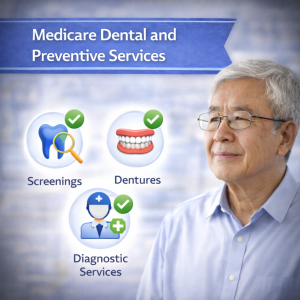
Cost Consideration and Savings Plan
Understanding the costs associated with dental care is crucial, especially for families seeking comprehensive coverage. Aetna’s savings plan is designed to provide financial relief while ensuring quality services.
This plan is part of the broader Aetna dental family package, aimed at minimizing out-of-pocket expenses through various plan benefits. By participating in this benefit plan, families can access a wide range of services at reduced costs, ensuring both preventive and major dental needs are met without financial strain.
The savings plan is crafted to balance essential health coverage with cost-effective dental care solutions.
How Aetna's Savings Plan Works
Aetna’s savings plan is designed to help families manage their dental care expenses efficiently. When you enroll in a plan, you pay a reasonable monthly fee, allowing you to enjoy discounted rates on a variety of dental services.
This feature is particularly beneficial for routine check-ups and preventive services, which can significantly lower long-term dental costs. The savings plan does not function as traditional insurance but complements it, offering discounts on out-of-network services as well.
It’s an advantageous option for those looking to minimize their dental expenses while maintaining comprehensive care.
One of the unique aspects of Aetna’s dental savings plan is its straightforward approach to coverage. You don’t have to worry about meeting a deductible before you start saving.
As soon as your plan is active, you can avail of discounts on services from any dentist within the Aetna network. This simplicity in operation makes it an attractive choice for families looking for immediate cost benefits.
When combined with Aetna health insurance, this creates a holistic coverage solution, streamlining your overall healthcare management. The plan’s flexibility means you can tailor your dental expenses according to your family’s needs.
For major dental procedures, the savings can be substantial. Services like crowns, dentures, or implants, which can typically be costly, are offered at reduced rates for those in the savings plan.
This allows families to budget for significant dental work without the anxiety of exorbitant bills. By reducing the financial burden of these procedures, Aetna helps families focus more on their health needs than on the costs of care.
Furthermore, this plan benefits seniors and families managing multiple dental requirements, providing a safety net that isn’t contingent on complex insurance terms.
It’s important to note that Aetna’s savings plan goes beyond just cost reductions. It facilitates access to quality dental care by maintaining a network of qualified dental professionals.
This can mean fewer surprises in terms of cost and more consistency in care quality. By participating in this network, you effectively gain all the perks of preferred rates and excellent care standards inherent within Aetna’s coverage philosophy.
Ensuring everyone in your family has access to necessary dental services while paying less aligns perfectly with Aetna’s mission of promoting comprehensive yet affordable oral health.
Benefits of Preventive Services
Preventive services in dental care offer invaluable health benefits and cost savings. By investing in regular check-ups and cleanings, you’re participating in a proactive approach to your family’s oral health.
Aetna’s insurance plans prioritize these services, reflecting their dedication to preventive care. This focus not only helps in maintaining oral health but also in reducing unexpected dental costs that might arise from untreated dental issues.
By being part of Aetna’s network, families can access comprehensive preventive services. We’ll explore the importance of these routine check-ups and their role in oral health maintenance.
Importance of Routine Dental Check-Ups
Routine dental check-ups are fundamental to maintaining oral health, acting as the first line of defense against dental problems. These check-ups, endorsed by Aetna in their coverage plans, offer numerous benefits that extend well beyond the obvious.
By regularly seeing your dentist, you can catch potential issues early, which prevents them from developing into more serious problems that require extensive treatment. This proactive approach aligns with Aetna’s preventive services, ensuring that families can enjoy peace of mind and long-term oral health sustainability.
Dental check-ups often include comprehensive cleanings, which are crucial for removing plaque and tartar that daily brushing might miss. Aetna dental insurance emphasizes the benefits of these preventive cleanings by covering them under most plans, helping to avoid common gum diseases that could escalate if unchecked.
Furthermore, during routine visits, dentists evaluate the overall health of your teeth and gums and provide essential insights into maintaining good oral hygiene. Aetna’s plans are structured to support these visits, offering coverage that alleviates financial concerns associated with regular dental care.
For families, embracing routine dental visits can significantly impact the oral health trajectory of all members. Aetna’s family plan supports extensive preventive services, catering to the needs of both children and adults.
Children benefit from early exposure to dental care routines, growing accustomed to maintaining oral hygiene. For seniors, routine check-ups can be critical in identifying age-related dental issues such as gum disease or tooth decay, allowing for timely interventions that can make a considerable difference in overall health.
Another advantage of regular dental visits, as outlined in Aetna’s coverage, is the educational component. Dentists often educate families about effective oral care practices, which can be pivotal in preventing common dental issues.
With Aetna’s network, families can choose from a wide pool of dentists, ensuring that these health insights are consistent and tailored to individual needs. This educational aspect empowers individuals with the knowledge to maintain dental health proactively, leading to fewer emergencies and more controlled dental expenses.
In conclusion, routine dental check-ups hold substantial importance in a comprehensive dental care strategy. Aetna’s emphasis on preventive services underscores its commitment to fostering better oral health outcomes.
By participating in regular check-ups, families can access these benefits, supported by Aetna’s coverage that minimizes financial burden and maximizes care quality. These efforts collectively ensure that your family’s dental health is safeguarded, paving the way for healthy smiles and confident living.
Consider exploring Aetna’s family plans today to take full advantage of these preventative measures, ensuring continued oral health maintenance.
Find & Compare Plans Online
Major Services and Coverage Limitations
When considering dental insurance, understanding the major services offered and the accompanying coverage limitations is essential. Aetna plans provide a wide array of services that cater to both routine and specialized dental needs.
However, every plan comes with specific limitations and network considerations, which can impact out-of-pocket costs and service availability. Understanding these elements ensures that you’re fully informed when choosing a plan.
Let’s delve further into the inclusion of crowns, dentures, and implants to provide a clearer picture of what Aetna’s dental plans encompass.
Understanding Crowns, Dentures, and Implants
Crowns, dentures, and implants are significant dental services that many families may require at some point. Aetna dental insurance covers these services, but it’s crucial to understand the plan’s details to know exactly what you’re getting.
Crowns are used to restore the structure and appearance of damaged teeth, dentures serve as replacements for missing teeth, and implants provide a permanent solution for tooth loss.
While crowns and dentures are more commonly needed, implants are highly specialized and might come with more intricate coverage terms. Knowing what each service covers can help you make informed decisions.
A key point to note is that while Aetna provides coverage for these services, they may come with certain limitations. For instance, crowns might be covered based on the material used or the tooth’s location in the mouth.
Dentures often require prior authorization, and the costs can vary significantly depending on whether you’re looking at partial or full dentures. It’s also important to recognize that dental implants, while immensely beneficial for restoring oral function and aesthetics, might only be partially covered under some plans due to their higher costs.
This is why understanding every aspect of your plan’s coverage is crucial.
An additional consideration is the network of providers available within your Aetna plan. Accessing in-network providers can result in significant cost savings for major dental work like crowns, dentures, and implants.
The network’s role is pivotal because it directly affects the expenses incurred for dental services. Utilizing in-network services often provides negotiated rates that significantly reduce out-of-pocket costs compared to out-of-network treatment.
Hence, it’s advisable to consult Aetna’s network directory or seek advice from a dental insurance educator to navigate these network considerations.
These procedures are vital for maintaining oral functionality and aesthetics, but they often come with waiting periods or additional out-of-pocket costs. For instance, some plans might impose a waiting period for new members before they can access benefits for dentures or implants.
Being aware of these stipulations can ensure better financial preparation and help avoid unexpected expenses. Overall, Aetna’s dental plans aim to offer comprehensive coverage while aligning with top-quality services available within its network.
Thus, reviewing the specifics of your plan and consulting with dental professionals can enhance the decision-making process, ensuring that you choose the most suitable plan for your family’s needs.
In conclusion, while Aetna offers a well-rounded approach to dental care with plans covering major services like crowns, dentures, and implants, understanding the nuances of your specific plan is essential. This understanding allows you to maximize your benefits and make informed choices about your family’s dental health needs.
As you consider your options, remember that network considerations, coverage limitations, and potential waiting periods are all vital aspects to factor into your decision-making.
Consider exploring Aetna’s comprehensive dental network by entering your ZIP code below to find local providers and specific plan offerings, ensuring seamless access to the dental care you need.
Tips for Choosing the Right Aetna Plan
When it comes to selecting an Aetna dental plan for your family, knowing the right tips can make all the difference. With a variety of plans offering unique benefits, savings opportunities, and extensive networks, it’s key to identify the factors most important to you.
Making an informed choice involves assessing factors like insurance coverage, included services, and network accessibility. By understanding these elements, you can select a plan that improves oral health and aligns with your family’s budget and care needs.
Exploring these tips will empower you to make confident insurance decisions.
Factors to Consider for Your Family
Choosing the right Aetna dental plan for your family starts with understanding the various factors that influence this decision. First and foremost, consider the specific coverage needs of your family members.
Each family may have distinct dental care priorities, such as preventive services for young children or more involved procedures like dentures or crowns for adults. Aetna’s family plans typically cover a wide array of dental services, providing comprehensive options that cater to diverse health requirements.
By reviewing these services in detail, you can ensure all family members receive the necessary care.
Another key factor to weigh is the savings potential offered by different plans. Aetna’s network includes a range of dental professionals who provide services at reduced rates.
This network accessibility can result in substantial savings on out-of-pocket costs, enhancing the affordability of dental care. It’s important to understand how these savings plans work in tandem with traditional insurance coverage, helping to lower everyday dental expenses while delivering desired health benefits.
Additionally, be mindful of any annual maximums or deductibles that might affect your choice. Balancing the cost against expected benefits helps maximize your investment in a dental plan.
It’s also vital to consider the flexibility a plan offers, particularly concerning the geographic location of network services. Aetna covers a broad network across various regions, but dental plan features and provider lists can vary significantly by location.
Ensuring the plan accommodates local providers means more convenient access to quality services. Before selecting a plan, verify that your preferred or nearest dental care providers participate in the Aetna network.
Access to in-network dentists can lead to lower costs and ensure you’re receiving care as per the plan’s benefits.
Lastly, assess the customer service and support provided by Aetna. Efficient service can significantly enhance your overall experience with the dental plan, providing peace of mind and smooth administrative processes.
Aetna is known for comprehensive support, guiding members through benefits and claim submissions. This level of service can help clarify any uncertainties around coverage and plan utilities, ensuring you and your family are well-informed and confident in your dental insurance choices.
By evaluating these factors thoughtfully, you can choose an Aetna plan that optimizes your family’s oral health while remaining financially viable.

Variations in Aetna Plans by Location
Understanding the geographical variations in Aetna dental insurance plans is crucial for families seeking comprehensive coverage that meets their specific needs. These variations can significantly impact the range of services available, coverage options, and network accessibility.
Assessing how location affects your dental plan ensures you’re maximizing benefits while minimizing out-of-pocket costs. Aetna’s commitment to flexibility means their offerings can differ based on the state or region, making it vital to analyze these geographic differences carefully to ensure effective coverage for your family.
How Geographic Differences Affect Coverage
Geographic differences can play a significant role in the variations seen in Aetna’s dental plans, impacting everything from the network of available providers to the specific services covered. Aetna offers plans tailored to meet regional demands, meaning what is available in one state may differ from the options in another.
This can affect coverage limits, premium costs, and even the extent of services included. For families moving between states or those living near state borders, understanding these variations helps in selecting a plan that provides comprehensive benefits tailored to local needs.
Location plays an important role in defining the network of insurance providers. Some regions might have a denser network of dental professionals participating in Aetna’s plans, offering more choices and potential for competitive pricing on dental services.
Conversely, if your family resides in an area with fewer networks, it might result in higher costs or limited access to certain dental services.
This regional disparity highlights the need for potential clients to verify the presence of in-network providers in their area and ensures they can enjoy negotiated rates that reduce out-of-pocket expenses.
Moreover, state-specific regulations can influence Aetna’s dental insurance plans. Some regions might mandate specific coverages or benefit limitations that don’t exist nationally.
For instance, certain preventive services or children’s dental health provisions might be more comprehensive in states with specific health and dental mandates.
These regulatory differences mean that while the core of Aetna’s offerings remains consistent, the edge cases shaped by local laws can affect coverage specifications, making it crucial to review these details when assessing a plan’s suitability for your family.
It’s also important to consider how geographic variations affect the cost of dental services covered by Aetna. The cost of dental procedures can differ significantly depending on local economic factors and the general cost of living in a particular area.
Therefore, the out-of-pocket costs related to deductibles, copayments, and premiums may vary, influencing a family’s choice of plan based on affordability and coverage needs. Being aware of these differences better equips families to budget effectively and ensures that they are not caught off guard by unexpected expenses or service limitations.
Keeping these variations in mind, it’s advisable to consult with Aetna directly or utilize their online resources to explore specific plan offerings in your location. This proactive approach allows for a precise understanding of the benefits and limitations applicable to the geographic area.
By addressing these local distinctions, families can effectively leverage the opportunities presented by Aetna’s insurance options, optimizing both healthcare access and financial savings. Consider entering your ZIP code to view available plans tailored to your region, ensuring you make informed decisions about your family’s dental needs.
Waiting Periods and Enrollment
Waiting periods and enrollment are crucial aspects when considering any dental insurance, including Aetna’s family plans. Understanding these elements can help families plan effectively for their dental care needs.
With Aetna, knowing what to expect during the enrollment process and the waiting periods for different services is essential for maximizing your plan benefits. We’ll explore how Aetna manages these aspects to support your health coverage and ensure you’re well-informed about the network and services available through your family plan.
Knowing What to Expect with Aetna
When you’re looking to enroll in a dental insurance plan, understanding the process and what to expect can make all the difference. With Aetna, the enrollment period is designed to align with your health coverage needs, providing a smooth entry into their diverse network of services.
Typically, offers an open enrollment period each year, although there may be special enrollment occasions under certain qualifying life events. Knowing how this process works ensures that you and your family don’t miss crucial opportunities to secure essential insurance services.
It’s the first step toward integrating your health and dental care under a plan that supports comprehensive family coverage.
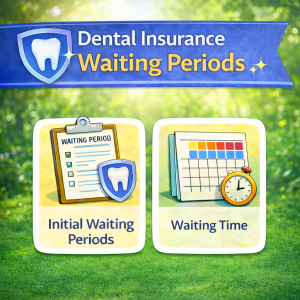
Waiting periods are also an important consideration with any Aetna plan. These periods refer to the time you must wait after enrolling before certain benefits become available.
For instance, while preventive services like cleanings and check-ups are often immediately accessible, more complex procedures such as crowns or dentures might have a specified waiting period. Understanding these periods is crucial, especially if you’re planning for significant dental work in the near future.
By knowing these details, you can effectively coordinate care while taking full advantage of your insurance benefits over time.
Additionally, being informed about the network choices within Aetna’s family plans is beneficial. A well-structured network supports your health by providing access to a wide array of qualified dental professionals.
When enrolling, familiarize yourself with the extent of the network, which can vary based on location, to leverage the best savings. In-network providers are pivotal as they offer services at reduced rates negotiated by Aetna, aligning with the insurance plan’s goal of making dental care affordable while maintaining high standards of service.
Another critical element involves recognizing the specific benefits included with your chosen plan. Aetna’s dental coverage is extensive, yet it is critical to understand each plan’s unique features to use them effectively.
From preventive services to surgical treatments, each benefit is designed to address varied health needs, but knowing these specifics helps in mapping out your family’s dental health journey. Enrollment in an Aetna plan is your gateway to these benefits, and having clarity from the outset aids in optimizing the overall value and utility of your insurance coverage.
Knowing what to expect from Aetna’s enrollment procedures and waiting periods means you’re proactively managing your family’s dental health. This preparation ensures that when the time comes for both everyday care and more involved treatments, you’re ready with a comprehensive plan.
To explore your options further, consider entering your ZIP code on our site to find out more about Aetna’s offerings in your area, which vary by location and provider, to tailor a plan that suits your family’s needs effectively.
Summary and Next Steps
When navigating dental insurance, it’s essential to comprehend your family’s needs and the options available. Aetna dental plans offer a comprehensive solution, covering a wide range of services across their expansive network.
Understanding your specific plan benefits, waiting periods, and network access can ensure you make informed decisions. To secure these benefits and optimize your family’s dental care, your next step should be to explore Aetna’s plans available in your location.
By entering your ZIP code, you can discover local options tailored to suit your family’s unique health requirements and budget.
Exploring Aetna Dental Options in Your Area
To truly benefit from Aetna’s dental coverage, it’s vital to explore the options available in your area. Geographic location plays a significant role in determining the specific services, network providers, and benefits included in each plan.
By understanding regional variations, you can tailor your choices to maximize coverage while minimizing costs. Aetna offers a broad spectrum of plans designed to cater to both family and individual needs, and exploring these options ensures you have the best information to make a suitable choice for your loved ones’ health.
Aetna’s network of providers is extensive but varies by location, impacting the accessibility and pricing of services. In urban areas, you may find a broader network with more participating dentists, which typically leads to greater competition and potentially lower costs for dental care.
Conversely, rural areas might offer fewer options, which could affect availability. Knowing which providers are available locally ensures you can take full advantage of in-network services, leading to substantial savings and minimized out-of-pocket expenses.
Understanding local regulations and health mandates can further influence your choice. Some states may offer specific dental requirements not available elsewhere, affecting plan benefits and coverage options.
For instance, certain preventive services or children’s dental provisions might be mandated, providing additional benefits beyond standard coverage. Delving into these geographic differences can highlight unique plan advantages available in your area.
To begin exploring, consider using Aetna’s online resources or contacting their customer service. They can provide comprehensive details on the plans available to you.
Entering your ZIP code into their system can reveal tailored plans that account for local factors, from dentist availability to specific state laws impacting coverage. This proactive approach ensures you are making informed decisions that align with both your family’s health needs and financial considerations.
Ultimately, exploring Aetna dental options in your area is about more than just choosing a plan; it’s about optimizing healthcare delivery for your family. By understanding how location influences your coverage, you stand to benefit from Aetna’s structured networks and comprehensive benefits fully.
Start by entering your ZIP code today to view local Aetna plans, and find one that matches your family’s dental health needs efficiently without unnecessary financial burdens.
Dental insurance options like Aetna’s plans can help families maintain their oral health while managing costs effectively. Understanding the benefits, coverage details, and comparing different plans is essential.
Aetna offers a variety of options tailored for diverse needs, making it easier to find a plan that suits your family’s dental care requirements. Enter your ZIP code on our website to discover personalized dental insurance options available in your area.
Remember, dental coverage can vary by location, so taking the step to explore your specific options can lead to better-informed decisions and improved oral health for the entire family.
Compare Dental Plans
Frequently Asked Questions
What dental services are typically covered under Aetna family plans?
Aetna family plans usually cover a range of services, including preventive care like cleanings and exams, basic procedures such as fillings and extractions, and major services like crowns and dentures. Coverage may vary based on the specific plan and location, so it’s important to review plan details.
How does Aetna's dental provider network work, and why is it important?
Aetna’s dental plans operate within a network of participating providers who agree to offer services at negotiated rates. Using in-network dentists can lead to cost savings and reduced out-of-pocket expenses, making it important to choose a plan that includes your preferred providers.
What should I know about waiting periods in Aetna dental plans?
Waiting periods refer to the time you must wait after enrolling before certain services become covered. While preventive care often has no waiting period, more complex procedures like crowns or dentures might have waiting periods. Understanding these can help you plan your family’s dental care effectively.
How can geographic variations affect my Aetna dental plan?
Geographic variations can influence the availability of services, coverage options, and network accessibility. Plans may differ based on state regulations and local provider networks, which can impact costs and the range of services covered. Checking the specific plans available in your area can help address these differences.
How do Aetna's savings plans work alongside traditional dental insurance?
Aetna’s savings plans complement traditional dental insurance by offering discounts on a variety of services. These plans typically involve paying a monthly fee to benefit from lower rates on dental care, helping manage costs for both routine check-ups and more extensive procedures.
Find & Compare Plans Online
ZRN Health & Financial Services, LLC, a Texas limited liability company

Russell Noga is a Dental Insurance Educator who writes informational content focused on helping consumers understand dental insurance coverage, benefits, and common plan features. His work emphasizes clear explanations of preventive care, basic and major services, waiting periods, provider networks, and plan limitations. Content is reviewed periodically to ensure clarity and accuracy and is based on publicly available sources. Information may change over time as plan details, availability, and coverage options are updated.