Tips for Comparing Dental Plans for Seniors

Understanding dental insurance can be tricky, but it’s an important factor in maintaining oral health, especially for seniors. Dental coverage helps reduce out-of-pocket costs for routine visits, cleanings, and procedures such as crowns and dentures.

This webpage provides an easy-to-follow guide to dental insurance options, covering plan types, benefits, and considerations. Our goal is to help individuals aged 55-85 navigate their choices confidently, understand costs, and make informed decisions.

Remember, dental insurance specifics can vary based on your location and provider, so knowledge is key to finding the right coverage for your needs.

Key Highlights

  • Dental insurance reduces out-of-pocket costs for seniors, covering routine visits, cleanings, crowns, and dentures.
  • Understanding coverage types, preventive, basic, and major, helps seniors choose the best dental insurance plan for their needs.
  • Comparing dental plans involves evaluating premium costs, coverage limits, and the network of providers available.
  • Medicare doesn’t usually cover dental; seniors often need additional plans, like Medicare Advantage, for comprehensive dental benefits.
  • Cost-effective options include dental savings plans, Medicaid, and local health programs offering discounted or free dental services.

Frequently Asked Questions

Understanding Dental Insurance for Seniors

Navigating dental insurance can seem daunting for seniors, but understanding the basics can help make the process smoother. Dental insurance is designed to reduce the cost of oral health care, which is crucial for maintaining good health, particularly as we age.

It’s important to comprehend how different plans work, what they cover, and how benefits align with personal dental history and anticipated needs. With the right information, seniors can make informed choices about their dental coverage without feeling overwhelmed.

Let’s explore the intricacies of dental insurance, focusing on how it works and the typical benefits it offers.

How Dental Insurance Works for Seniors

Dental insurance plans for seniors often function with a preventive services-first approach. This means that most plans cover preventive care such as cleanings and exams.

Timely preventive services help detect issues early, saving older adults from potentially higher dental costs associated with major care later on. A key point in understanding how dental insurance works for seniors is recognizing the importance of coverage limits.

This term refers to the maximum amount an insurance company will pay for dental benefits in a year. These coverage limits can vary significantly, so it’s important to review and understand them before making a decision.

Seniors should also be aware of how their dental history might influence their anticipated needs. For instance, if they’ve had extensive dental work in the past, they might need a plan offering substantial coverage for fillings, crowns, or dentures.

The existence of waiting periods is another critical factor to consider. Many dental insurance plans require a waiting period before covering major care services like root canals or implants.

This waiting period could be several months, depending on the plan and the provider.
Insurance companies offer a range of plans with different benefits, costs, and restrictions.

Seniors need a plan that aligns well with both their current oral health needs and their potential future issues. Some plans might have higher premiums but offer better coverage for major care, while others might focus on preventive services with lower premiums but higher out-of-pocket costs for procedures.

Seniors should compare them based on these factors, along with any additional services that might be particularly beneficial to them. Therefore, understanding how dental insurance works involves assessing one’s unique situation and aligning it with an appropriate plan.

Common Coverage and Benefits Explained

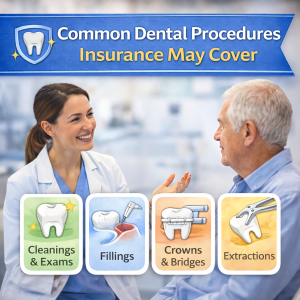
Dental insurance plans generally cover a spectrum of services, which can be divided into categories based on their primary purpose: preventive, basic, and major care. For seniors, preventive care is crucial.

This includes routine cleanings, check-ups, and X-rays that help maintain oral hygiene and allow for early detection of potential problems. These preventive services are typically covered at 100%, encouraging regular use which reduces the likelihood of more serious issues developing later on.

Basic care typically includes procedures like fillings for cavities and emergency care for minor dental issues. Coverage for basic services often involves a cost-sharing model, where the insurance pays a percentage, and the rest is covered by the insured.

It’s essential for seniors to understand this model as it can influence their choice of coverage maximum they are willing to accommodate, especially with anticipated needs involving their dental history.

Services that fall under major care include more extensive procedures, such as crowns, bridges, dentures, and sometimes even orthodontics. These are usually covered at a lower percentage than preventive or basic care, reflecting their higher cost.

Knowing what benefits are available and any restrictions on them is crucial for seniors in avoiding unexpected expenses. Insurance companies often set a higher waiting period for these major procedures, meaning the insured may need to pay out of pocket if immediate dental work is needed.

Understanding these common coverage options helps seniors weigh the potential benefits and drawbacks of a plan. Considering factors like the cost of premiums versus out-of-pocket expenses, coverage limits, and waiting periods can clarify the true value of a dental insurance plan.

With this knowledge, seniors can more confidently choose a plan that best fits their needs, ensuring peace of mind and better oral health as they age. It’s all about finding a balance that fits their lifestyle and budget while providing the necessary dental benefits.

Understanding Dental Insurance for Seniors

Comparing Dental Plans for Seniors

Comparing dental insurance plans can be a key step in securing oral health care for seniors as they age. With various companies offering different plans, understanding what to look for can simplify decision-making.

This overview will guide you through crucial factors to consider and highlight the differences among insurance companies. By evaluating aspects such as monthly premium costs, coverage limits, and anticipated needs, seniors can ensure that their chosen plan provides the best balance between cost and coverage for their personal circumstances.

Let’s delve into these considerations to make informed, confident choices.


Plan NameMonthly PremiumAnnual Maximum CoverageIncluded ServicesNetwork Availability
Senior Smile Care$30$1,500Preventive, BasicNationwide
Golden Age Dentistry$45$2,000Preventive, Basic, MajorRegional
Silver Seniors Plan$25$1,000PreventiveLimited Cities
Wise Dental Advantage$50$2,500Preventive, Basic, Major, OrthodonticsNationwide


The summary table is designed to provide a clear and concise comparison of different dental plans available for seniors, highlighting key factors such as cost, coverage limits, available services, and geographic availability of each plan’s network.

This format allows for an easy evaluation of the range of options offered by different companies, illustrating how these plans accommodate varying needs and priorities for dental care as they evolve within the marketplace.

Factors to Consider When Comparing Dental Plans

When comparing dental plans, several factors stand out as important for seniors to evaluate. First, consider the monthly premium costs, as these can vary widely based on the level of coverage.

Plans with lower premiums might seem attractive, but they often come with higher out-of-pocket costs and lower coverage limits. It’s crucial to assess whether these costs align with your budget and anticipated dental needs, considering both routine preventive services and potential major care requirements like crowns or dentures.

Another key factor is the network of in-network providers. This network affects not only the convenience of receiving services but also the cost.

Plans that have a wider network might offer more flexibility, allowing seniors to choose from a broader range of dentists. However, out-of-network services typically cost more, so staying within the plan’s network can maximize savings.

Coverage maximum is another vital aspect. This refers to the cap on how much the insurance will pay each year. Seniors need to ensure that the annual maximum aligns with their anticipated needs, especially if they expect to require significant dental work.

Similarly, examining the coverage breakdown for different services, preventive, basic, and major, is crucial to avoid surprises when making claims.

Waiting periods can also impact decision-making. Many dental insurance plans impose waiting periods for major care services, which means those who might need immediate attention could face delays in receiving the best possible coverage.

Weighing these factors and understanding how they interact with your health history and future needs are essential for making a well-informed choice. By looking deeper than just the premium and focusing on these elements, seniors can find a plan that truly meets their needs.

Key Differences Between Insurance Companies

Different dental insurance companies offer varied benefits, pricing structures, and service networks, making it crucial to compare them based on your unique needs. Companies often have distinct approaches to structuring their dental plans, so it’s worthwhile to explore these differences to pinpoint the best fit.

While some companies might prioritize preventative care with lower premiums, others might offer better coverage for major services, often reflecting in higher monthly costs.

Insurance companies differ significantly in how they handle waiting periods. Some may enforce longer waiting periods for major care services, while others might provide coverage more quickly.

This distinction is crucial for retirees who may need immediate dental work. Understanding how these waiting periods align with your needs can prevent unexpected expenses and ensure timely access to necessary treatments.

Companies also vary in the services they cover and the extent of their networks. For example, the range of covered services, such as orthodontics or periodontal treatments, can differ, influencing the overall value of the plan.

A company offering an extensive network of providers may offer more flexibility in choosing where to receive care, potentially leading to savings on out-of-pocket costs.

Discount programs are another area where companies may differ, offering savings on services not typically covered under regular plans, such as cosmetic procedures. Seniors should scrutinize these aspects to see how they align with personal dental care goals, facilitating more affordable and comprehensive coverage.

Ultimately, comparing these key differences requires a detailed understanding of how each company structures its plans. By assessing the nuances of coverage, costs, and service options, seniors can feel more confident in their choice of dental insurance, ensuring it meets their needs now and in the future.

With informed decision-making, selecting a suitable plan becomes a reassuring step towards safeguarding one’s oral health.

Find & Compare Plans Online

Speak with a licensed insurance agent

1-855-425-2095TTY 711

Mon-Fri: 8am-9pm ET

The Role of Medicare in Dental Coverage

Understanding how Medicare interacts with dental care can be pivotal for seniors looking to manage their dental expenses effectively. While Medicare provides extensive health insurance coverage, its role in dental insurance is limited.

This often leaves seniors needing additional dental plans to cover services not included in their standard Medicare coverage. Exploring Medicare Advantage plans as an alternative can offer expanded benefits, sometimes including dental care.

We’ll delve into how Medicare interacts with dental insurance and the specific dental services covered under different Medicare options, helping seniors broaden their understanding of available resources.

How Medicare Interacts with Dental Insurance

Medicare, while a vital healthcare resource for many seniors, traditionally offers limited direct coverage for dental care. Original Medicare (Part A and Part B) typically doesn’t include routine dental services like cleanings, fillings, or tooth extractions.

However, in some cases, emergency dental care that’s necessary during a hospital admission might be covered under Medicare Part A. This coverage aspect often leaves many seniors in search of alternative solutions to cater to their regular dental needs, making the role of dental insurance particularly significant.

For instance, services often deemed as preventive care, like routine checkups and cleanings, require a different approach, primarily relying on private dental insurance plans. Seniors seeking comprehensive dental coverage frequently consider Medicare Advantage plans.

These are offered by private insurance companies and can provide coverage for services that Original Medicare doesn’t, including dental, vision, and hearing. Choosing a Medicare Advantage plan can sometimes remove barriers associated with network limitations since these plans often offer extensive lists of in-network providers, enhancing accessibility and reducing out-of-pocket expenses.

It’s crucial for seniors to compare different Medicare Advantage plans, as each varies in terms of dental coverage, costs, and waiting periods. Some plans may have networks that include a wide range of dental services, while others might impose higher out-of-pocket costs for the same services.

Therefore, understanding these variances is essential for selecting a plan that aligns well with individual dental care needs and financial expectations. While Medicare’s standard coverage is limited, the integration of Medicare Advantage can transform dental care accessibility by offering various beneficial services.

This integration helps seniors fill in the gaps that Original Medicare leaves, ensuring they receive the necessary dental care to maintain their health and enjoy a better quality of life during their retirement.

Dental Services Covered by Medicare

When it comes to dental services, Medicare’s coverage is quite specific and limited. Typically, routine dental care, which includes regular cleanings and checkups, is not covered under Original Medicare.

However, certain situations where dental services are integral to other medical procedures might see some form of coverage. For example, if a dental exam is required before a heart valve replacement surgery, Medicare might cover this due to its necessity for the overall health procedure.

This nuanced coverage indicates that many traditional dental needs fall outside of Medicare’s umbrella, highlighting the importance of supplementary dental insurance for older adults. For seniors, who are often on a fixed income in retirement, the cost of dental care can become a burden without proper coverage.

Herein lies the appeal of Medicare Advantage plans. These plans can offer additional benefits, including dental coverage, beyond what Original Medicare covers.

Services typically included under Medicare Advantage plans can range from preventive care, such as cleanings and fluoride treatments, to more comprehensive options like fillings, crowns, dentures, and sometimes even root canals. Each Medicare Advantage plan is unique, with varying networks and coverage maximums, making it important for seniors to thoroughly explore their options.

Coverage maximums dictate how much the plan will pay in a given year, impacting how much a senior might spend out-of-pocket. It’s also important to recognize any waiting periods these plans might require before certain dental services are covered.

Understanding the full scope of dental services under Medicare requires analyzing each component available within Medicare Advantage offerings. These plans are provided by various insurance companies, meaning network size and service availability can differ drastically.

By exploring these options, seniors can better navigate their choices, aligning their selection with their anticipated future dental requirements and financial constraints.

The Role of Medicare in Dental Coverage

Affordable Dental Care for Seniors

Navigating the world of dental care can be intimidating, especially for seniors trying to manage their costs while maintaining oral health. Affordable dental care is crucial in ensuring seniors can enjoy comprehensive dental services without breaking the bank.

Finding such opportunities often involves exploring a range of cost-effective options designed to meet diverse needs. From preventive services to comprehensive coverage, understanding the variety of plans and their savings potential is key.

In this section, we’ll delve into exploring these options to help seniors make informed decisions about their dental care needs.

Exploring Cost-Effective Dental Care Options

Exploring affordable dental care options can dramatically impact a senior’s financial and oral health well-being. One common avenue is leveraging dental savings and discount plans.

Unlike traditional insurance, these plans provide seniors with the chance to save on procedures by accessing network dentists who offer services at reduced rates. Such plans often have lower monthly premium costs, making them an attractive choice for retirees on fixed incomes.

They may not cover everything, but the savings on preventive and routine dental services can add up over time, particularly for those needing regular care or with anticipated needs based on their dental history.

Preventive dental care plays a crucial role in maintaining health and managing costs. Insurances like Guardian and Humana often provide coverage for preventive services such as cleanings and check-ups, possibly at no extra cost.

With preventive services covered, issues can be detected early, potentially avoiding more costly treatments down the road. It aligns financially with coverage maximum options and caters to seniors keen on avoiding surprise bills from major dental work like fillings or crowns.

Some seniors might also consider enrolling in Medicaid or exploring local public health programs that offer discounted or free dental services. These programs often focus on basic and preventive services, and while not available everywhere, they provide substantial savings to those who qualify.

Moreover, some nonprofit organizations run dental clinics specifically for seniors, offering services at a sliding scale based on income. This ensures that even the major services become accessible, easing the financial strain of more intensive treatments.

Furthermore, choosing a plan that provides a robust network of in-network dentists can lead to more streamlined access to care and greater savings. Such networks often mean lower out-of-pocket expenses compared to out-of-network services.

With Humana or other popular providers, seniors can benefit from expansive networks providing a variety of services, from preventive to major care, aligning with individual health needs and budgets.

Ultimately, exploring these cost-effective dental care options requires understanding personal needs and the nuances of each plan. Whether it’s through savings plans, preventive services coverage, or leveraging networks like those offered by Humana, seniors can find solutions tailored to their needs.

By comparing the benefits, premiums, and savings opportunities, seniors can approach their dental care with confidence and clarity, knowing they’re preserving not just their teeth but their financial peace of mind, too.

Affordable Dental Care for Seniors

Ways to Learn More and Make Informed Decisions

Making informed decisions about dental insurance requires access to reliable resources and a good understanding of your options. For seniors, gaining this confidence means knowing where to find valuable information and how to evaluate it effectively.

This section will explore various resources that can aid in understanding dental insurance, discussing its plans, waiting periods, and network differences. By equipping themselves with knowledge, seniors can make better decisions that align with their unique needs.

Resources to Help Seniors Make Confident Choices

When it comes to choosing the right dental insurance plan, seniors have multiple resources at their disposal to learn more about their options. Understanding dental insurance thoroughly is essential for making informed decisions, and the right resources can provide that clarity.

First, the Internet hosts numerous comprehensive websites dedicated to educating consumers about dental insurance, like DentalInsuranceForSenior.org. These platforms offer detailed comparisons of dental plans, which can significantly ease the process of evaluating coverage benefits, costs, and provider networks.

By tapping into these resources, seniors gain insights into the various dental plans and how different insurance companies operate.

Additionally, seniors can engage with community resources that are often rich with seniors-focused educational content. Many communities offer workshops or seminars on aging topics, including navigating dental insurance and other healthcare options.

Participating in these sessions not only boosts one’s confidence but also provides a personal touchpoint for asking questions and sharing experiences. In these settings, seniors often have the opportunity to learn more about local providers and any specific network options available to them, offering deeper insights than what might be available online.

Another valuable resource is consulting insurance agents or brokers who specialize in senior services. These professionals can offer tailored advice apart from what insurance companies provide.

They often present an unbiased perspective when comparing dental plans, ensuring that the recommendations fit the senior’s personal and financial situation. It’s essential, however, to ensure these agents work without biased commissions that might influence their advice.

Utilizing their expertise can help in understanding the fine print regarding waiting periods, network differences, and coverage limitations.

Lastly, for those who prefer a more hands-on approach, directly contacting insurance companies and scheduling meetings with dental care providers can help clarify what different plans cover. Direct engagement allows seniors to gather firsthand information on plan specifics, provider networks, waiting periods, and more.

This kind of proactive engagement aligns well with ensuring you’re making informed decisions based on the most accurate and current data available. Access to these varied resources empowers seniors to make confident choices, leading to better managed dental health and financial savings.

Continuing from the discussion on resources for seniors, here are specific steps seniors can take to make informed dental insurance decisions:

  • Review detailed online comparisons of dental plans for insights into costs and coverage options.
  • Attend local workshops on aging topics to enhance understanding of dental insurance.
  • Connect with unbiased insurance agents for personalized advice on dental plans.
  • Engage directly with insurance companies and providers for up-to-date coverage information.
  • Utilize community resources that offer educational content tailored for seniors’ healthcare options.
  • Seek out user reviews and testimonials about different insurance plans to gather personal insights.
  • Regularly update knowledge with new resources as dental insurance policies evolve.


By integrating these steps, seniors can confidently navigate the complexities of dental insurance, ensuring well-informed decisions.

We hope this information about dental insurance has been helpful. Remember, it’s important to consider your unique needs and budget when exploring coverage options.

Dental insurance can offer peace of mind by covering part of your dental care costs. To find plans in your area, enter your ZIP code on our website.

This will help you explore different coverage, costs, and waiting periods available locally. Feel confident in taking the next step towards securing dental health coverage that suits your situation. Thank you for visiting Dentalinsuranceforsenior.org.

Frequently Asked Questions

Frequently Asked Questions

What types of dental insurance coverage should seniors consider?

  • Seniors should recognize the distinctions between preventive, basic, and major care coverage.
  • Preventive coverage often includes routine checkups, cleanings, and X-rays.
  • Basic care might handle fillings and emergency dental repairs, while major care covers crowns and dentures.
  • Understanding these categories helps align the coverage to your needs.

Why is it important to understand waiting periods in dental insurance?

  • Waiting periods are crucial as they determine how long you must wait before your insurance covers certain procedures.
  • Major services like root canals and orthodontics often have longer waiting periods.
  • Knowing these timescales can prevent surprises and help in planning your dental care effectively.

How do Medicare and dental insurance work together for seniors?

Traditional Medicare typically doesn’t cover routine dental services. Many seniors look to Medicare Advantage plans for additional benefits, including dental, vision, and hearing care.

Investigating these plans can provide broader coverage than Original Medicare alone.

What are some cost-effective options for senior dental care?

Aside from traditional dental insurance, seniors can explore:

  • Dental savings plans for immediate discounts on services.
  • Medicaid for qualifying individuals, offering essential dental services.
  • Local health programs which may offer reduced or no-cost services.

How can seniors confidently choose the right dental insurance plan?

  • Assessing individual dental history, anticipated needs, and financial constraints can guide you.
  • Comparing coverage limits, network dentists, and the balance between premiums and out-of-pocket costs will offer a clearer view.
  • Online resources, insurance agents, and community seminars can provide tailored insights to suit personal situations.

Have Questions?

Speak with a licensed insurance agent

1-855-425-2095

TTY users 711

Mon-Fri: 8am-9pm ET

Find & Compare Plans Online

Speak with a licensed insurance agent

1-855-425-2095TTY 711

Mon-Fri: 8am-9pm ET

ZRN Health & Financial Services, LLC, a Texas limited liability company