How To Enroll in Dental Plans After 65

Understanding dental insurance can be challenging, but it doesn’t have to be. Our website aims to simplify dental plans for seniors aged 55 to 85.

We offer clear, unbiased information to help you understand coverage types, benefits, and costs. Explore how different plans handle services like cleanings, fillings, and dentures.

Learn about potential limitations and variations based on your location. Empower yourself with the knowledge to find a plan that aligns with your needs and budget, helping you make informed decisions about your dental care.

Enter your ZIP code to explore options in your area.

Key Highlights

  • Seniors aged 55-85 need simple, unbiased dental insurance info on coverage, costs, and types.
  • Key insurance services include preventive, basic, and, sometimes, major dental care.
  • Understand premiums, deductibles, and co-pays to manage dental insurance costs effectively.
  • Medicare Advantage might offer dental benefits, supplementing routine Medicare coverage gaps.
  • Exploring dental plans by ZIP code helps tailor coverage to local options and individual needs.

Compare Dental Plans

Understanding Dental Insurance for Seniors

Navigating dental insurance can seem challenging, especially for seniors. Understanding its core components is crucial to making informed choices about your dental healthcare.

It’s essential to know what your dental insurance policies cover, how they work, and the role of these policies in your overall health plan. From basic coverage to more specific plans, seniors have distinct needs that various dental insurance policies address.

With clarity on these aspects, seniors can confidently select insurance options tailored to their dental health requirements.


Key FeatureDescriptionCovered ServicesFinancial Considerations
Plan Types 

·       PPO, HMO options

·       Varied network selections


·       Cleanings

·       X-rays

·       Preventive exams


·       Monthly premiums

·       Annual deductibles

·       Co-payment requirements

Eligibility 

·       Age criteria

·       Residency requirements


·       Basic procedures

·       Emergency care


·       Age-based discounts

·       Network-specific rates

Coverage Levels 

·       Basic, comprehensive options

·       Network and out-of-network differences


·       Fillings

·       Root canals

·       Major surgeries


·       Annual coverage maximums

·       Balance billing

Enrollment Process 

·       Application timelines

·       Provider directories


·       Specialist visits

·       Orthodontics (limited)


·       Payment options

·       Potential penalties for late enrollment


This table highlights key considerations for seniors evaluating dental insurance options tailored to their healthcare and financial needs.

Basic Features of Dental Insurance

Dental insurance for seniors typically includes several fundamental aspects designed to cover a variety of dental needs. At its core, a dental insurance policy offers coverage for preventive services, like regular check-ups and cleanings, which are essential for maintaining oral health.

These routine visits help in detecting potential dental issues early, thus mitigating severe dental problems that could affect overall health. Understanding the coverage options also means recognizing the importance of preventive healthcare, which is a primary feature of any dental insurance plan for seniors.

In addition to preventive care, dental insurance also frequently covers basic services such as fillings and extractions. This coverage can vary significantly between policies, so it’s vital to evaluate what specific services your plan covers.

Some policies might include more comprehensive dental care, like root canals or advanced procedures, under their protective umbrella. However, seniors should note that coverage typically extends only to a defined range of services, necessitating a thorough review of any insurance plan.

Another key feature includes the financial aspects of dental insurance coverage. Each policy comes with its own set of financial elements like premiums, deductibles, and co-payments, which influence the actual cost of dental care services.

Seniors should factor in these financial aspects when assessing which insurance plan best fits their needs, as budget management plays a crucial role in selecting a suitable plan. Knowing how these financial components work together helps seniors manage their dental expenses more effectively, enhancing their overall healthcare experience.

Understanding Dental Insurance for Seniors

What Services Are Covered by Dental Insurance?

Diving into dental insurance coverage, understanding what services are included is vital. Each policy can vary widely, affecting how dental care is accessed.

Typically, dental insurance can cover preventive, basic, and major services. Knowing these distinctions helps in planning and managing dental care expenses better.

However, not all services are covered, and some treatments might require out-of-pocket payment. By understanding inclusions and exclusions, seniors can make informed decisions about their dental healthcare and select policies that fit their needs perfectly without confusion.

Commonly Included and Excluded Services

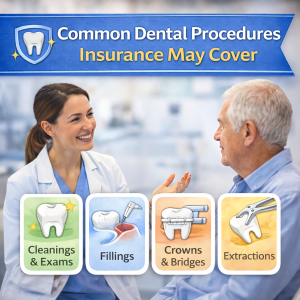
Dental insurance often categorizes services into three main types: preventive, basic, and major. Preventive services usually include regular check-ups, cleanings, and X-rays, essential in maintaining good oral health and catching potential issues early.

Most policies emphasize these services as they help avoid more costly treatments later on. Basic services might encompass fillings and simple extractions, covering necessary repairs and immediate treatment needs.

This part of healthcare coverage is crucial for ensuring issues like tooth decay are resolved before they worsen.

On the other hand, major services, such as crowns, bridges, dentures, or even some oral surgeries, may be partially covered or sometimes not at all, depending on the dental insurance policy. These treatments tend to be more complex and costly, requiring careful coverage scrutiny.

Understanding this aspect of services helps seniors avoid unexpected expenses. Given the variability in what services are included, it’s important to thoroughly examine your policy’s details, something a dedicated dentist can typically help clarify during consultations.

While some policies might cover specific major services, others might exclude them or impose lengthy waiting periods before coverage kicks in. Such exclusions highlight the importance of carefully reading through your dental care policy’s fine print.

Understanding what’s under coverage and what’s not ensures that when making health decisions, they align well with your budget and overall healthcare goals. Being aware of these nuances supports better financial planning and more strategic use of your dental insurance benefits.

To explore which policies match your personal dental care needs, remember to check options available in your area.

Important Points to Consider for Dental Insurance Coverage:

  • Review preventive service details; these often include routine check-ups and cleanings for early issue detection.
  • Check policy specifics for basic services like fillings, which ensure necessary repairs and immediate treatments.
  • Assess the inclusion of complex major services such as crowns or dentures; they may have limited coverage.
  • Verify any waiting periods associated with major services to prepare financially for long-term dental care.
  • Ensure that policy exclusions align with your dental needs and financial planning strategies.
  • Consult with a dedicated dentist to clarify policy details and support optimal benefit utilization.
  • Explore local insurance options to find a suitable match for your dental care requirements.


This structured approach aids in maximizing the value of your dental insurance, aligning it with personal health and financial objectives.

What Services Are Covered by Dental Insurance?

How Medicare Dental Options Work

Understanding how Medicare dental options work is essential for seniors seeking to maintain their oral health without overwhelming costs. While Original Medicare doesn’t cover routine dental care, Medicare Advantage, also referred to as Medicare Advantage (Part C) plans, might offer dental benefits.

Additionally, some seniors opt for supplemental dental plans to fill coverage gaps in their Medicare plans. By exploring these options, seniors can find insurance dental solutions that cater to their specific needs.

Recognizing the differences between Medicare Advantage and supplemental plans can help you make an informed decision about your dental insurance coverage.

Exploring Medicare Advantage and Supplemental Dental Plans

For many seniors, navigating Medicare’s landscape can be daunting, especially when it comes to adding dental insurance. Medicare Advantage, commonly known as Medicare Advantage (Part C) plans, offers an alternative to Original Medicare, combining health and dental benefits into a single plan.

These advantage plans include coverage for routine dental care like check-ups, cleanings, and possibly other services such as fillings and extractions. It’s crucial to review what each advantage plan offers, as coverage can differ widely from one plan to another.

Some Medicare Advantage plans might require you to use network dentists, adding another layer to consider during plan selection.

On the other hand, supplemental dental plans provide an additional layer of coverage for services that may not be fully covered under Medicare Advantage plans. These plans can cover preventive, basic, and sometimes even major dental care services, making them a valuable option for those who anticipate needing extensive dental work.

Supplemental plans typically work in harmony with Medicare, filling the gaps left by your primary plan. However, it’s important to note that these insurance options come with their own set of premiums, deductibles, and co-pays, which must be evaluated to ensure they fit within your budget and healthcare needs.

Deciding between Medicare Advantage and supplemental dental plans involves careful consideration of your dental care needs, financial situation, and the providers you prefer. Ensure that you are aware of geographic limitations, as some plans may only be available in certain locations.

Seeking advice from a knowledgeable source about your Medicare options can provide reassurance and clarity. By understanding the benefits and potential limitations of these plans, seniors can confidently choose the right mix of coverage, ensuring comprehensive dental insurance while managing costs effectively.

Enter your ZIP code on our site to discover which Medicare dental options are available to you, keeping in mind that coverage varies by location.

Find & Compare Plans Online

Speak with a licensed insurance agent

1-855-425-2095TTY 711

Mon-Fri: 8am-9pm ET

Cost Considerations for Seniors

Dental insurance can be a crucial part of managing healthcare expenses for seniors, but understanding the costs involved is key to making informed decisions. With numerous dental plans available, it’s important to consider not only the premiums but also deductibles and out-of-pocket expenses.

Seniors must weigh these factors to manage their overall health budget effectively. Recognizing the differences in coverage and costs among various dental plans allows seniors to find options that fit both their healthcare needs and financial situation.

Managing Costs with the Right Dental Plan

Choosing the right dental plan is an integral part of managing costs for seniors. A well-selected plan can significantly ease the financial burden associated with dental health care.

When evaluating dental plans, seniors should first consider the monthly premium cost. While lower-premium plans might seem attractive, they often come with higher deductibles or limited coverage, which can lead to unexpected out-of-pocket costs in the long run.

Additionally, understanding co-payments and the percentage of costs covered by insurance for various dental services is crucial. This knowledge helps seniors anticipate expenses and align their chosen plan with their financial capacity.

A key strategy for managing dental costs effectively is to focus on coverage that meets your specific health needs. For instance, some plans might offer enhanced benefits for preventive services, which can be particularly beneficial as regular checkups and cleanings are essential in preventing more costly dental issues.

It’s worthwhile to find a plan that balances cost with comprehensive preventive and basic coverage. Additionally, understanding whether major services like crowns and dentures are partially covered and what the co-payment might be is important.

This insight allows seniors to prepare for major procedures financially without significantly impacting their budget.

Lastly, seniors should explore if there are any geographical limitations on their choice of dental care providers. Some dental plans require the use of network providers to keep costs down.

Being aware of these parameters can help manage costs and ensure the plan you choose works effectively within your locale’s available healthcare services. Managing dental care costs also involves talking to providers about payment plans for services not covered by insurance.

By juggling these elements wisely, seniors can manage dental healthcare effectively and avoid unexpected financial strain. To explore which dental plans are available in your area based on your needs and budget, consider entering your ZIP code on our site.

Cost Considerations for Seniors

The Role of Waiting Periods in Your Insurance

Waiting periods often play a significant role in dental insurance, particularly for seniors. These mandatory lapses before certain benefits activate are crucial for understanding what your insurance policy covers.

Simply put, a waiting period in dental insurance refers to the time you must wait after your policy begins before you can access coverage for specific services. They’re designed to prevent misuse and ensure that insurance remains viable for companies.

For seniors, comprehending the importance of waiting periods helps in selecting insurance that aligns with their healthcare needs while avoiding unexpected costs.

Understanding Waiting Periods in Dental Plans

Dental insurance often comes with waiting periods, especially for coverage involving advanced or costly procedures. A waiting period is the duration you need to wait after enrolling in a dental plan before you can access certain benefits.

These periods vary depending on the insurance company and the type of services covered, typically ranging from a few months to a year. Understanding waiting periods can significantly impact your financial planning and healthcare needs.

Firstly, waiting periods help insurance companies manage costs and prevent immediate large claims. For example, a person might delay purchasing insurance until they require an expensive treatment.

By implementing waiting periods, insurance providers mitigate this risk, thus ensuring that their policies remain sustainable. While this approach helps keep insurance policies affordable, it requires policyholders to plan dental healthcare effectively.

For seniors, navigating waiting periods involves understanding how these periods affect dental services. Preventive services, such as cleanings and check-ups, might not have waiting periods, allowing for immediate usage after the policy activation.

However, basic and major services often do. Knowing this distinction helps in properly timing when to start the policy and if needing immediate dental care, selecting plans with minimal waiting periods becomes crucial.

It’s vital for seniors to thoroughly review their insurance coverage details, focusing on which services have waiting periods. This proactive approach ensures they are not caught off guard by treatment exclusions during these prevailing periods.

Understanding these intricacies aids in avoiding unforeseen dental bills, ensuring healthcare remains seamless and financially manageable. Entering your ZIP code on our website could be your next step in exploring policies with the waiting period terms that suit your needs best.

The Role of Waiting Periods in Your Insurance

Choosing the Right Dental Insurance Plan

Selecting the ideal dental insurance plan can feel overwhelming, especially for seniors navigating a wide range of options and coverage details. It’s essential to consider various factors, including the type of coverage, cost, and specific dental needs, to make an informed decision.

Understanding the nuances of different insurance plans, from preventive to major services, helps in aligning these with your healthcare needs and budget. With a strategic approach, you can find a dental plan that offers the right balance of coverage and cost, ensuring your oral health remains a priority.

Comparing Dental Plans Based on Your Needs

When assessing dental insurance options, it’s crucial to compare dental plans to ensure they align with your unique dental healthcare needs. Start by identifying the primary services you require, whether they include preventive care like regular cleanings or more complex treatments like crowns or dentures.

Each insurance dental plan offers varied coverage, so it pays to scrutinize these details attentively. Preventive services are generally covered under most plans, but the degree to which basic and major services are covered can vary significantly.

Understanding these differences enables you to weigh the coverage against potential out-of-pocket costs effectively.

The cost of dental insurance is another important consideration. This includes not only the monthly premium but also deductibles, co-payments, and potential exclusions.

A plan with a low premium might have higher out-of-pocket costs when dental care is needed, which could affect your budget. Look at the total cost implications of the plans dental you’re considering.

Determine if a plan that covers more services upfront could save money in the long run despite a higher monthly premium. Balancing these elements helps seniors manage their dental expenses better, fostering financial peace of mind.

Finally, geographical factors play a role in how effective a dental plan is for you. Insurance dental networks can be limited to specific regions, which impacts your choice of healthcare providers.

Check if your preferred dentist is within the plan’s network or if you’re comfortable switching to another provider in the plan’s network. This step ensures you get the best value for your dental plan while maintaining the quality of care.

By thoroughly comparing and understanding dental plans, seniors can confidently select an insurance option that aligns with their healthcare needs and financial situation. To find the best-fit options available, consider exploring plans in your area using our website, allowing for a tailored selection that meets your specific requirements.

Understanding dental insurance can make a big difference in planning for your oral health needs. Exploring your options helps you find a plan that fits your budget and coverage preferences.

Remember, costs and coverage can vary by location, so it’s important to compare options where you live. To explore plans available in your area, enter your ZIP code on our website.

You’ll find useful information to help you make an informed decision about your dental insurance coverage. Stay informed and feel confident in choosing a plan that suits your needs.

Compare Dental Plans

Frequently Asked Questions

What is dental insurance for seniors, and why is it important?

Dental insurance for seniors typically covers preventive, basic, and some major dental care services. It’s important because it helps manage the costs of maintaining oral health, such as regular check-ups and treatments, which are essential for preventing more serious dental issues.

What types of dental services are usually covered by insurance plans?

Most dental insurance plans include:

  • Preventive services: such as regular check-ups, cleanings, and X-rays.
  • Basic services: like fillings and simple extractions.
  • Major services: such as crowns, bridges, and dentures, although these may be partially covered.

Coverage can vary, so it’s important to review each plan’s details.

How do Medicare Advantage plans differ from supplemental dental plans?

Medicare Advantage plans may offer dental benefits in addition to coverage provided by Original Medicare. These benefits often include routine care like check-ups and cleanings. Supplemental dental plans are separate and can fill in coverage gaps, offering more extensive services like orthodontics or major dental work.

What are premiums, deductibles, and co-pays in dental insurance?

These are common financial components of dental insurance:

  • Premiums: The monthly cost you pay for your insurance plan.
  • Deductibles: The amount you pay out-of-pocket before your insurance starts to cover services.
  • Co-pays: A fixed amount you pay for a covered service, such as a dental visit.

Understanding these elements can help manage and anticipate dental care expenses.

How can I find a dental insurance plan that fits my needs and budget?

To find a suitable dental insurance plan, consider these steps:

  • Review your dental health needs, focusing on preventive, basic, and major care requirements.
  • Evaluate the cost components, including premiums, deductibles, and co-pays.
  • Check the network of available dental care providers in your area.
  • Use your ZIP code to explore and compare plans offered locally at Dentalinsuranceforsenior.org.

This approach ensures that you choose a plan that matches both your healthcare needs and financial situation.

Have Questions?

Speak with a licensed insurance agent

1-855-425-2095

TTY users 711

Mon-Fri: 8am-9pm ET

Find & Compare Plans Online

Speak with a licensed insurance agent

1-855-425-2095TTY 711

Mon-Fri: 8am-9pm ET

ZRN Health & Financial Services, LLC, a Texas limited liability company