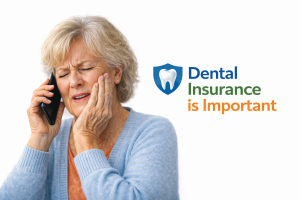
Dental Insurance Options with Medicare

Welcome to Dentalinsuranceforsenior.org, your trusted resource for understanding how dental coverage can fit into your Medicare plans. As you explore the world of Medicare, you’ll find that standard Medicare plans don’t always include dental coverage.

Our goal is to provide clear, simple explanations about the supplemental dental plans available for seniors. These plans can help cover a variety of dental services.

Join us to learn how to choose the dental coverage that meets your needs and keeps you smiling for years to come.

Key Highlights

  • Original Medicare excludes most dental services, prompting seniors to seek additional coverage options.
  • Medicare Advantage often includes dental benefits, offering more comprehensive healthcare in one package.
  • Standalone dental plans can supplement Medicare, providing coverage for various dental procedures.
  • Choosing the right plan involves assessing coverage types, costs, and the network of dental providers.
  • Use our website to explore plan options, as coverage availability varies by location.

Compare Dental Plans

Understanding Medicare and Its Impact on Dental Care

Many seniors need clarity around the impact Medicare has on their dental care coverage. It’s important to know that Original Medicare doesn’t cover most dental care.

To fill these gaps, many look at Medicare Advantage plans or standalone dental insurance. Here’s an overview of what Medicare covers in dental services and how Medicare Advantage can play a pivotal role.

Understanding these options can help seniors manage dental costs effectively and ensure they get the care they need. Let’s explore the details of these coverage options together.

What Medicare Covers for Dental Services

Original Medicare, which consists of Part A and Part B, primarily focuses on medical and hospital-related services. This means that most routine dental care, including exams, cleanings, fillings, and extractions, is not considered Medicare-covered dental services.

The exclusion of basic dental services can be surprising for many seniors who might expect broader coverage from a program as comprehensive as Medicare. However, there are specific situations where Medicare might step in.

For instance, if you are admitted to a hospital and dental surgery is required as part of your treatment, Medicare may help cover the cost. But remember, it’s not the dental work that’s covered but the condition that requires hospital care.

Understanding this distinction is crucial for seniors planning their healthcare needs.

Medicare-advantageable plans often blend basic healthcare and additional dental benefits, but these vary based on the insurance company and area. Traditional Original Medicare doesn’t provide these kinds of combined services.

If you’re a senior considering how to handle dental expenses, researching standalone dental plans can also be a worthwhile option. Many companies offer standalone plans, and they can help cover basic and more extensive dental services.

These options might not completely fill the gap left by Original Medicare, but they can significantly mitigate costs, offering peace of mind when facing common dental procedures.

Decisions regarding dental coverage are critical as we age, and they affect more than just oral health; they impact overall healthcare outcomes. Dental health has been linked to more serious conditions, notably heart disease.

Therefore, while Medicare may not directly cover dental care, it’s vital to seek alternatives that maintain oral health as an integral part of a broader health strategy. For seniors reliant on Medicare, understanding these gaps and opportunities can save significant amounts and stress.

The Role of Medicare Advantage in Dental Plans

Medicare Advantage, known as Part C, plays a vital role in offering expanded health benefits that go beyond what Original Medicare covers. This includes potentially covering dental expenses, which original Medicare doesn’t typically handle.

Medicare Advantage plans are offered by private insurance companies and often include coverage for routine dental services, such as cleanings, exams, and sometimes even procedures like fillings and crowns. The advantage plan is often attractive because of its comprehensive approach to both health and dental care in one package.

However, the type and extent of covered dental services under these plans can vary substantially depending on the specific advantage plans and providers.

When considering whether to choose a Medicare Advantage plan for dental coverage, it’s crucial to review what each plan covers. Some may offer extensive dental benefits, including preventive and basic dental services, while others might cover less.

Importantly, while these plans might enhance dental coverage, they often come with a network of specific dentists and health service providers, so checking network availability is important. Also, consider any premium amounts, out-of-pocket costs, and limits on covered services.

Comparing various Medicare Advantage plans can help ensure you’re selecting one that aligns with your dental care needs and financial considerations.

For seniors considering Medicare Advantage, it’s equally crucial to understand other benefits these plans might offer. Besides dental, they typically include vision, hearing, and sometimes prescription drug coverage, benefiting people seeking a more integrated healthcare plan.

These aspects make Medicare Advantage a popular choice for those looking to fill the gaps left by Original Medicare. As healthcare needs change with age, finding the right plan involves assessing both medical and dental coverage options that ensure health needs are met comprehensively.

Navigating Medicare insurance choices can seem overwhelming, but awareness and understanding of each available benefit are key to making informed decisions.

Understanding Medicare and Its Impact on Dental Care

Exploring Dental Coverage with Advantage Plans

Medicare Advantage plans offer a valuable way to expand dental coverage beyond what Original Medicare provides. These Advantage plans often come with the ability to include dental insurance, thereby enhancing health services for seniors.

While Original Medicare generally excludes dental services, Medicare Advantage could be an option to consider for more comprehensive dental plans. These plans offered by private insurers can vary significantly, providing routine and sometimes more advanced dental care.

Understanding how Advantage plans might improve your dental insurance experience is key to utilizing them effectively in your healthcare strategy.

How Advantage Plans May Enhance Dental Coverage

Medicare Advantage plans, sometimes known as Part C, are a good way to access expanded health benefits, including dental coverage that Original Medicare lacks. They are structured by private insurance companies that add on services like dental care, potentially covering routine exams, cleanings, and sometimes even fillings and crowns.

This expansion of benefits provides seniors with options that can make managing dental costs easier while maintaining overall health. When you explore these Medicare Advantage options, look for plans that clearly define the scope and limits of their dental coverage to ensure they meet your needs.

Comparing different plans is essential, as their covered dental services vary greatly by provider and location.

One of the critical advantages of these Medicare Advantage plans is their comprehensive approach to integrating health services and dental insurance within a single package. However, while these plans can enhance dental coverage, they also come with some considerations.

For instance, coverage can depend on network availability; that means you’ll need to ensure your preferred dental providers are within the plan’s network to avoid additional out-of-pocket costs. Also, it’s crucial to evaluate the specific benefits of these plans.

Some Advantage plans include extensive coverage, others focus primarily on preventive services, and some might impose restrictions or require higher premiums for more comprehensive dental services.

Looking closely at benefit brochures and speaking with insurance representatives can illuminate the fine details of what each Medicare Advantage plan offers. Understanding the health benefits beyond dental care, including vision, hearing, and prescription drug coverage, is equally vital.

These multifaceted plans appeal to those looking for holistic health solutions as they age, providing a single comprehensive package to manage various health needs. It’s all about finding a balance between what you need and what different plans offer; hence, assessing personal dental health risks and broader healthcare needs is imperative when selecting these plans.

In conclusion, incorporating a Medicare Advantage plan into your dental care strategy is a decision that should be made with careful consideration of current and future health needs. Knowing that these plans can significantly enhance coverage provides peace of mind, but awareness of the plan’s limits and costs is equally essential.

With the variety of options available, taking the time to fully understand each plan and its benefits, including the potentially included dental services, will empower seniors to choose a plan that supports their long-term health objectives.

Enter your ZIP code on our site to explore specific options available in your area, keeping in mind that Medicare Advantage can be a tool for more integrated and well-rounded dental insurance coverage.

Find & Compare Plans Online

Speak with a licensed insurance agent

1-855-425-2095TTY 711

Mon-Fri: 8am-9pm ET

Medicare Dental Options for Seniors

For seniors looking to manage dental expenses under Medicare, understanding available plans is crucial. Original Medicare doesn’t typically include dental services, prompting seniors to look elsewhere.

Medicare Advantage plans and standalone dental plans are options that can enhance dental health management. Assessing these options allows you to see how each might fit into your healthcare needs.

Both coverage type and costs vary with these plans, making it essential to explore all possibilities thoughtfully. Let’s compare Medicare dental insurance plans and options in detail.

Comparing Medicare Dental Plans and Options

Choosing a dental plan when you have Medicare requires a thorough review of the available options and understanding what each entails. Medicare Advantage, or Part C, is a popular choice as it frequently offers benefits that Original Medicare lacks.

These plans often bundle dental insurance with other health benefits, which are organized by private companies. With Medicare Advantage, seniors have access to a range of covered services, potentially including routine dental exams, cleanings, and even some complex procedures like crowns or dentures.

However, it’s essential to review the details, as not all plans cover dental issues equally, and the extent of coverage can depend on your local provider network. In contrast, standalone dental plans work independently of Medicare.

These might focus more specifically on dental insurance, which could be advantageous if you have specific dental care needs. Standalone plans can be particularly beneficial for seniors who want to maximize their dental care coverage, as they typically offer a wider scope of dental benefits.

They often allow you to visit any dentist, though your out-of-pocket costs could vary based on the network agreement.

When reviewing either Medicare Advantage packages or standalone dental plans, it’s important to assess what types of dental services are covered. Evaluate if preventative services, like cleanings and exams, are part of the default package, as these are vital for maintaining overall health.

Consider also looking into whether major services such as crowns, root canals, or even orthodontics are included without substantial extra costs. Costs, including premiums, deductibles, and co-pays, should also factor into your decision, as these influence long-term affordability.

Ultimately, a good way to determine which dental insurance option suits your needs is by evaluating how the service aligns with your health goals. Some seniors may prioritize broader healthcare coverage, making Medicare Advantage appealing, while others might prefer the flexibility and targeted coverage of a standalone dental plan.

It’s also wise to consider the impact of these plans on your total healthcare strategy, as dental care’s influence on broader health issues like heart disease is significant. Understanding these nuances ensures you make informed decisions that promote both dental and overall health.

Enter your ZIP code on our website to explore customized options, as coverage often varies significantly by location.

Medicare Dental Options for Seniors

How to Get Dental Coverage with Medicare

Getting dental coverage through Medicare requires understanding the different pathways available, like selecting Medicare Advantage plans or combining standalone plans. While Original Medicare doesn’t usually cover dental services, options exist to supplement this gap.

Medicare Advantage is one effective route, offering comprehensive packages that include dental and general health services. Another choice is integrating standalone dental plans to cover specific needs many seniors have.

By carefully examining these options and understanding their benefits, seniors can find plans that fit their dental care requirements, manage costs, and ensure they have the necessary coverage to promote overall health.


Coverage TypeIncluded ServicesLimitationsAvailabilityEnrollment Options
Original MedicareNoneNot applicableAutomatic at age 65Part A & B Enrollment
Medicare AdvantageVaries by planLimits on network providersVaries by regionAnnual Open Enrollment
Stand-Alone DentalComprehensive dentalYearly maximumsNationwideAny time enrollment
Dual-Eligible PlansMedicare and Medicaid servicesState-specific limitationsFor qualifying low-income individualsCheck state eligibility


The table succinctly highlights the key aspects of obtaining dental coverage through various Medicare-related options, helping readers make informed decisions based on their eligibility and needs.

Tips on Finding the Right Coverage for Your Needs

Identifying the right dental coverage with Medicare can be a complex process, especially with the various options like Medicare Advantage and standalone dental plans. It’s important to start by assessing your unique dental needs.

If you frequently require dental services or anticipate needing more comprehensive care, a Medicare Advantage plan may be a good way to integrate dental coverage into your healthcare strategy.

These plans are offered by private insurance companies and often provide a wider range of services than Original Medicare, including preventative care and sometimes even more specialized procedures like crowns or dentures.

On the other hand, if your focus is solely on dental insurance, considering a standalone dental plan might be beneficial. Standalone dental plans are particularly appealing if you want the flexibility to visit any dentist and have extensive dental procedures covered.

They often have fewer restrictions compared to Medicare Advantage plans, which might be tied to specific networks. However, it’s essential to be aware of how these plans handle costs like premiums, deductibles, and copayments, as these can significantly affect your budget.

When choosing a plan, reviewing the details of coverage is crucial. Medicare Advantage plans may bundle various health services, providing an all-in-one health solution, but evaluate if the dental coverage meets your expectations. They may cover basic dental care like exams and cleanings but vary in scope with other services.

Meanwhile, with standalone plans, check the depth of the dental coverage, ensuring major services like implants, root canals, and dentures are adequately covered without incurring substantial out-of-pocket expenses.

Another important consideration involves examining the network of dental providers linked to the plan. Medicare Advantage often operates within certain network boundaries, meaning you must confirm if your preferred dentists are included, to avoid extra charges.

Standalone plans, however, might offer more flexibility, so it’s beneficial to verify network details and any costs associated.

Evaluating all these aspects helps form a clear picture of which coverage is most suitable for your dental and overall health strategy. For some seniors, a plan that integrates multiple health services, including dental, could provide the most value, while others might prefer the tailored benefits of a standalone plan.

Be sure to consider your current health needs and future expectations when making this choice. To explore options specific to your area, entering your ZIP code on our website can offer localized plan details, showing how Medicare Advantage or standalone plans can be tailored to meet your requirements effectively.

After evaluating your options, it’s essential to consider specific actions to select the most suitable dental coverage with Medicare. Here’s a list of key steps to guide you through this process:

  • Thoroughly evaluate your personal dental care needs, including the frequency of services you require.
  • Compare the scope and flexibility between Medicare Advantage plans and standalone dental plans.
  • Carefully assess associated costs such as premiums, deductibles, and copayments to ensure they fit your budget.
  • Consider any network restrictions and the availability of preferred dentists within each plan type.
  • Review the specific coverage details for major dental procedures to ensure they meet your needs.
  • Use a ZIP code tool to find localized plan options tailored to your geographic area.
  • Balance your current needs against potential future dental and health care expectations to choose the most comprehensive plan.


This list will help guide readers through the critical steps in making an informed dental coverage decision.

Understanding how Medicare can support your dental care needs is essential. While traditional Medicare doesn’t offer dental benefits, there are options available, such as Medicare Advantage plans that include dental coverage.

It’s crucial to compare different plans to find the one that aligns with your needs and budget. Some plans offer preventive services, while others extend to fillings or dentures.

Coverage varies based on your location and provider, so it’s wise to explore what’s available in your area. Enter your ZIP code on our website to learn more about dental insurance options where you live.

How to Get Dental Coverage with Medicare

Compare Dental Plans

Frequently Asked Questions

Does Original Medicare cover dental services?

Original Medicare, which includes Part A and Part B, does not generally cover routine dental care such as exams, cleanings, fillings, or extractions. It primarily focuses on medical and hospital-related services. However, there may be exceptions when dental care is required as part of a hospital stay.

What are Medicare Advantage plans and how do they include dental coverage?

Medicare Advantage, or Part C, is offered by private insurance companies and often includes dental benefits not covered by Original Medicare. These plans can cover routine dental services such as exams, cleanings, and sometimes more extensive procedures like fillings and crowns. Coverage and benefits vary by plan and location.

How do standalone dental plans work with Medicare?

Standalone dental plans are separate from Medicare and focus specifically on dental coverage. These plans can complement your existing Medicare coverage by offering a broader range of dental services and flexibility in choosing your dental providers.

What should I consider when choosing a dental plan under Medicare?

When selecting a dental plan, consider factors such as the types of dental services covered, cost (including premiums, deductibles, and copayments), and whether your preferred dentists are within the plan’s network. Evaluate your dental health needs and budget to find a suitable plan.

How do I find dental insurance options available in my area?

You can explore dental insurance options by entering your ZIP code on our website, Dentalinsuranceforsenior.org. This allows you to see plans available in your area, including Medicare Advantage and standalone dental options, helping you make an informed decision based on location-specific offerings.

Have Questions?

Speak with a licensed insurance agent

1-855-425-2095

TTY users 711

Mon-Fri: 8am-9pm ET

Find & Compare Plans Online

Speak with a licensed insurance agent

1-855-425-2095TTY 711

Mon-Fri: 8am-9pm ET

ZRN Health & Financial Services, LLC, a Texas limited liability company