Oral Health Conditions Affecting Seniors

As we age, our oral health needs can change dramatically, often requiring more attention and care. Understanding these changes is vital for maintaining a healthy smile. Seniors may face specific oral health conditions like gum disease, tooth decay, and dry mouth.

These changes can impact overall health and quality of life. Learning about these conditions helps in finding the right dental care and insurance options suited to individual needs.

This page provides insight into common dental changes and what seniors can do to support their oral health as they age.

Key Highlights

  • Aging affects oral health significantly, including increased risk for gum disease, tooth decay, and dry mouth.
  • Regular dental visits are crucial for the early detection and management of oral health issues in seniors.
  • Dental insurance aids seniors by covering routine care and helping manage the costs of preventive and basic services.
  • Evaluating tooth replacement options like dentures and implants involves considering costs and long-term benefits.
  • Simple daily oral care practices are pivotal for seniors in preventing diseases and maintaining a healthy smile.

Compare Dental Plans

The Importance of Oral Health for Seniors

Maintaining oral health is crucial for seniors as it impacts overall well-being. As older adults age, dental changes are inevitable, affecting teeth and gums.

Some older adults have untreated tooth decay, which can lead to more serious chronic health issues. Regular visits to the dentist are essential for preventive services and treatment, helping manage these changes.

Understanding oral health helps seniors retain their natural teeth, minimizes discomfort, and improves quality of life. Let’s delve into how aging impacts oral health and the significance of addressing these changes promptly.

Understanding Oral Changes with Age

Aging brings about significant changes in both teeth and gums, influencing overall oral health. As individuals grow older, the teeth undergo wear and tear from years of biting, chewing, and exposure to various foods and beverages.

This natural process often results in the enamel, the protective outer layer of the teeth, becoming thinner. When the enamel thins, sensitivity can increase, causing discomfort when consuming hot, cold, or sweet foods.

Another common change is the gradual yellowing of teeth, a result of dentin exposure as enamel wears away over time. These visual and functional alterations underscore the importance of regular dental check-ups to address potential issues before they escalate.

Gum health also plays a vital role in an aging mouth. Aging gums tend to recede, exposing more of the tooth and sometimes the root, which can heighten sensitivity and risk of tooth decay.

As older adults have untreated tooth decay, it becomes crucial to monitor gum conditions closely. Untreated gum disease, such as gingivitis, can evolve into chronic periodontitis, causing tooth loss, a common problem for older adults.

Regular visits to the dentist for cleanings and examinations can aid in maintaining healthy gums by removing plaque and tartar, which are common culprits in gum disease development. Chronic health conditions prevalent among seniors can further complicate oral health management.

Conditions like diabetes or heart disease can worsen oral issues, as they can lead to dry mouth, a lack of saliva necessary to neutralize acids and wash away food particles. A dry mouth increases the risk of cavities and oral infections.

Recognizing the interconnectedness of overall health and oral health is key. Dental services and treatments become pivotal, not just in treating existing problems but in preventing new ones from arising, ensuring that the mouth, teeth, and gums remain healthy and functional.

As a part of this care continuum, dental insurance plays an essential role by providing access to necessary services, potentially reducing the cost burdens associated with dental procedures.

The Importance of Oral Health for Seniors

Common Oral Health Problems

Aging brings about various oral health problems that can affect seniors’ quality of life. Older adults often face issues like untreated tooth decay and gum (periodontal) disease, which can lead to more serious conditions if not addressed promptly.

Identifying these problems early is key to maintaining oral health. Regular check-ups with the dentist, along with proper care routines, help manage these common challenges seniors may face, ensuring they retain their teeth and gums as healthily as possible.

Spotting Issues Early

Spotting oral health problems early is crucial for older adults to maintain optimal dental health. Many seniors deal with common oral issues such as untreated tooth decay and gum disease, which, if left unattended, can escalate into significant health concerns.

Regular dental visits play a critical role in early detection. Dentists are skilled at noticing signs of decay or gum disease before they become severe.

During these appointments, comprehensive checks help in identifying any changes in dental health that might go unnoticed at home.

Older adults often have untreated tooth decay because of factors like reduced saliva production, which is common with aging. Saliva helps protect teeth by washing away food particles and neutralizing acids.

A decrease in saliva can increase the risk for cavities. Additionally, seniors may experience gum disease, which can result in gum recession and bone loss if not managed.

Recognizing these signs early means treatment can be more effective, helping to prevent tooth loss and other complications.

Being proactive in dental healthcare is essential. Simple steps such as daily brushing, flossing, and the use of fluoride products can aid in preventing many oral health issues.

These practices help keep teeth and gums clean and potentially reduce the need for extensive dental interventions. Dental professionals can also offer advice tailored to each patient’s circumstances, ensuring that care is appropriate for their specific needs.

Seniors and their caregivers must understand the connections between oral health care and overall well-being. Often, oral health problems can signal or contribute to broader health issues, such as heart disease or diabetes.

By maintaining regular dental care and paying attention to any oral discomfort or changes, older adults can mitigate the impact of oral diseases on their general health, leading to an improved quality of life. Enter your ZIP code on the website to explore dental insurance options, as coverage varies by location, to help manage these potential oral health issues effectively.

Recognizing Gum (Periodontal) Disease

As we grow older, understanding gum (periodontal) disease becomes increasingly important. This condition commonly affects aging adults, potentially leading to issues such as tooth decay and tooth loss if not treated early.

Recognizing signs, from mild gingivitis to more serious periodontitis, can prevent more severe issues down the road. Regular dental check-ups and a proactive approach to oral health are essential in managing this disease effectively.

Let’s explore why this condition requires special attention for seniors and how to identify its early symptoms to maintain healthy gums and teeth.

Why It Matters for Seniors

Understanding why gum (periodontal) disease matters for older adults begins with recognizing its prevalence and potential impact on oral health and general well-being. This disease is often more than just a dental issue, it’s a health condition that can have systemic effects if left unattended.

Chronic gum disease, such as gingivitis and periodontitis, can start with simple symptoms like swollen, bleeding gums, which, if ignored, can progress to more severe stages. At more advanced stages, periodontitis can cause the gums to pull away from the teeth, forming pockets that become infected.

As the disease progresses, it can lead to bone loss, resulting in the loosening or loss of teeth. This is a significant concern for older adults, as tooth loss can affect nutritional intake and quality of life by making it difficult to eat or speak properly.

Moreover, research has shown a strong link between periodontal disease and various health conditions such as diabetes, heart disease, and stroke. For seniors, managing these conditions can be more challenging, and untreated gum disease can exacerbate these issues by acting as a source of chronic inflammation.

Diabetes, for instance, can reduce the body’s resistance to infection, making gum disease harder to control. Conversely, severe gum disease can make it difficult to control blood sugar levels, thereby worsening diabetes.

To address this, seniors and their caregivers should prioritize regular dental visits, which are crucial for diagnosing and treating gingival conditions early. Dentists can offer personalized advice and tailored treatment plans that take into account the patient’s overall health status.

Daily oral hygiene practices, like proper brushing and flossing, alongside professional cleanings, play a critical role in preventing gum disease progression.

Awareness and education about this condition empower patients to seek treatment proactively, ultimately helping to maintain their gums and teeth in good health. By understanding the implications of untreated gum disease and taking preventive measures, seniors can protect their oral and systemic health.

It’s essential to consider dental insurance options that cover regular check-ups and treatments, as these are fundamental in preventing expensive dental procedures caused by advanced periodontal disease.

Caregivers and seniors alike must stay informed about the potential dangers of untreated periodontal disease. By integrating this understanding into daily and preventive care, older adults can achieve better oral health outcomes, promoting a healthier, more comfortable life.

If you’re curious about dental insurance that supports comprehensive gum disease treatment, consider exploring options by entering your ZIP code on the website to find plans available in your area.

The Impact of Health Conditions on Oral Health

As seniors age, their oral health often reflects changes caused by various systemic health conditions like diabetes and heart disease. The connection between these health conditions and oral health is significant, as they can influence the overall health of teeth and gums.

Systemic conditions can exacerbate oral health problems, making daily oral care more challenging. It’s important to understand how these health conditions affect oral health, as managing them effectively can lead to better outcomes for dental care.

Let’s explore how to manage oral health in conjunction with these systemic concerns.

Managing Oral Health with Other Health Conditions

Navigating oral health amidst additional health conditions can be a delicate balance for seniors. Systemic diseases like diabetes significantly affect one’s oral health, changing the usual dynamics between oral care and overall well-being.

For instance, diabetes can lead to high blood sugar levels, which may cause dry mouth by reducing saliva production. This lack of saliva, a natural defense against cavities and gum (periodontal) disease, can result in oral health problems such as tooth decay and gum disease.

Additionally, diabetic individuals often experience slower healing processes, complicating oral care further when dealing with surgeries or other dental procedures.

Heart disease represents another common systemic condition with notable effects on oral health. The relationship between oral health and heart disease emphasizes the importance of maintaining healthy gums.

Gum disease can elevate bacteria that enter the bloodstream, potentially impacting heart health by increasing inflammation. Regular oral health check-ups are vital for seniors to manage these conditions effectively.

Dentists can identify early signs of oral health problems influenced by systemic health conditions and tailor care plans accordingly. Older individuals should inform their dental care providers about their health conditions to ensure an integrative approach to oral health care.

Comprehensive oral care is more than daily brushing and flossing; it also involves adopting lifestyle habits that align with managing overall health. For example, maintaining a healthy diet rich in organic fruits, vegetables, and whole grains supports both oral and general health.

Moreover, staying hydrated is crucial for seniors, particularly those with dry mouth issues, as it helps maintain healthy saliva levels. Regular dentist visits extend beyond cleaning and checks, offering an opportunity to assess oral health comprehensively while considering other health conditions.

Caring for oral health amidst other health conditions requires a proactive and informed approach. Seniors should regularly consult with healthcare providers, including dentists, to devise a plan that considers their specific health conditions and oral health needs.

Through diligent management of their health conditions, seniors can mitigate the impact of these systemic issues on their oral health. Understanding dental insurance options might aid in covering essential treatments, fostering better care and quality of life.

For personalized plan details, enter your ZIP code on the website to find local resources tailored to your health care needs.

Recognizing Gum (Periodontal) Disease

How Dental Insurance Helps

Dental insurance plays a critical role in supporting seniors’ oral health by providing access to essential dental services. As oral health challenges increase with age, having coverage ensures that older adults can access preventive and routine care without significant financial strain.

Dental insurance often covers a broad range of services, making it easier for seniors to maintain regular visits to the dentist. This coverage is not only about immediate care but also helps in managing long-term health by addressing conditions early. Let’s explore how dental insurance aids in routine care.

Coverage Options for Routine Care

Routine dental care is vital as we age, and understanding how insurance can help cover these necessities brings peace of mind. Most dental insurance plans categorize routine care into preventive and basic services, simplifying what’s covered to help seniors plan their health care effectively.

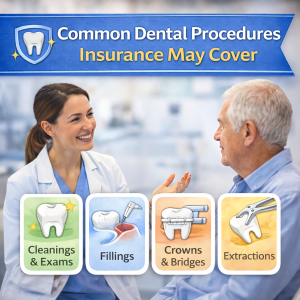
Preventive services often include regular cleanings, exams, and x-rays, crucial for maintaining dental health. Insurance covers these dental services periodically, reducing out-of-pocket expenses so older adults can prioritize their oral health without budget concerns.

The benefits of insurance in routine care extend beyond just affordability. Access to consistent care ensures that dentists can monitor changes in oral health more effectively.

This means potential issues like cavities or gum problems can be identified early, making treatments more manageable and less costly. Seniors benefit immensely from consistent care, as early detection often prevents more invasive procedures, ensuring teeth and gums remain healthy longer.

Dental insurance also covers basic services like fillings and simple extractions. These services are essential when dealing with common senior challenges, such as untreated tooth decay.

Insurance policies often define their scope, helping seniors understand what’s available under their plan. This transparency is crucial for older patients, guiding them to make informed decisions about their care.

Knowing that basic services are covered, seniors can address problems promptly, avoiding the progression to more complex and costly procedures.

The support of dental insurance in routine care emphasizes the broader importance of dental health. Regular check-ups under a comprehensive plan contribute not only to oral health but also to general well-being.

As oral conditions can signal broader health issues, having insurance that covers routine care helps seniors maintain their overall health. Engaging with these services bridges the gap between recognizing a problem and accessing the necessary treatment, enhancing life quality in golden years.

Exploring dental insurance tailored to your location is a great step to ensure you benefit fully from available plans. By entering your ZIP code on the website, you can find out what specific coverage options exist in your area, leading you to informed choices for maintaining your dental and overall health.

Find & Compare Plans Online

Speak with a licensed insurance agent

1-855-425-2095TTY 711

Mon-Fri: 8am-9pm ET

Understanding Tooth Replacement Costs

Tooth replacement is vital for seniors facing tooth loss, affecting their ability to chew and speak. Understanding the costs of tooth replacement can be complex due to varying procedures available, such as dentures and dental implants.

Navigating these choices requires considering factors like cost, treatment duration, and comfort. By evaluating different options, seniors can make informed decisions about their dental health.

Let’s explore the intricacies of dentures and implants, offering insights into what each option entails and how costs might influence your choice.

Evaluating Denture and Implant Options

When considering tooth replacement, dentures and dental implants are two prominent options. Each offers unique benefits and challenges, making it essential to evaluate them thoroughly.

Dentures, a more traditional choice, are removable appliances that replace missing teeth. They come in two types: full and partial.

Full dentures are used when all teeth are missing, while partial dentures fill gaps when some natural teeth remain. Dentures are usually more affordable up front compared to dental implants.

They don’t require surgery, offering a non-invasive treatment option. However, they may require adjustments over time, especially as the jawbone changes, potentially leading to additional costs and maintenance.

Dental implants, on the other hand, provide a more permanent solution. They involve surgically placing a titanium post into the jawbone, serving as a sturdy base for crowns that mimic natural teeth.

While implants typically cost more initially, they offer durability and are favored for their natural look and feel. They also help maintain bone structure, preventing the deterioration common with tooth loss.

For older adults, implants can significantly improve the quality of life by enhancing oral function and comfort. Despite the higher initial investment, many find the long-term benefits worthwhile, as they can avoid future dental issues often faced with dentures.

Both dentures and implants involve consideration of dental services and costs, but cater to different needs and situations. Seniors must assess their oral health, treatment preferences, and financial capabilities when deciding between the two.

Consulting with dental professionals can provide personalized insights, ensuring choices align with individual needs. Moreover, understanding whether your dental insurance plan covers any portion of these treatments can significantly impact decisions.

Insurance often covers routine dental care and may partially cover denture costs, but implants are less frequently included. Always check with your insurance provider to clarify what treatments are eligible under your plan.

Ultimately, the decision between dentures and implants should factor in your lifestyle, health conditions, and long-term goals. Taking time to evaluate these options empowers seniors to make choices that contribute to their overall well-being.

Exploring options in your area is key. Entering your ZIP code on the website can help you uncover dental insurance plans that align with your needs and budget, aiding in making a confident and informed decision.

How Dental Insurance Helps

Age-Related Dental Diseases

Aging can bring numerous changes to oral health, impacting both the teeth and gums. Being aware of age-related dental diseases helps in managing such changes effectively.

Conditions like dental caries and periodontal disease are common among older adults, each with its unique challenges. Recognizing these issues early and seeking appropriate treatments can significantly improve a senior’s quality of life.

Understanding these diseases aids in maintaining oral health, thereby contributing to better overall health outcomes.

Recognizing and Treating Them

As we age, recognizing age-related dental diseases becomes crucial for maintaining oral health. These diseases, such as dental caries and periodontal disease, are prevalent among seniors, each affecting the mouth differently.

Dental caries, or tooth decay, results from the demineralization of tooth structures by acids produced by bacteria. Seniors are more susceptible due to factors like dry mouth, which decreases saliva production, an essential barrier against dental caries.

Left untreated, caries can lead to cavities, pain, and even tooth loss. Regular dental check-ups play a vital role in identifying these issues early.

Dentists can detect caries through thorough examinations and suggest appropriate preventive and restorative treatments, such as fluoride treatments or fillings.

Periodontal disease, a chronic inflammatory disease affecting the gums and supporting structures of the teeth, also poses challenges for older adults. Known initially as gingivitis, it can progress into periodontitis, leading to tooth loss if untreated.

Key symptoms include swollen, bleeding gums and gum recession. Regular dental appointments empower seniors to catch these symptoms early, allowing for effective management.

Treatments commonly involve professional cleanings to remove plaque and tartar, and possibly more advanced interventions like scaling and root planing. At-home dental care is equally important. Daily brushing, flossing, and using antimicrobial mouthwashes support gum health.

For both dental caries and periodontal disease, engaging with dental services is crucial. Dental insurance helps facilitate access to the necessary treatments by covering routine care, preventive services, and some advanced treatments.

Planning financially for potential dental procedures can also aid in managing these diseases. Understanding what coverage is available can help prevent unforeseen expenses and promote timely treatment.

Staying proactive in oral health care allows seniors to address age-related dental diseases effectively, improving both dental and overall well-being.


DiseaseSymptoms/EffectsPreventive MeasuresTreatment OptionsRole of Insurance
Dental CariesToothache, visible holes, sensitivityRegular brushing and flossing, fluoride treatmentsFillings, crowns, root canal therapyCovers routine check-ups and treatments, reducing out-of-pocket expenses
Periodontal DiseaseGum bleeding, recession, loose teethProper oral hygiene, regular dental cleaningsScaling and root planing, gum surgeryInsurance often covers periodic cleanings and some surgical treatments
Tooth WearFlat, worn surfaces, sensitivity, chipsUse of mouthguards, avoiding teeth grindingDental bonding, crowns, and veneersMay cover preventive devices and necessary restorations
Dry Mouth (Xerostomia)Difficulty swallowing, frequent thirst, sore throatStaying hydrated, avoiding tobacco, and alcoholSaliva substitutes, medications to increase salivary flowSome plans include assessments and specific treatments


This table summarizes the critical aspects of age-related dental diseases and underscores the importance of dental insurance in managing these conditions effectively.

By providing a consolidated view of each disease’s symptoms, preventive measures, treatment options, and the role of insurance, it serves as a practical guide for individuals seeking to understand and address these common dental challenges.

Age-Related Dental Diseases

About Periodontitis

Periodontitis is a common oral disease impacting seniors, highlighting the importance of understanding its effects on teeth and gums. With aging, older persons often face gum issues that can lead to serious health concerns if untreated.

Addressing these concerns requires knowledge of both prevention and treatment. Staying informed can help older adults maintain oral health, manage teeth effectively, and reduce the risk of the disease impacting their quality of life.

Exploring practical strategies to prevent and treat periodontitis is crucial for patients, aiding in better aging experiences.

Prevention and Treatment at Any Age

Prevention of periodontitis is key to maintaining oral health, especially for older persons. Regular dental check-ups are an essential component of prevention, allowing dentists to spot early signs of disease before they become serious.

Professional cleanings remove plaque and tartar, reducing the risk of periodontitis. At home, daily oral care is equally important.

Brushing teeth twice a day with fluoride toothpaste and flossing daily helps keep gums healthy and prevent disease progression. For those experiencing sensitivity or signs of discomfort, using an antimicrobial mouthwash can offer additional protection against gum inflammation and bacteria buildup.

When discussing treatment, early intervention makes a substantial difference. If periodontal disease is detected, treatments such as scaling and root planing may be recommended.

These deep-cleaning procedures are effective in removing plaque below the gumline, ensuring the health of both teeth and gums. For more advanced cases, dental professionals may recommend surgical options, such as flap surgery, to reduce periodontal pockets, or bone and tissue grafts to support the structures surrounding teeth.

Each treatment option is aimed at halting the progression of the disease and restoring oral health, which is imperative for an aging population.

Understanding how dental insurance plays a role in managing costs associated with periodontitis treatment can greatly ease financial concerns. Insurance often covers preventive services and may extend to some treatments required for managing periodontal disease.

It’s important for patients to review their insurance policies to clearly understand coverage specifics. Seniors must take proactive steps to ensure they select the right dental plan that aligns with their needs.

Investigating plan options specific to their location will help avoid unexpected out-of-pocket costs. With the right knowledge and preventive strategies, periodontitis can be effectively managed, supporting a higher quality of life for older persons.

For seniors and caregivers seeking solutions, exploring comprehensive dental insurance plans is advisable. Entering your ZIP code on our website can assist in finding local plan options that offer robust coverage for periodontal care, providing peace of mind and better health outcomes.

By integrating prevention and treatment insightfully, seniors can confidently navigate dental changes associated with aging while ensuring their teeth and gums remain as healthy as possible.

Preventing Oral Diseases

As seniors age, maintaining oral health becomes increasingly vital. Preventing oral diseases not only involves regular dental check-ups but also includes daily care practices.

Simple steps can make a significant difference in oral health, helping to protect teeth and gums from common age-related issues. Seniors should embrace preventive measures that cater to the unique needs of their aging mouths.

Let’s explore some effective strategies that can help in maintaining a healthy oral cavity throughout the aging process.

Simple Steps for Seniors

Taking simple steps in daily oral care can greatly help seniors in preventing oral diseases and keeping their smile healthy. As we age, the ability to combat bacteria changes, making it crucial to focus on prevention strategies tailored to older adults.

Daily brushing and flossing are fundamental in maintaining oral hygiene. Using a fluoride toothpaste can strengthen enamel, protect teeth from decay and prevent cavities, which are common as the enamel wears thin with aging.

An electric toothbrush may offer additional help for those with dexterity issues, ensuring easier and more efficient cleaning.

Alongside brushing, flossing daily helps remove plaque and food particles from between teeth where toothbrushes can’t reach, reducing the risk of gum disease. Gum health is particularly important for seniors, as receding gums can expose tooth roots and heighten sensitivity.

It’s also beneficial to incorporate an antimicrobial mouthwash into daily routines to help reduce bacteria and inflammation. For seniors experiencing dry mouth, staying hydrated through regular sips of water can aid in saliva production, necessary for neutralizing acids and cleansing the oral cavity.

Regular dental visits for professional cleanings and exams play a crucial role in oral disease prevention. These appointments allow dentists to spot potential problems early and offer personalized advice on maintaining oral health.

Keeping an open dialogue with your dental provider about any changes or discomfort can facilitate timely interventions, preventing minor issues from developing into more complex concerns. Seniors should also discuss with their dentist any medications they take, as some can exacerbate dry mouth or other oral health issues.

Nutrition is another pivotal aspect of oral health for seniors. A diet rich in vegetables, dairy, and lean proteins supports not only oral health but overall well-being.

Vitamin-rich foods contribute to healthy teeth and gums, while limiting sugary snacks and drinks can prevent tooth decay. Incorporating these dietary considerations can significantly reduce the risk of dental problems.

These simple steps can empower seniors to maintain their oral health, reduce the likelihood of developing oral diseases, and improve their quality of life. Remember, exploring dental insurance tailored to your needs can further ensure access to preventive care and treatments necessary for healthy aging.

Enter your ZIP code on the website to explore dental insurance options available in your area, helping you manage your oral health effectively and economically.

To continue enhancing your understanding of senior oral health care, consider these additional tips for maintaining a healthy smile:

  • Schedule bi-annual dental check-ups to monitor oral health and catch issues early.
  • Choose soft-bristled toothbrushes to protect sensitive gums and teeth.
  • Limit acidic foods like citrus, which can erode enamel and increase sensitivity.
  • Consider calcium and vitamin D supplements to strengthen teeth and bones.
  • Use sugar-free gum to boost saliva production and reduce dry mouth symptoms.
  • Attend community workshops on senior health for social engagement and oral care education.
  • Explore local programs offering affordable dental care for seniors.


Implementing these tips can significantly enrich your oral health care routine and well-being.

Preventing Oral Diseases

Exploring Dental Insurance Plans

Understanding dental insurance is key for seniors looking to maintain good oral health without the financial strain. Dental insurance plans are designed to cover a range of dental services, from routine exams to more complex procedures, making it easier to manage oral health expenses.

Navigating these options isn’t always straightforward, but with the right guidance, seniors can find plans that suit their needs. By exploring local options, you can discover the most suitable plans providing necessary coverage for preventive care, treatments, and unexpected dental needs, ensuring both health and peace of mind.

How to Find Local Plan Options

Finding the right dental insurance plan that fits your needs involves more than just looking for what’s available nationally. Local plans can offer tailored solutions that cater specifically to residents’ needs in your area.

To get started, assess your current health needs and any regular dental services you might require. Consider factors like how often you visit the dentist, any upcoming treatments, and whether you need specific services such as implants or dentures.

These aspects will guide you in evaluating which insurance plans offer the best coverage for your situation.

Once you’ve identified your needs, research local insurance providers. Each might offer a different range of dental insurance plans, with varying coverage levels.

Some plans might focus heavily on preventive care, including regular cleanings and exams, while others could provide more comprehensive coverage that includes major services. Reach out to local dental insurance providers to get detailed information on plan specifics, such as coverage amounts, premiums, deductibles, and co-pays.

Understanding these details can greatly influence your decision, as dental health services and costs should align with your budget.

Another effective way to find local options is by using online tools. Entering your ZIP code on websites such as Dentalinsuranceforsenior.org can provide insights into plans available in your area.

These platforms typically compare plans side by side, making it easier to see which plans offer the dental services you need, at prices that fit your budget.

Beyond coverage, also consider the network of dentists available under each plan. Ensuring your preferred dentist is in-network can save you both time and money.

It’s also beneficial to consult with your dentist. They often have recommendations for dental insurance plans known for reliability and customer satisfaction in your area.

Asking about patients’ experiences with different insurance plans can also provide invaluable insights. Remember, the best plan for you should balance comprehensive care of both preventive and necessary treatments with affordability.

For seniors, navigating dental insurance doesn’t have to be daunting. By thoroughly understanding your dental health needs and knowing where and how to look, you can find local options tailored to ensuring your dental, and overall health remains a top priority as you age.

Empower yourself with the right information and leverage online resources to find plans that offer health security and peace of mind. Enter your ZIP code on the website today to explore local plan options that meet your needs.

Understanding how aging can affect oral health empowers seniors to make informed decisions about dental care. Proper attention to dental health can lead to better overall well-being.

Seniors should explore various insurance options that provide coverage for the dental care they need. It’s important to consider factors like preventive services and potential costs.

Enter your ZIP code on our site to see which plans are available in your area, and take a confident step towards maintaining good oral health. Remember, costs and coverage can vary by location and provider.

Compare Dental Plans

Frequently Asked Questions

Why is regular dental care important for seniors?

Regular dental care allows early detection of potential issues such as tooth decay or gum disease, which are common among seniors. Early detection can prevent serious health problems and help maintain oral health and overall well-being.

What dental issues are commonly faced by seniors?

Seniors frequently deal with gum disease, tooth decay, and dry mouth. These conditions can affect oral and general health, emphasizing the need for consistent dental care and targeted preventive measures.

How can dental insurance benefit seniors?

Dental insurance helps by covering costs for preventive and basic services like cleanings, exams, and fillings. This facilitates regular check-ups without major financial worries, supporting seniors in maintaining good oral health.

What should seniors consider when choosing dental insurance plans?

Seniors should evaluate their dental health needs, consider coverage for preventive and necessary treatments, and understand plan details such as premiums, copayments, and network restrictions. Exploring local options provides specific plan availability in their area.

How can seniors maintain their oral health at home?

Seniors can maintain oral health by practicing good daily habits such as brushing twice a day, flossing daily, using fluoride toothpaste, and staying hydrated. Regular dentist visits for cleanings and exams are also essential for overall dental health.

Have Questions?

Speak with a licensed insurance agent

1-855-425-2095

TTY users 711

Mon-Fri: 8am-9pm ET

Find & Compare Plans Online

Speak with a licensed insurance agent

1-855-425-2095TTY 711

Mon-Fri: 8am-9pm ET

ZRN Health & Financial Services, LLC, a Texas limited liability company