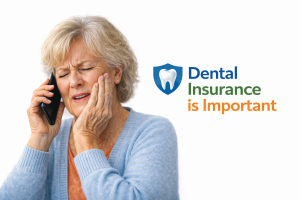
Managing Dental Costs on Medicare

Understanding how dental coverage works with Medicare can feel daunting, but it is important for managing costs and ensuring needed care.

Medicare itself does not extensively cover dental services, so it’s helpful to explore additional options such as Medicare Advantage plans, which may include more comprehensive dental benefits.

Knowing what’s covered and what isn’t helps prevent unexpected costs. This page aims to simplify these details, offering clear insights into how Medicare interacts with dental insurance and what steps you can take to find fitting coverage for your needs.

Key Highlights

  • Original Medicare does not cover most dental services, leading seniors to seek other insurance options.
  • Medicare Advantage plans may include dental benefits, but coverage and costs vary greatly.
  • Standalone dental plans offer more flexibility and can cover both preventive and major dental services.
  • Seniors should compare Medicare Advantage and standalone dental insurance to manage costs effectively.
  • Exploring supplementary plans or dental discount programs can help fill coverage gaps left by Medicare.

Compare Dental Plans

Understanding Medicare and Dental Benefits

Medicare, a vital health resource for many seniors, often leaves folks puzzled about dental coverage. While it plays a crucial role in health care, its impact on dental insurance is limited.

Understanding the nuances between Medicare and dental benefits is crucial, especially for those relying on it. Original Medicare doesn’t cover most dental care needs, and even Medigap plans do not extend dental coverage.

Medicare Advantage, however, may offer more comprehensive dental plans. As we delve into Medicare’s role and the key differences in dental plans, you’ll see avenues to manage dental costs more effectively.

Exploring Medicare's Role in Dental Care

Medicare plays a significant part in the healthcare landscape for seniors, but when it comes to dental care, its role is fairly limited. Original Medicare, which includes Part A and Part B, primarily covers hospital and medical insurance but stops short of providing dental benefits.

This means services such as regular check-ups, cleanings, fillings, and other dental procedures aren’t typically available under Original Medicare. Seniors often find themselves surprised to learn that even with Medigap, which supplements Medicare, there is no provision for dental coverage.

This reality necessitates exploring alternatives like dental insurance plans that specifically cater to seniors’ needs.

While Medicare Advantage, or Part C, emerges as a potential solution, providing a pathway to better dental coverage, it’s crucial to understand its specifics. Medicare Advantage plans are offered by private insurers and may include additional health benefits, dental care being one of them.

These plans can cover preventive services such as cleanings and X-rays, and sometimes more complex dental care, depending on the plan. Medicare-covered dental options under Medicare Advantage vary significantly in terms of costs, covered benefits, and network restrictions, which makes comparative plan research a wise step for any senior considering this route.

Understanding Medicare’s role and limitations in dental coverage empowers seniors to make informed decisions. It’s important to investigate separate dental insurance plans or discount plans that complement Medicare.

This comprehensive approach ensures oral health care needs are met without unforeseen expenses. Seniors should also consider preventive care and regular dental visits as part of their broader health strategy, enhancing both quality of life and wellbeing.

Key Differences Between Medicare Dental Plans

The differences between Medicare’s approach to dental care and other dental insurance plans can be significant, and understanding these is crucial for seniors exploring their options.

Original Medicare doesn’t extend to dental plans, but those seeking dental benefits might find themselves exploring Medicare Advantage plans, which do offer varying levels of dental coverage. It’s here that seniors need to evaluate how these plans stack up against standalone dental insurance policies designed for dental care.

Medicare Advantage, unlike Original Medicare, allows for more comprehensive coverage yet introduces its own set of complexities. One key difference is that all Medicare Advantage plans are not created equal; they offer varying degrees of dental coverage.

For instance, some may include only basic preventive services like bi-annual exams and cleanings, while others might offer more extensive services such as fillings, crowns, and even dentures, depending on the group health details. It’s vital to verify the costs, benefits, and limitations associated with these plans, particularly as they might require using in-network providers.

Where Medicare Advantage may fall short, standalone dental insurance can fill the gap. These separate policies often allow greater flexibility in choosing dental care providers and tend to cover a broader range of services.

They can be particularly beneficial for seniors needing more extensive dental work, as they might provide wider coverage options than Medicare Advantage plans. However, one should always consider waiting periods, premiums, and out-of-pocket costs when comparing these to Medicare Advantage options.

Seniors must weigh the costs and benefits of each dental plan type to ensure their dental and financial needs are met. Consulting with a dental insurance educator or using reliable resources can guide seniors in decisions best suited for their health and budget.

Understanding these key differences not only enhances confidence in choosing the right plan but also ensures adequate dental care coverage, contributing to overall well-being.


Types of PlansDental CoverageCoverage LimitationsConsiderations
Original MedicareLimited or no dental coverage; does not typically cover routine dental care.Dental services are generally not included; beneficiaries often need supplemental policies.Consider out-of-pocket costs for any dental services and potential need for additional insurance.
Medicare AdvantageMay offer some coverage for dental services such as cleanings and exams, depending on the plan.Coverage details vary widely by plan; some services may require prior authorizations.Review plan specifics; important to understand network restrictions and out-of-pocket costs.
Standalone Dental InsuranceOften covers routine preventive care and may include basic procedures like fillings.Limits on coverage amounts and waiting periods for certain procedures may apply.Evaluate premiums vs. benefits offered; ensure desired treatments are covered.


This table provides a comparative overview of the dental coverage available through various Medicare and dental insurance plans, helping seniors navigate their options effectively.

Understanding Medicare and Dental Benefits

Original Medicare and Its Limitations

Original Medicare, composed of Part A and Part B, plays a significant role in seniors’ healthcare, but its dental coverage is quite limited. While it covers hospital and medical insurance, it doesn’t extend to dental care, leaving many surprised.

Routine exams, cleanings, and more are excluded, pushing seniors to explore alternatives. Understanding these limitations is crucial for managing expenses and maintaining oral health.

Finding the right insurance solutions to fill these gaps can help alleviate unexpected costs. Now, let’s dive deeper into what Original Medicare specifically doesn’t cover and ways to address these gaps efficiently.

What Original Medicare Does Not Cover

Original Medicare’s limitations in dental care often catch seniors off guard, as it doesn’t cover most essential dental services. This includes regular dental check-ups, cleanings, fillings, and even major procedures like crowns or dentures.

Dental emergencies often present unforeseen expenses because Original Medicare doesn’t see dental care as a covered benefit. This gap exists because Medicare primarily focuses on medical and hospital needs, classifying dental care as routine and non-essential.

Consequently, seniors face significant out-of-pocket costs for any dental work they might need. Even Medigap, which is designed to supplement Medicare, does not extend its scope to cover dental care.

This lack of coverage means that seniors need to plan carefully for their dental needs. Relying solely on Original Medicare can result in high dental bills, affecting those on fixed incomes.

Many find it necessary to explore individual dental insurance plans that offer comprehensive dental coverage specifically designed for senior care. Additionally, Original Medicare’s exclusion of dental benefits reinforces the necessity for educational resources.

Seniors and their caregivers often turn to these resources to understand the scale of what’s uncovered and the implications. Armed with this information, they’re better prepared to secure dental insurance that meets their needs.

Understanding that dental care isn’t part of what Original Medicare considers ‘covered’ is essential to prevent unexpected financial burdens. It highlights the critical need to seek external dental insurance or Medicare Advantage plans, which may offer more inclusive dental options.

Evaluating the range of Medicare Advantage plans or exploring standalone dental insurance can provide the needed protection against uncovered dental expenses, ensuring seniors don’t compromise their oral health.

How Seniors Can Fill Coverage Gaps

Seniors have various paths to bridge the dental coverage gaps left by Original Medicare. One of the most accessible options is purchasing standalone dental insurance tailored for seniors’ unique needs.

These plans typically cover preventive care, such as cleanings and exams, and can extend to more complex treatments like fillings, crowns, and even dentures. Standalone plans offer the flexibility to choose your dentist, a major advantage over some Medicare Advantage plans.

These plans enable seniors to manage dental costs without breaking the bank, often featuring premiums and costs designed with seniors’ budgets in mind.

Medicare Advantage, often called Part C, serves as another viable solution by incorporating dental benefits into broader health coverage. These plans, however, vary significantly in terms of the extent of dental coverage they provide.

While some might cover only basic preventive services, others may include more comprehensive benefits. Choosing a Medicare Advantage plan requires careful consideration of costs, covered benefits, and network restrictions.

It’s important to ensure the plan aligns with personal dental care needs and financial situations. Reviewing different plans carefully offers a broader perspective on potential savings on dental expenses.

Beyond purchasing additional insurance, seniors might consider dental discount plans, another tool that can help mitigate costs. These plans offer discounts with participating providers, reducing the fees for various services.

Though not insurance, they do offer financial relief for many procedures, from routine care to more significant dental work. Integrating these plans with other coverage can provide a cushion against high out-of-pocket expenses.

For seniors, it’s all about finding that balance between cost and care. By exploring these various options, seniors can fill the gaps originally left by Medicare, enhancing their dental health and overall well-being.

Find & Compare Plans Online

Speak with a licensed insurance agent

1-855-425-2095TTY 711

Mon-Fri: 8am-9pm ET

Medicare Advantage and Dental Coverage

Medicare Advantage plans present an enticing option for many seniors seeking dental coverage beyond what Original Medicare offers. These plans, offered by private insurers, often blend dental care into broader healthcare packages.

By understanding how Medicare Advantage includes dental insurance and analyzing its costs and benefits, seniors can make informed choices that enhance their oral health and overall wellness.

Although complexities exist, particularly regarding variations in coverage and provider networks, a thoughtful review can reveal opportunities to manage detailed dental costs more effectively.

How Medicare Advantage Includes Dental Insurance

Medicare Advantage, often referred to as Part C, integrates additional benefits like dental coverage into its offerings, distinguishing it from Original Medicare. Unlike traditional Medicare, which lacks substantial dental services, Medicare Advantage plans typically include preventive and sometimes even major dental treatments.

Preventive services such as regular check-ups, cleanings, and x-rays are often covered benefits. Some plans offer more extensive care, including fillings, extractions, and dentures.

However, the degree of dental insurance coverage can significantly vary between individual plans. It’s crucial for seniors to scrutinize each option’s covered benefits, associated dental care costs, and network restrictions before enrolling.

Understanding how dental care gets integrated into Medicare Advantage plans highlights the opportunity for seniors to lower out-of-pocket expenses while improving dental health. This integration also means that coverage details, such as which services are covered and what amounts will remain out-of-pocket, depend heavily on the chosen plan’s terms.

Since these plans are managed by private insurance groups, they’re subject to different rates and coverage limits, influencing the total pay seniors can expect. Because Medicare doesn’t standardize dental coverage within Medicare Advantage, seniors must carefully compare how these plans meet their specific healthcare needs, focusing on costs, healthcare quality, and relevant health insurance guarantees.

Enrollment in Medicare Advantage plans may offer a sense of security through included dental benefits; however, any plan’s potential benefits and limitations need attention. Seniors must verify the existence of waiting periods, the extent of dental care included, and whether preferred providers are within the network.

Thorough research is imperative to ensure out-of-pocket costs align with personal budgets. Therefore, leveraging resources like consultation from a dental insurance educator can greatly help in making these complex decisions, ensuring dental coverage aligns seamlessly with overall health and financial plans.

Weighing the Costs and Benefits

Evaluating the costs and benefits of Medicare Advantage plans is crucial for any senior considering adding dental benefits. While these Medicare Advantage plans may offer comprehensive dental coverage compared to Original Medicare, their rates and cost structures can widely differ.

Monthly premiums, deductibles, and copayments vary, impacting the total financial obligation for seniors. Understanding these elements helps create an accurate financial picture and predicts anticipated dental expenses.

As seniors compare plans, it’s essential to analyze both upfront premiums and the potential out-of-pocket costs incurred throughout the year.

A thorough analysis of Medicare Advantage’s dental benefits against standalone dental insurance can reveal which option might be more economical and beneficial. While Medicare Advantage may seem appealing due to its comprehensive healthcare coverage, standalone dental insurance often provides greater flexibility in provider selection and typically covers a broader range of dental services.

When considering Medicare Advantage, examining how dental rates fluctuate based on age, health, or location is beneficial, as these factors impact costs significantly. Additionally, seniors should consider whether the plan requires using in-network providers, as out-of-network services may not be covered or may involve higher costs.

Ultimately, the decision depends on an individual’s dental health needs, financial situation, and the relative benefits provided by each plan option. Weighing these considerations is vital to ensure that Medicare Advantage plans offer the desired dental coverage without unexpected expenses.

Seniors contemplating these decisions can benefit from non-salesy guidance by dental insurance educators who provide insights into costs, benefits, and practical strategies for maximizing Medicare Advantage dental plans. By choosing a path that aligns with personal healthcare and financial goals, seniors can confidently manage dental care costs while ensuring their main health needs are met.

To provide further clarity and assist seniors in making informed decisions, consider these essential factors when comparing Medicare Advantage plans and standalone dental insurance:

  • Assess personal dental care needs and regularity of required treatments.
  • Compare the flexibility of provider networks and service coverage.
  • Evaluate how different plans manage emergency dental situations.
  • Consider the ease of filing claims and processing reimbursements.
  • Analyze the potential changes in premiums or benefits with age.
  • Review any additional perks or services offered, like wellness programs.
  • Understand any geographic limitations impacting coverage.


This list should guide seniors in selecting dental coverage that aligns with both healthcare needs and financial considerations.

Medicare Advantage and Dental Coverage

Other Dental Insurance Options for Seniors

Seniors looking to manage dental costs effectively outside of Medicare often consider other insurance options. While Medicare provides a foundation in health care, its dental coverage is limited, prompting many to seek supplementary plans for dental care.

Exploring these options, including standalone dental insurance and discount plans, can provide broader coverage tailored to seniors’ needs. By understanding the various choices, seniors can secure dental insurance that alleviates unexpected expenses and fits their budget and health priorities.

Finding Supplementary Plans for Dental Care

When looking beyond Medicare for dental care, finding suitable supplementary plans is essential for seniors who want comprehensive dental coverage. Unlike standard Medicare, which doesn’t cover most dental needs, standalone dental insurance can fill this gap significantly.

These plans are specifically designed to accommodate dental services, from regular cleanings to more complex procedures like crowns and dentures. Supplementary dental plans usually offer flexibility in provider choice, allowing seniors to maintain relationships with trusted dental care providers without being restricted to specific networks.

This is particularly important because original Medicare doesn’t offer benefits such as preventive services or restorative procedures.

Supplementary plans can vary widely, with some focusing solely on preventive care like exams and cleanings, while others offer coverage for major dental work. Costs related to these plans, such as premiums and co-pays, are typically crafted to be senior-friendly.

Moreover, these plans might include options for sharing the cost of dental expenses, thus lowering out-of-pocket costs. It’s crucial to research these plans thoroughly to understand what benefits are specifically covered and how they align with individual dental care needs.

This approach ensures that seniors don’t face exorbitant costs, especially for unexpected dental issues.

Dental discount plans also emerge as a viable option, providing reduced rates for various services and procedures. While not insurance in the traditional sense, these plans offer immediate financial relief by lowering the cost per visit.

They can be especially useful when combined with other health insurance plans, complementing their coverage while alleviating the financial burden. Understanding how these discount and supplementary plans work alongside Medicare helps in strategizing a comprehensive health care plan.

Seniors should consider consulting with a dental insurance educator to grasp the nuances of these plans, ensuring informed decisions lead to greater savings and sustained oral health.

Other Dental Insurance Options for Seniors

Understanding Costs and Managing Expenses

Managing dental costs on Medicare requires a clear understanding of how different plans work, their limitations, and their benefits. Original Medicare focuses heavily on health needs but sadly doesn’t pay for most dental care.

For many seniors, this becomes a significant concern as dental health is a crucial part of overall wellbeing. To bridge this gap, understanding Medicare Advantage plans and their particular offerings can be beneficial.

These plans often include dental care as a covered benefit, offering a way to manage those dental expenses that Original Medicare does not address.

It’s essential to realize that not all Medicare Advantage plans are equal in their dental coverage; some might include preventive care, while others could extend to more detailed services like crowns or dentures. Thus, understanding these variations is key to managing costs effectively.

Seniors should also consider the costs associated with each plan, including premiums, deductibles, and out-of-pocket expenses, since these will influence the overall financial impact. Analyzing how each plan aligns with personal dental needs ensures careful financial planning and confidence in managing healthcare expenses.

Beyond Medicare Advantage, exploring standalone dental insurance or discount plans can offer additional avenues to manage dental care costs effectively. Standalone plans often provide greater flexibility in choosing providers and coverage for a broader range of services, which can be critical for those requiring extensive dental work.

Balancing these options against financial constraints is vital, as each comes with its own set of costs and covered benefits. Consulting resources or talking with a dental insurance educator can provide insights into managing these expenses.

Seniors can ultimately enhance their dental care strategy by examining varied healthcare plans and coverage options.

Understanding how dental coverage works with Medicare can help you manage your dental expenses more effectively. It’s important to know the differences between Original Medicare and Medicare Advantage plans. Recognize that some services require separate plans or out-of-pocket payments.

Exploring options will help you find a plan that covers what you need and fits your budget. Remember, the benefits and costs can vary, so it’s wise to research carefully. Enter your ZIP code to explore dental insurance options available in your area, as local plan offerings may vary.

Compare Dental Plans

Frequently Asked Questions

Does Original Medicare cover dental services?

No, Original Medicare, which includes Part A and Part B, does not cover most dental services. This means routine check-ups, cleanings, fillings, and other dental procedures are not generally covered.

What are Medicare Advantage plans, and do they offer dental coverage?

Medicare Advantage plans, also known as Part C, are offered by private insurers and may include dental benefits. The extent of dental coverage varies significantly by plan, so it’s important to review specific details compared to other dental plans.

How can standalone dental plans complement Medicare?

Standalone dental plans can provide coverage for preventive services and major dental work not covered by Medicare. These plans offer flexibility in choosing providers and serve as an additional option for seniors needing more extensive dental care.

What is the best approach for managing dental costs with Medicare?

To effectively manage dental costs, seniors should evaluate both Medicare Advantage plans and standalone dental insurance. It’s important to compare costs, benefits, and any network restrictions to find a plan that meets their dental and financial needs.

Are there additional options to dental insurance for seniors?

Yes, seniors can explore dental discount programs, which provide reduced rates on dental services with participating providers. While not insurance, these programs can be paired with other coverage to help manage costs.

Have Questions?

Speak with a licensed insurance agent

1-855-425-2095

TTY users 711

Mon-Fri: 8am-9pm ET

Find & Compare Plans Online

Speak with a licensed insurance agent

1-855-425-2095TTY 711

Mon-Fri: 8am-9pm ET

ZRN Health & Financial Services, LLC, a Texas limited liability company