How Seniors Choose Dental Insurance Plans

Choosing the right dental insurance plan can feel overwhelming, especially for seniors. Dental insurance is vital for maintaining oral health and managing costs for services like cleanings, fillings, and dentures.

Understanding the different plan options, such as preventive services, coverage limits, and waiting periods, is crucial. Each plan varies by coverage and location, making it essential to compare options based on individual needs.

This guide aims to simplify dental insurance choices for seniors, providing clear and supportive information to help you find a plan that fits your budget and care requirements.

Key Highlights

  • Dental insurance helps seniors manage costs for cleanings, fillings, and dentures.
  • Understanding plan options, such as preventive services and waiting periods, is crucial.
  • Insurance plans can vary in coverage and location; comparing options is essential.
  • Seniors can find plans matching their budget and care requirements through educated choices.
  • Enter your ZIP code to explore dental insurance options tailored to your area.

Compare Dental Plans

Understanding Dental Insurance for Seniors

Diving into the world of dental insurance as a senior might feel overwhelming, but understanding its fundamentals can bring clarity and confidence. Dental insurance plays a crucial role in helping seniors maintain their oral health, acting as a protective barrier against unexpected high costs.

It’s important to know what a typical insurance plan covers, why dental coverage is vital for seniors, and how to choose the right plan. By grasping these concepts, seniors can safeguard their dental health and enjoy the peace of mind that comes with well-informed decisions.


AspectDetailsConsiderations
Coverage TypesBasic, Major, PreventiveIdentify personal dental care needs
PremiumsMonthly or annual paymentsBudgeting and affordability
Waiting PeriodsTime before coverage beginsPlan accordingly for immediate needs
Network DentistsApproved providers under the planAccessibility and convenience


This table provides a clear overview of the essential factors when evaluating dental insurance options for seniors.

What is Dental Insurance?

Dental insurance is a type of health insurance designed specifically to cover the costs of general dental care and services. Similar to other health insurance plans, dental insurance provides financial protection and helps mitigate the costs associated with routine and emergency dental care.

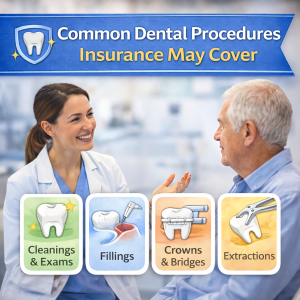
These insurance plans typically cover preventive services like cleanings and check-ups, along with more involved procedures like fillings, crowns, and dentures. Most dental plans have an annual maximum benefit, meaning they will cover plan costs up to a certain limit each year.

Understanding the scope and limitations of these plans is essential, especially when comparing different ones, like those offered by prominent providers such as Delta Dental.

Moreover, dental insurance plans often work with a network of in-network providers. This means policyholders can receive services at reduced costs when visiting these approved dentists.

It’s important to check whether your preferred dentist is part of the plan’s network. Additionally, some plans may include a waiting period before coverage starts for certain services, which is also something to consider when choosing a plan.

Senior dental insurance options may vary greatly, with each insurance company offering different levels of coverage suited to diverse needs.

For seniors, having dental insurance can significantly increase access to necessary care, reducing the financial burden of unexpected dental procedures. Although Medicare doesn’t typically include dental coverage in its basic parts, many Medicare Advantage plans do offer some level of dental insurance.

Our plans that include basic dental coverage are particularly beneficial, offering seniors peace of mind. Ultimately, understanding what dental insurance entails and the extent of coverage offered by various insurance plans is crucial to making informed choices that align with both health needs and financial capacities.

Why Seniors Should Consider Dental Insurance

Dental health is a vital component of overall wellness, especially as we age. Seniors may face unique dental challenges, including tooth loss, gum disease, and the need for dentures or implants.

These conditions not only affect oral health but can also have broader health implications if left untreated, such as impacting dietary choices or leading to infections. This is why having a senior dental plan becomes indispensable.

Insurance plans designed for seniors help offset the costs of dental services, providing financial relief and encouraging regular visits to dental care providers.

By investing in dental insurance, seniors can better manage the costs associated with both routine and unexpected dental care. With multiple insurance companies offering a variety of plans, seniors have the advantage of choosing one that best fits their health needs and budget.

Some plans are endorsed by well-known organizations like Delta Dental or are featured as part of Medicare Advantage plans, often including protective measures that seniors heavily rely on.

Additionally, selecting a plan with a broad network of providers can ensure ease of access to dental services without the concern of out-of-pocket surprises.

Beyond the financial aspects, dental insurance is a commitment to one’s health. Regular dental visits for seniors help in the early detection and treatment of dental issues, which can prevent more serious health problems in the future.

The aim is not just about cost savings but also about maintaining quality of life through good oral health practices. As each insurance company offers different levels of coverage with varying waiting periods, it is crucial for seniors to meticulously review and choose a plan that provides the right balance between benefits, coverage, and costs.

Ultimately, having dental insurance equips seniors with the tools needed to protect their dental health, ensuring they can continue to thrive.

Understanding Dental Insurance for Seniors

Types of Dental Insurance Plans

Navigating the different types of dental insurance plans is essential for seniors aiming to make informed decisions. Understanding these options helps you choose what’s best for your oral health needs and budget.

The main choices often revolve around individual and group dental insurance plans. Each type has unique features that cater to various needs and financial situations.

As you explore these options, knowing the distinct characteristics and benefits can guide you to a plan that aligns with your lifestyle. Let’s delve into the specific aspects of these plans to provide clarity and confidence.

Individual vs. Group Dental Plans

When considering dental insurance, seniors often encounter individual and group plans. Individual dental insurance is purchased independently and offers flexibility in terms of coverage and providers.

You can choose from a wide array of insurance companies, such as Delta Dental or Humana, which customize plans based on specific needs. Individual plans are ideal if you have personalized dental care requirements or if you’re self-employed.

They typically allow you to select a provider of your choice, ensuring you receive care from your preferred dentist. Group dental plans, on the other hand, are usually offered through employers or organizations.

These plans often come at a reduced rate, thanks to bulk purchasing power, which makes them more affordable. They can cover a broad range of services, from routine cleanings to more comprehensive procedures.

Although group plans might be less customizable, they provide solid coverage and are particularly beneficial if you’re part of an organization that endorses dental care.

Both individual and group plans have distinct waiting periods and coverage limits. For instance, an individual plan might have a short waiting period for preventive services, allowing you quicker access to dental care.

In contrast, group plans might offer immediate coverage as a benefit of your employment. When comparing these plans, consider what services are covered, the annual maximum benefit, and whether they’re affordable given your budget.

Consider how frequently you expect to use the services and whether a group discount offsets the limitations in provider choice. The decision ultimately rests on balancing the flexibility of individual plans with the cost-effectiveness of group plans, ensuring you choose what’s most beneficial for your situation.

Dental Plan Features

Dental plans come with a variety of features designed to meet diverse needs. Understanding these features is crucial as they can significantly influence your choice.

One primary feature is the range of services covered. Most plans involve a mix of preventive, basic, and sometimes major services. Preventive care, including cleanings and exams, is often fully covered, encouraging regular check-ups.

Basic services, like fillings or extractions, might be covered at a lower percentage, whereas major services such as crowns or dentures typically come with higher out-of-pocket costs and potential waiting periods. An important aspect to consider is the network of providers connected to the plan.

Some insurance companies, like Delta Dental, offer extensive networks that allow for greater choice and potentially lower costs when you visit an in-network provider. This can have a direct impact on access to care and overall savings.

Other features to examine include the annual maximum benefit, which caps what the insurance covers each year, and deductibles, which are amounts you pay before the plan starts to cover costs. Senior-friendly plans might specifically highlight benefits tailored for older adults, addressing common issues like periodontics or prosthodontics.

Some plans are also endorsed by organizations known for senior care, offering added trust and reliability. Moreover, insurance plans may offer varying levels of flexibility when it comes to waiting periods, which determine how soon different types of care are covered after you enroll.

Lastly, cost remains a significant consideration, with many plans structured to provide effective savings through strategic use of out-of-pocket limits and preventive care incentives. As you explore these features, make sure to compare plans carefully to find the one that aligns with your health needs and financial plans.

Find & Compare Plans Online

Speak with a licensed insurance agent

1-855-425-2095TTY 711

Mon-Fri: 8am-9pm ET

Coverage Options in Dental Insurance

When seniors explore dental insurance, understanding the diverse range of coverage options is key to making informed choices. Coverage typically spans preventive, basic, and major services, each playing a significant role in maintaining oral health.

Preventive services focus on regular check-ups and cleanings, whereas basic services might cover dental work such as fillings and extractions. Major services, including crowns and dentures, often come with different levels of coverage.

Selecting a dental plan that combines these aspects can lead to substantial savings and ensure thoroughly cared-for dental needs. Evaluating these options helps seniors protect their health without financial strain.

Preventive and Basic Services

Preventive services in dental insurance are designed to catch issues early and keep your oral health in check. This includes routine cleanings, exams, and X-rays, often covered with no or minimal out-of-pocket costs, depending on the plan.

These services are crucial because they help avoid more expensive treatments later on, aligning with the philosophy of “prevention is better than cure.” For seniors, preventive care is not just about maintaining dental wellness but also about enhancing overall health by preventing complications that can arise from untreated conditions.

While some insurance plans have no waiting period for these preventive services, it’s important to read the fine print since this can vary by provider. Basic services tend to cover treatments like fillings and extractions, usually at a percentage of the total cost.

This means you might pay a portion of the expense, while the insurance covers the rest. Coverage for basic services can vary widely between insurance companies, such as Delta Dental and Humana, each offering different benefits.

It’s essential to compare how these services are covered across different plans. As you look into insurance options, consider the frequency and types of dental work you require.

Plans with broader coverage for basic services may initially appear more costly, but they often provide greater financial protection in the long run, particularly if you have ongoing dental issues. Lastly, when choosing an insurance plan, evaluate not only the cost but also the quality of services.

Check if your preferred providers are within the plan’s network, as going out-of-network can significantly increase your expenses. Some plans entice with attractive coverage options but limit provider availability.

Ensure your chosen plan aligns well with your dental history and future needs. By understanding the depth of coverage offered by preventive and basic services, seniors can confidently navigate their insurance options, leading to choices that promote both health and savings.

Major Services: Crowns, Dentures, and More

Major dental services often involve more complex and costly procedures, such as crowns, bridges, and dentures. For seniors, these are common as teeth naturally age and may require significant attention.

Coverage for major services varies considerably across plans. While preventive care may be almost entirely covered, major services can require a substantial out-of-pocket contribution.

For instance, some plans might cover 50% of the cost for crowns, leaving the remaining balance to the insured. This underscores the importance of carefully examining the details of what each insurance plan entails before making a decision.

Most plans also include a waiting period for major services, which means coverage doesn’t kick in immediately upon enrollment. This waiting period can range from a few months to a year, depending on the provider.

Insurers like Delta Dental and Humana have specific rules around this, so it’s crucial to check these details if you anticipate needing major work soon after your insurance starts. The presence of a waiting period helps manage risk for insurance companies, preventing new enrollees from signing up solely to pay for big-ticket procedures and then cancelling afterward.

Coverage for dentures and similar prosthodontic work might also be restrictive, with caps on costs that the insurance will cover each year, known as annual maximums. This is why it is critical to not just focus on the headline coverage numbers, but also on the subtleties of how costs are divided between you and your insurer over time.

Additionally, consider the long-term financial implications of these coverage limitations, particularly if you foresee multiple procedures over several years. To ensure you’re making the best choice, compare coverage details thoroughly.

Research if your plan allows seeing your current dentist or if you’ll need to select a new provider from a different network to take advantage of savings. Ultimately, choosing a plan that offers good coverage for major services will protect you from exhausting your savings on dental costs, preserving financial stability in the long term.

Coverage Options in Dental Insurance

Comparing Dental Insurance Providers

When choosing dental insurance, the variety of providers can seem overwhelming. Understanding how to compare these providers is essential for making the best decision.

Evaluating companies like Delta Dental or AARP’s insurance plans can help you understand what benefits and coverage options are available. This process involves examining the specific services each company endorses and how they align with your dental health needs, especially in terms of costs and provider networks.

Let’s explore how to effectively evaluate and compare these prominent dental insurers to ensure you’re selecting the most suitable plan.

Evaluating Delta Dental

Delta Dental stands out as one of the most recognized providers in the dental insurance landscape, known for its expansive network and comprehensive insurance plans. When evaluating a company like Delta Dental, look closely at the specific benefits they offer.

Their plans typically cover an impressive range of preventive and basic services, which are crucial for maintaining regular oral health. The real value shines in their extensive network of providers, which allows you to select from numerous dentists, making it easier to continue seeing your current dentist or find a new one without the concern of extra costs.

A key aspect of Delta Dental is its structured plan offerings that cater specifically to seniors. These plans often come with competitive annual maximums and savings on out-of-pocket expenses for major services like crowns and dentures.

However, understanding the financial aspects, such as deductibles and annual coverage limits, is crucial. It’s beneficial to compare these with your anticipated dental expenses to determine if the savings justify the premium cost.

Another significant aspect of evaluating Delta Dental, or any insurance company, is considering the waiting periods for various services. Delta Dental’s plans might include immediate coverage for cleanings, but major procedures often require a waiting period.

This plan structure is pivotal in managing costs effectively. Assess if the overall benefits of choosing a Delta Dental plan, combined with their share in dentist networks across different locations, match your current and future dental health needs.

Comparing detailed aspects like these will empower you to choose a plan that aligns well with both your financial expectations and health priorities.

How AARP Dental Insurance Compares

AARP’s dental insurance plans, often in partnership with major insurers like Delta Dental or Aetna, offer a unique angle, particularly for seniors mindful of affordability and comprehensive coverage.

When comparing AARP’s offerings, it’s noteworthy that their plans frequently combine features tailored explicitly for older adults, such as including specific coverages for procedures more commonly needed as we age.

One of the primary advantages of AARP dental insurance is the potential for lower costs, achieved through group purchasing power and strategic endorsements. These plans tend to cover preventive services with no waiting period, presenting immediate value to new members.

However, for more extensive work, such as crowns or dentures, there might still be a waiting period, akin to other providers. The plans generally feature broad networks, which means seniors have considerable choice in picking providers or sticking with trusted dentists.

This flexibility is a cornerstone benefit for those who prioritize seeing a familiar face or requiring specific dental care not broadly available.

Additionally, AARP plans may offer varying levels of coverage, from affordable basic plans to more comprehensive options, including coverage for major services with modest copays. When comparing these plans, it’s important to examine not only the premium costs but also the total potential out-of-pocket costs over the year, given how frequently you expect to engage in dental services.

Finally, understanding how well the coverage aligns with personal health predictions and budget is crucial. Exploring insurance options through AARP can provide a blend of affordability, thorough coverage, and trust, owing to its long-standing reputation among seniors.

Comparing Dental Insurance Providers

Important Considerations for Seniors

Choosing dental insurance can be daunting for seniors, but there are key factors to consider that simplify the decision-making process. It’s crucial to evaluate the waiting period for services and understand how to choose a plan that fits your unique needs.

Dental plans vary greatly, offering different levels of benefits, coverage stages, and costs. A thorough understanding of these elements helps you make confident, educated choices.

With the right approach, seniors can find a plan offering protection, savings, and health benefits that support long-term oral health.

Understanding Waiting Periods in Dental Plans

The concept of waiting periods in dental insurance plans can be puzzling, but it’s an essential part of understanding how these insurance policies operate. A waiting period is the time between the start of your policy and when you can access certain services.

It’s not uncommon for major services like crowns, dentures, and complex restorative work to require a waiting period, often ranging from a few months to a year. Insurance companies, including major players like Humana and Delta Dental, use these waiting periods to mitigate the risk of policyholders signing up solely because they have an impending, costly procedure scheduled.

This approach allows insurers to maintain sustainable finance models, ensuring they can continue providing coverage at competitive rates over the course of a year.

It’s essential to recognize that not all services come with a waiting period. Many insurance plans are designed to enable immediate access to preventive care, such as cleanings and check-ups.

This ensures that your preventive needs can be met without delay, helping to maintain your dental wellness effectively. Some companies might even offer basic services without a waiting period under specific plans.

However, it’s crucial to read the fine print, as terms vary widely from one insurance company to another, influencing how quickly you can utilize your coverage and what protection you’re entitled to early on in your policy tenure.

When evaluating dental plans, especially as seniors looking for maximum health benefits, consider how these waiting periods might impact your plan choice. If anticipated dental needs include immediate or short-term major care, look for plans with reduced waiting periods or special allowances for certain services.

Balancing the waiting periods against the plan’s overall benefits, coverage, and affordability is key to making an informed choice that meets both immediate needs and long-term goals. Understanding these nuances in plan structure allows seniors to optimize their dental health strategy, ensuring they remain economically savvy while gaining access to needed care.

How to Choose the Right Plan for Your Needs

Selecting the right dental insurance plan demands careful consideration of personal health needs, budget constraints, and the various offerings available. For seniors, this choice is especially critical as it affects not only dental health but overall well-being and financial peace of mind.

Start by listing your typical dental care needs and consider any anticipated procedures, like crowns or fillings, and how frequently you see the dentist. This inventory helps establish a baseline for the type of coverage you’ll require, guiding your search towards plans with appropriate benefits and protection levels.

Once you’ve assessed your needs, examine the coverage details for different dental plans. Pay close attention to the types of services covered, such as preventive, basic, and major.

Plans from insurers like Humana might offer distinct packages with varying levels of coverage for each type of service. It’s important to consider both immediate and long-term needs, looking at factors such as the annual maximum benefit and whether these plans include your preferred in-network providers, which can lead to significant savings.

After narrowing down practical options, compare the costs associated with each plan, consider premiums, deductibles, and copayments. Evaluating how these costs balance against the offered benefits and coverage can reveal which plans offer the best value.

Some plans may appear affordable upfront but have higher out-of-pocket costs over time, impacting long-term savings. Plans from companies like Delta Dental or those endorsed by well-known organizations may offer comprehensive yet affordable coverage, striking a balance between cost and quality.

Finally, take into account the customer service reputation and support provided by the insurance company, as ongoing support can be invaluable, especially when understandings around coverage vary. By taking a comprehensive approach, evaluating needs, comparing costs, and assessing service quality, seniors can confidently choose a dental insurance plan that aligns with both their health requirements and financial capacities.

This meticulous selection process equips them with a plan that safeguards their dental health while ensuring peace of mind and optimizing savings.

Considering these critical steps can aid in your decision-making process, here are additional factors to evaluate when selecting dental insurance:

  • Check if the plan allows you to retain your current dentist.
  • Evaluate the network size and availability of specialists.
  • Analyze the waiting periods for different types of dental services.
  • Review if orthodontic procedures are covered, even partially.
  • Investigate the flexibility of switching plans if needs change.
  • Understand terms for emergency or out-of-area dental treatment.
  • Assess online management tools and resources offered by the insurer.


These pointers can further streamline your decision, enhancing satisfaction and maximizing coverage benefits.

Choosing the right dental insurance plan can seem confusing, but understanding the options available helps in making an informed decision. Consider your dental needs, budget, and the types of services you may require, like preventive care, fillings, or dentures.

Compare plans carefully, noting differences in coverage and costs. Always check if your preferred dentist is in the network to avoid surprises.

Enter your ZIP code on our website to explore options tailored for your area. This can guide you toward a plan that suits your needs and provides peace of mind.

Compare Dental Plans

Frequently Asked Questions

Why is dental insurance important for seniors?

Dental insurance helps manage costs for dental services like cleanings, fillings, and dentures, which are crucial for maintaining oral health. Regular coverage can protect seniors from unexpected expenses and promote overall wellness.

What should seniors consider when choosing a dental insurance plan?

Seniors should evaluate their dental needs, consider the types of services covered, compare costs, and check if their preferred dentist is in-network. This ensures the plan aligns with both their health needs and financial situation.

What are waiting periods in dental insurance plans?

A waiting period is the time between when your policy starts and when certain services are covered. Major services often require a waiting period, which can range from several months to a year, depending on the plan.

How can seniors find dental insurance options tailored to their area?

Seniors can enter their ZIP code on Dentalinsuranceforsenior.org to explore dental insurance options tailored to their specific location. This helps identify plans that suit personal needs effectively.

What types of services are typically covered by dental insurance plans?

Most plans cover preventive services like cleanings and exams. Basic services may include fillings and extractions, while major services cover crowns, bridges, and dentures. The extent of coverage varies by plan.

Have Questions?

Speak with a licensed insurance agent

1-855-425-2095

TTY users 711

Mon-Fri: 8am-9pm ET

Find & Compare Plans Online

Speak with a licensed insurance agent

1-855-425-2095TTY 711

Mon-Fri: 8am-9pm ET

ZRN Health & Financial Services, LLC, a Texas limited liability company