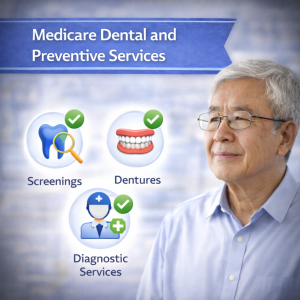
Comparing Medicare Advantage Dental Plans

Navigating Medicare Advantage dental plans can be daunting, especially for seniors seeking suitable coverage options. Understanding what each plan offers, from preventive services like cleanings and exams to more involved treatments such as crowns and dentures, is crucial.

With various plans available, assessing costs, benefits, and coverage limitations becomes vital in making an informed decision about dental insurance. This webpage guides seniors through comparing these plans, helping to ensure they find one that aligns with their needs and budget.

Enter your ZIP code to explore dental insurance options in your area and gain clarity on available choices.

Key Highlights

  • Medicare Advantage plans often include dental benefits, unlike Original Medicare, enhancing comprehensive healthcare coverage.
  • Common Medicare Advantage dental services cover exams, cleanings, and sometimes fillings, helping seniors maintain oral health.
  • Seniors should compare plan specifics, networks, and costs to align dental coverage with their healthcare needs.
  • Examining provider networks is crucial as they affect service access and could lower out-of-pocket expenses.
  • Utilize online tools and enter your ZIP code to explore Medicare Advantage options tailored to your location.

Compare Dental Plans

Understanding Medicare Dental Coverage

Medicare coverage can be a complex topic, especially when it comes to dental services. Original Medicare, the federal health insurance program primarily for seniors, typically covers health-related needs.

However, when exploring dental insurance, it becomes clear that there are distinct differences in coverage.

We’ll dive deep into what dental services are typically included in Medicare plans and where exceptions might apply, helping to demystify this essential aspect of healthcare for those navigating dental insurance in their senior years.

What Medicare Covers for Dental Services

Medicare, an essential component of senior healthcare, doesn’t directly include dental coverage in its basic benefits. Original Medicare, covering Part A (hospital insurance) and Part B (medical insurance), primarily focuses on medical needs and not routine dental care.

This means that everyday necessities like cleanings, checkups, fillings, and other typical dental services are not usually part of the package. It’s important to understand these limitations, particularly for seniors trying to navigate their dental insurance options.

Medicare will cover dental services in specific situations, usually when dental care is integral to a larger health-related procedure. For instance, if you’re in an accident and dental surgery is necessary to reconstruct your jaw, Medicare might cover this service under Part A due to its hospital-related nature.

Similarly, if dental exams or other related services are needed to prepare for major surgeries, such as heart valve replacements, Medicare may stretch its coverage limits to include these. Understanding these nuances can help seniors plan for unexpected dental expenses, aligning their expectations with what Medicare actually covers.

Creative solutions like Medicare Advantage plans can bridge this gap. These plans, also known as Part C, are offered by private insurance companies and must cover everything Original Medicare does, but usually with added benefits, which may include routine dental care.

These plans vary widely, meaning some might offer more comprehensive dental coverage than others, thereby requiring careful comparison. Seniors looking for dental-specific coverage under Medicare should explore these options, considering how each plan’s dental coverage complements their healthcare requirements.

Navigating Medicare’s coverage landscape is crucial, particularly as it pertains to dental care. By understanding where Original Medicare stands and exploring additional options like Medicare Advantage, seniors can make informed decisions about their dental insurance needs.

This knowledge is empowerment, enabling more strategic and confident healthcare decisions. Always remember, careful comparison and understanding of the plan details can significantly impact your dental wellness and financial wellbeing.

Exceptions in Medicare Dental Coverage

The exceptions in Medicare’s dental coverage primarily revolve around instances where dental health intersects significantly with overall health. As previously mentioned, Original Medicare often doesn’t cover routine dental procedures.

However, when dental care becomes medically necessary as part of another covered procedure or condition, coverage exceptions might be made. These situations are rare but crucial to understand for those weighing their dental insurance choices.

One significant exception to note is inpatient care associated with dental procedures. If a hospital stay is required because of a dental condition, Part A may cover the costs of the hospital services, although it will not typically cover the dental treatment itself.

Similarly, if you have a condition that involves surgical intervention, such as treatment for jaw bone fractures, Medicare might step in to cover certain medically necessary dental services. For those exploring the breadth of their dental coverage options, Medicare Advantage plans offer a pathway to potentially more inclusive dental care.

These plans vary significantly, often including benefit options for dental services that Original Medicare doesn’t cover. It’s essential for seniors to understand the specifics of these plans, as the details can affect everything from preventive care to complex dental procedures.

For peace of mind and comprehensive coverage, seniors should consider their healthcare needs holistically, ensuring their chosen plan fits their medical and dental care requirements. Examine plan options closely, and consult with healthcare providers about how dental care needs interact with other aspects of health coverage.

Recognizing and understanding these exceptions can aid in making informed decisions about required coverage, ensuring a balance of healthcare needs without unexpected expenses.


Plan/ComponentRoutine Dental CoverageCoverage ExceptionsAdditional Options
Original Medicare (Part A & B)Not coveredCoverage for dental services in specific medical scenarios, such as jaw reconstruction due to an accidentConsider standalone dental plans or Medicare Advantage for routine coverage
Medicare Advantage (Part C)Often included, varies by planCoverage limitations and scope differ across plans; some might not cover comprehensive dental needsReview individual plans for extent of dental benefits
Standalone Dental PlansAvailable, typically covers routine cleanings and examsVaries, certain services may be excluded or limitedOffered by private insurers, tailored to specific needs
Medicaid (State-based)Varies by state, often includes some preventive servicesMight exclude extensive dental work or only cover specific demographicsCheck state-specific Medicaid programs for detailed coverage


This table clearly outlines the nuances of Medicare’s approach to dental coverage, highlighting opportunities and exceptions for senior healthcare planning.

Understanding Medicare Dental Coverage

Introduction to Medicare Advantage Plans

Medicare Advantage plans can be an attractive option for seniors seeking dental insurance. Unlike Original Medicare, these plans often include additional benefits such as dental, vision, and hearing coverage.

Managed by private insurance companies, Medicare Advantage plans provide similar hospital and medical insurance as Original Medicare but usually come with added offerings.

Understanding these differences can help seniors in selecting the most suitable dental plans tailored to their needs, providing comprehensive healthcare coverage under one umbrella.

How Medicare Advantage Differs from Original Medicare

Understanding the distinctions between Medicare Advantage and Original Medicare is essential for seniors seeking dental insurance. Unlike Original Medicare, which is primarily focused on hospital (Part A) and medical insurance (Part B) without the inclusion of routine dental care, Medicare Advantage plans are often marketed as an all-in-one option.

These privately managed plans must cover everything that Original Medicare covers, but they can also include prescription drug coverage, known as Part D, and other benefits like dental, vision, and hearing, a significant draw for those seeking comprehensive health plans.

One major distinction is the way these plans are administered. Original Medicare operates on a fee-for-service basis, allowing seniors to visit any doctor or healthcare provider that accepts Medicare.

In contrast, Medicare Advantage plans generally operate through a network of providers, such as Health Maintenance Organizations (HMOs) or Preferred Provider Organizations (PPOs). This network-based approach can limit provider choices but might offer lower out-of-pocket costs for seniors willing to work within the network.

This trade-off is crucial to understanding how your coverage might play out in real-world scenarios, particularly when dental services are needed.

Additionally, Medicare Advantage offers flexibility in plan variety and coverage, often tailored to meet diverse healthcare and financial needs. Plans can include annual out-of-pocket limits, which might help protect seniors from high healthcare costs that Original Medicare does not cap.

This financial predictability can be a considerable advantage for seniors managing tight budgets, especially when dental procedures, which can become costly, are involved. Under Original Medicare, once you’ve met the deductible, you’re generally responsible for a portion of each service cost without an annual cap on what you might pay.

For a comprehensive overview, let’s consider how Medicare Advantage plans handle dental coverage. Some plans offer preventive services like cleanings and exams as part of their standard benefits, which are attractive advantages compared to the limited or singular cases Original Medicare might cover.

More elaborate dental care, such as fillings, crowns, dentures, and implants, is often subject to the specific plan terms. Depending on the plan, there might be requirements such as prior authorizations, selecting in-network providers, or waiting periods, factors that aren’t directly associated with Original Medicare.

Understanding these facets is key to determining if Medicare Advantage can truly provide the dental benefits you seek while ensuring other healthcare needs are met satisfactorily.

Benefits of Choosing Medicare Advantage Plans

Exploring Medicare Advantage plans for dental insurance offers an array of benefits that might appeal to seniors looking for more included services. As these plans frequently integrate services that are outside the scope of Original Medicare, they reflect a more modern approach to comprehensive healthcare coverage.

Notably, the inclusion of dental benefits within many Medicare Advantage plans stands as one of their most significant advantages, especially for seniors who aim to keep their dental health intact without purchasing a separate dental insurance plan.

Among the standout features of Medicare Advantage plans is the potential coverage for routine dental care. This often includes services like dental exams, cleanings, and X-rays, which are crucial for maintaining oral health.

Unlike Original Medicare, where dental coverage is nearly invisible except in precise medical circumstances, Medicare Advantage plans can make dental care more accessible and predictable financially.

Additionally, more extensive procedures such as fillings, root canals, and crowns might also be covered, depending on the plan specifics. Seniors should examine these benefits closely to ensure they align with individual needs and dental health goals.

A unique advantage of Medicare Advantage plans is their bundled nature. By combining the benefits of Parts A, B, and often D, seniors finding themselves in need of medications or additional medical services can see seamless benefits management.

This can be both convenient and cost-effective, especially when considering potential out-of-pocket expenses. Some Medicare Advantage plans also include gym memberships, transportation to medical appointments, and wellness programs, which support overall health beyond just dental care.

Another critical aspect of Medicare Advantage plans is their out-of-pocket maximum. This cap on expenses can be particularly helpful for seniors on a fixed income, offering financial relief compared to Original Medicare, which lacks an annual limit.

By choosing an Advantage plan, seniors can predict, to an extent, their maximum annual healthcare spending, providing peace of mind despite healthcare events.

Choosing a Medicare Advantage plan does involve trade-offs, such as potentially meeting network restrictions. Yet, if you’re keen on a plan that offers a robust dental coverage component, investing time in comparing these plans could prove beneficial.

Seniors should engage with plan providers, analyze their dental health needs, and review coverage details thoroughly. By doing so, they might find that Medicare Advantage is the broader, supportive insurance solution that meets both dental and overall health goals.

As you consider your options, enter your ZIP code at Dentalinsuranceforsenior.org to explore how local offerings might perfectly suit your healthcare needs, recognizing that costs and coverage can vary substantially by location and provider.

Find & Compare Plans Online

Speak with a licensed insurance agent

1-855-425-2095TTY 711

Mon-Fri: 8am-9pm ET

Types of Dental Coverage in Medicare Advantage

Medicare Advantage plans present a compelling option for seniors who need coverage beyond what Original Medicare offers. These plans often include an array of dental benefits, distinguishing them from the basic coverage of traditional Medicare.

Exploring the types of dental services typically covered by Medicare Advantage, it becomes evident how varied these plans can be.

Delving into common services covered and potential exclusions, Medicare Advantage facilitates a more comprehensive understanding for seniors seeking adequate dental insurance, while also highlighting the limitations they should anticipate regarding unsupported procedures.

Common Services Covered by Medicare Advantage

Medicare Advantage plans are attractive to seniors primarily because they often include coverage for dental services that Original Medicare doesn’t cover. These plans frequently offer benefits for routine dental care, a significant benefit given how maintaining good oral health aids overall health.

Common services that Medicare Advantage plans typically cover include regular exams and cleanings. These preventive services are crucial as they help detect dental issues early, reducing the need for more extensive and costly procedures down the line.

Moreover, many plans might include X-rays, which aid in diagnosing issues invisible to the naked eye. By covering these foundational services, Medicare Advantage plans offer seniors the chance to take control of their dental health in a financially manageable way.

In addition to preventive care, some Medicare Advantage plans extend their coverage to restorative procedures. This can include services such as fillings and extractions, which are integral to managing dental health effectively.

For seniors, addressing cavities and decay promptly is vital, not only for comfort but also because neglecting these conditions can lead to more severe health effects. For instance, untreated dental issues can escalate into infections, which are particularly concerning for seniors with compromised health.

Medicare Advantage’s broader coverage helps mitigate these risks by providing access to essential restorative treatments.

Aside from routine and restorative services, more comprehensive Medicare Advantage plans may cover procedures like crowns, root canals, and even dentures. Coverage for these services, however, can vary significantly between plans, making it imperative for seniors to carefully review the specifics of each plan they consider.

For instance, while one plan might include partial coverage for dentures, another might offer more substantial support, including coverage for dental implants. This variability underscores the necessity for prospective enrollees to align their dental health needs with the offerings of their chosen plan.

It’s also worth noting that Medicare Advantage plans can sometimes cover emergency dental care, a valuable feature considering the unexpected nature of dental emergencies. Mishaps like a cracked tooth or sudden oral pain necessitate prompt attention, and having a plan that covers emergency care can alleviate the stress associated with sudden expenses.

For seniors living on fixed incomes, this reassurance is invaluable. Finally, while Medicare Advantage plans aim to broaden coverage beyond Original Medicare, it’s crucial for seniors to remain informed about the scope of covered services, including any potential in-network restrictions that might affect accessibility and cost.

What Dental Procedures Might Not Be Covered

Despite the enhanced coverage Medicare Advantage plans can offer, there are still certain dental procedures that might not be supported, posing potential challenges for seniors relying solely on these plans. While comprehensive in many respects, these plans typically draw the line at cosmetic dentistry, leaving services like teeth whitening or veneers uncovered.

Given these are often considered elective rather than medically necessary, they fall outside the usual offerings of Medicare Advantage plans. This is an important consideration for seniors desiring aesthetic improvements, as these out-of-pocket expenses can accumulate quickly if not anticipated.

Another area where Medicare Advantage plans might show limitations is in the coverage of complex dental procedures. For instance, while some plans may offer basic coverage for crowns, bridges, or implants, it’s not uncommon for these services to have significant restrictions.

This might include limitations on the number of implants covered or requiring higher copays or deductibles. Seniors need to be aware that such procedures, though beneficial, may exceed the plan’s coverage limits, leading to unexpected costs.

Consulting with their dental providers about potential future needs can guide seniors in selecting plans with adequate support for these more extensive services.

Orthodontic services, such as braces, are also typically not covered by Medicare Advantage plans. Since these are generally geared towards younger demographics, adults, particularly seniors, might find these benefits unavailable.

However, seniors who do require orthodontic work due to medical issues rather than cosmetic preferences should inquire whether exceptions exist within particular plans. Being proactive can help identify potential pathways for coverage, especially if these services contribute significantly to overall dental and health well-being.

Coverage for specialized treatments, such as periodontal disease management, varies across plans but is often limited. Given that periodontal health is crucial for seniors, impacts oral health directly affects conditions like diabetes and cardiovascular disease, understanding a plan’s specific coverage in this area is essential.

Seniors should not only assess the immediate cost implications but also the longer-term impact on their health if these treatments aren’t covered. Gathering this information can empower seniors to make informed decisions, ensuring their dental insurance aligns closely with their health objectives.

Ultimately, while Medicare Advantage plans bring significant advantages, understanding what isn’t covered is as crucial as knowing what is. Seniors should pair their assessment of the plans’ benefits with a thorough understanding of their limitations to avoid any surprises.

By recognizing these boundaries, enrollees can better prepare for any supplemental coverage they might need or plan for potential out-of-pocket expenses. The ultimate goal is to ensure comprehensive dental care within the constraints of your chosen Medicare Advantage plan, fostering both well-being and peace of mind.

Based on the outlined limitations of Medicare Advantage plans regarding dental procedures, here’s a list of strategies for seniors to better navigate these potential challenges:

  • Research Alternative Insurance Options: Explore supplementary dental insurance to cover procedures not included in Medicare Advantage plans.
  • Budget for Cosmetic Procedures: Set aside savings specifically for desired cosmetic dental services like teeth whitening or veneers.
  • Consult with Dental Professionals: Regularly discuss future dental needs with your provider to anticipate potential complex procedures.
  • Investigate Discount Programs: Look into dental discount plans that could lower the cost for uninsured services.
  • Plan for Orthodontic Needs: If orthodontics are necessary, explore if any medical-based exceptions apply to your situation.
  • Prioritize Periodontal Health: Ensure you understand your plan’s stance on periodontal treatments given their broader health implications.
  • Regularly Review Plan Changes: Stay informed about any adjustments in your plan’s coverage offerings annually.


By integrating these strategies, seniors can more effectively manage their dental health needs and reduce unforeseen expenses.

Types of Dental Coverage in Medicare Advantage

Comparing Dental Plans with Medicare Advantage Options

Choosing the right dental plan is crucial for seniors seeking comprehensive healthcare coverage. Medicare Advantage plans provide various options that include dental benefits. Understanding these options, including factors that influence plan suitability and the role of providers, is essential.

We’ll explore what to consider when comparing dental plans and how providers impact your choices. The goal is to equip seniors with the knowledge needed to make informed decisions about their dental care.

Factors to Consider When Comparing Dental Plans

When evaluating Medicare Advantage dental plans, it’s important for seniors to consider several key factors. One of the first elements to assess is the coverage specifics of each plan.

Although these plans generally offer broader benefits compared to Original Medicare, the extent of dental coverage can vary significantly. Some plans might only offer preventive services like routine cleanings and exams, while others may extend to more complex procedures, such as root canals or surgical extractions.

Understanding what each plan includes will help you better align your dental care needs with available options.

It’s also crucial to examine the cost structure associated with Medicare Advantage dental plans. Factors such as monthly premiums, annual deductibles, and out-of-pocket maximums can greatly affect the overall affordability of a plan.

For seniors on a fixed income, these financial considerations are paramount. Knowing how much you might pay in a worst-case scenario ensures you’re not caught off guard by unexpected expenses.

Moreover, compare the copayment or coinsurance rates for dental services, as some plans might cover a larger percentage of the service cost, reducing your expenses.

Access to a network of providers also plays a significant role in evaluating dental plans. Medicare Advantage plans typically operate within a managed care system like an HMO or PPO network.

This arrangement influences the choice of dentists and specialists you can see. Plans might offer a broader provider network in certain locations, facilitating easier access to preferred care.

It’s wise to confirm if your current dentist is in-network or if you’ll need to choose a new provider. Network restrictions can affect the convenience and cost of dental services, so understanding the provider network is an integral part of your decision-making process.

Lastly, consider any plan flexibility. Some Medicare Advantage plans might provide additional wellness benefits beyond standard dental coverage. Features like fitness programs, nutritional services, or telehealth options can enhance overall health care.

Reviewing these ancillary benefits can offer more value, encouraging a holistic approach to managing health. By weighing each factor carefully, seniors can choose a Medicare Advantage plan that aligns with their dental health goals, financial situation, and personal preferences.

With such a decision, you ensure comprehensive coverage that supports both present needs and future dental care requirements.

The Role of Providers in Medicare Advantage Dental Plans

The providers participating in Medicare Advantage dental plans significantly impact the quality and accessibility of dental care. Since these plans operate within defined networks, understanding how these networks function is vital.

These networks, composed of preferred providers, such as dentists and specialists, contract with insurance companies to offer services to plan members. Choosing a plan with a robust network ensures wider accessibility and could help lower charges for out-of-pocket expenses since in-network providers often have pre-negotiated rates with your insurer.

Many Medicare Advantage plans work with Health Maintenance Organizations (HMOs), which require members to seek care within a specific network. While this might initially seem restrictive, it often results in lower premiums and out-of-pocket costs, making it an appealing option for those not needing extensive dental work.

However, if you’re accustomed to seeing a particular dentist, verify they’re part of the network. If not, you might need to consider choosing a Preferred Provider Organization (PPO), which offers more flexibility in selecting out-of-network providers, albeit usually at a higher cost.

The provider network’s size and specialty offerings are also key when considering which Medicare Advantage plan to choose. A comprehensive network might include specialists like oral surgeons or periodontists, essential for more complex dental needs.

This matters because seniors might eventually require advanced treatments, such as gum disease management or oral surgery, making it crucial that your chosen plan can cater to these needs without requiring long travel distances or excessive costs.

Providers can also influence the amount of paperwork and authorization processes. Some plans might demand prior approval for major procedures, meaning your provider will play a crucial role in ensuring that these processes move smoothly.

Efficient coordination between your provider and the insurance plan is essential to avoid delays in urgent treatments. Understanding this aspect can help seniors prepare for potential scenarios and choose a plan that minimizes procedural hassles.

In summary, the role of providers in Medicare Advantage dental plans extends beyond being just service deliverers. They are integral to determining how well a plan suits your specific needs.

By opting for a plan with a network tailored to your dental care requirements, you ensure access to necessary services without incurring extensive costs or complications. Remember, when examining these plans, consider how provider networks align with personal health goals, convenience, and budgetary confines.

Understanding this relationship helps secure the best possible outcome for your dental health needs within the comprehensive coverage of a Medicare Advantage plan.

Types of Dental Coverage in Medicare Advantage

Exploring Dental Coverage with Aetna and Other Providers

Choosing the right dental coverage can be challenging, especially with providers like Aetna offering a variety of options. Understanding how Aetna and other providers tailor Medicare Advantage plans is essential for seniors looking for comprehensive dental insurance.

Many seniors seek plans that include more than just basic medical services, such as dental, vision, and hearing coverage. Thus, learning how these major providers structure their plans is crucial.

We’ll discuss how to use available resources to compare and review different Medicare dental plans, ensuring an informed decision that best fits your unique needs.

How to Find the Right Medicare Dental Plan for Your Needs

Finding the most suitable Medicare dental plan involves several steps. It’s not just about finding a provider like Aetna but about matching your needs with what different plans offer.

Start by assessing your dental health requirements, including routine care and potential future needs like fillings or crowns. This assessment provides a foundation for what you should look for in coverage, ensuring you focus on plans that meet both immediate and prospective dental needs.

Many seniors regret not considering these elements, so a thorough review upfront is crucial to avoid unexpected costs later.

Once you have a clear understanding of your dental needs, compare multiple plans side-by-side. Consider factors such as monthly premiums, annual deductibles, and out-of-pocket maximums.

These financial components significantly impact the affordability of dental plans. Some plans, albeit at a slightly higher premium, cover extensive services. Others might keep the monthly costs low but offer limited coverage beyond preventive care, influencing your decision based on your budget and health priorities.

One useful approach is to utilize online resources and tools that allow you to compare plans effectively. Websites dedicated to Medicare dental coverage can provide detailed comparisons, reviews, and even user feedback.

These tools can offer insights into how well each plan meets the needs of seniors, along with any pitfalls to watch out for. Understanding the limitations and benefits of each plan enables a more educated choice, refining your search to those options that truly align with your needs.

Pay special attention to the breadth of provider networks associated with each Medicare Advantage plan. Aetna, known for its extensive provider network, frequently works with HMOs and PPOs to offer flexibility ranging from in-network to out-of-network access.

The greater the provider network, the more options you have in selecting preferred dentists or specialists. If a pre-existing provider relationship is essential, verify they belong to your chosen plan’s network to avoid having to switch dentists.

It’s also wise to consider additional benefits that might come with Medicare Advantage plans. Some plans incorporate wellness programs, offer coverage for vision or hearing, or include gym memberships, adding value beyond just dental care.

These features can enhance overall quality of life, crucial for seniors aiming to maintain broader wellbeing. Evaluate how these extras fit your lifestyle, recognizing that they could tilt the decision towards one plan or another.

Finally, always review plan reviews and consumer feedback. While personal experiences can vary, general trends highlight the provider’s strengths and customer satisfaction levels.

Pay attention to common themes in reviews, such as issues with customer service or frequently covered treatments. Conducting this due diligence empowers you to make confident decisions.

After narrowing down potential plans, consider discussing options with a Medicare specialist or insurance consultant. Their expertise and ability to clarify complicated details can further ensure that you make the most balanced choice tailored to your dental, and overall healthcare, needs.

To get started on this journey, visit Dentalinsuranceforsenior.org and enter your ZIP code. This step connects you to local options, enhancing the plan comparison process with geographically relevant choices.

Remember, your location influences available plans and costs significantly, impacting coverage decisions.

By prioritizing a comprehensive review, you set the stage for selecting a Medicare dental plan that harmonizes well with your health goals and financial constraints, a vital step towards maintaining your dental health over the long term.

Exploring Medicare Advantage Dental Plans is a practical step toward maintaining oral health. These plans offer a mix of benefits that can vary depending on your location and provider.

Consider your dental needs and budget while comparing available plans. Enter your ZIP code on our site to discover the options near you. Remember, understanding each plan’s benefits and limitations ensures you make a well-informed decision.

We aim to help you feel confident about your dental insurance choices, knowing they are tailored to your specific needs and circumstances.

Compare Dental Plans

Frequently Asked Questions

What are Medicare Advantage dental plans?

Medicare Advantage plans are alternatives to Original Medicare provided by private insurance companies.

These plans usually include extra benefits such as dental, vision, and hearing coverage, which are not covered by Original Medicare. They offer comprehensive healthcare under one plan.

What dental services are generally covered by Medicare Advantage plans?

Most Medicare Advantage plans cover basic preventive dental services like exams and cleanings. Some plans may also offer coverage for more detailed procedures such as fillings, root canals, crowns, dentures, and sometimes implants, depending on the plan specifics.

How can I compare different Medicare dental plans to find the best fit?

Start by assessing your dental health needs and budget. Use online resources to compare plans side-by-side, considering factors such as premiums, deductibles, and provider networks.

Consider entering your ZIP code on sites like Dentalinsuranceforsenior.org to view local options tailored to your location.

What should I consider about the provider network when selecting a plan?

Review the list of in-network providers, especially if you have a preferred dentist. Check if your dentist is part of the network or if you need to select a new provider. Provider networks can impact cost and accessibility of services.

Are there any restrictions or limitations in Medicare Advantage dental coverage?

Yes, coverage limitations might include exclusions for cosmetic procedures such as teeth whitening or veneers, and restrictions on complex dental work. Check the specifics of each plan for details on what is covered and any potential restrictions.

Have Questions?

Speak with a licensed insurance agent

1-855-425-2095

TTY users 711

Mon-Fri: 8am-9pm ET

Find & Compare Plans Online

Speak with a licensed insurance agent

1-855-425-2095TTY 711

Mon-Fri: 8am-9pm ET

ZRN Health & Financial Services, LLC, a Texas limited liability company