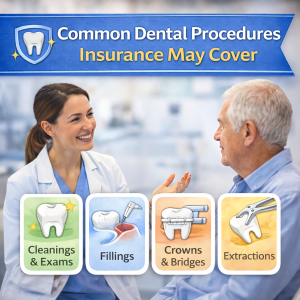
Annual Dental Benefit Limits Under Medicare

Medicare is a vital program for seniors, offering health care assistance, including some dental coverage options. Understanding what Medicare covers and the limits imposed on dental benefits is crucial.

While Medicare primarily focuses on hospital and medical insurance, certain Medicare Advantage plans may offer dental benefits. These can help with preventive services like cleanings and exams.

However, it’s important to remember that benefit limits can apply, meaning coverage for extensive procedures might be restricted. Navigating these options can be complex, but knowing the basics helps manage dental needs effectively and avoid unexpected expenses.

Key Highlights

  • Medicare often lacks routine dental coverage, requiring beneficiaries to seek additional plans for comprehensive care.
  • Medicare Advantage plans offer broader dental benefits, but they come with annual limits and network restrictions.
  • Understanding cost-sharing elements, like deductibles and copayments, is crucial for managing dental expenses.
  • Reviewing dental plans and considering additional insurance can cover gaps left by Original Medicare.
  • Exploring options, like standalone dental insurance, ensures extensive coverage for complex procedures.

Compare Dental Plans

Understanding Medicare and Dental Coverage

Unraveling the intricacies of Medicare can be daunting, especially regarding dental coverage. Though Medicare provides invaluable healthcare benefits, its role in dental care may not be as comprehensive as some expect.

Many Medicare beneficiaries find themselves questioning what dental services are covered or left out, making it essential to explore this further.

This section will delve into Medicare’s stance on providing dental services and highlight the specific dental treatments typically encompassed within its scope of benefits.

Explaining Medicare's Role in Dental Services

Understanding the role of Medicare in dental services begins with acknowledging its limitations. Medicare, primarily designed for medical and hospital-related needs, often leaves gaps in dental coverage.

Traditional Medicare, known as Original Medicare, consists of Part A and Part B. Unfortunately, under these plans, dental services are not routinely covered.

This means that many regular dental care treatments, such as cleanings and fillings, are the responsibility of the patient. Original Medicare typically only includes dental care in very specific situations, like when it’s integral to a covered service.

For instance, if you’re hospitalized, and dental treatment is necessary as part of your recovery, it may be covered. However, this is more the exception than the norm.

Many Medicare beneficiaries are surprised to find that extensive dental services are not included. Recognizing these limitations is crucial for planning both health care and financial decisions effectively.

Medicare Advantage plans, also known as Part C, offer an alternative route. These plans are bundled options provided by private insurance companies approved by Medicare.

They often include additional benefits, such as dental, vision, and hearing, which are not part of Original Medicare. Medicare Advantage enrollees may find broader dental care coverage, but specific offerings can vary widely.

Therefore, it’s important to explore various plans to understand their covered dental benefits. Always remember the network restrictions that Medicare Advantage plans entail, as some dentists might not accept these plans.

Advocacy for broader dental coverage within Medicare is ongoing, reflecting the persistent demand for more comprehensive benefits. By understanding the limitations and exploring available options like Medicare Advantage, beneficiaries can make informed decisions that best suit their dental needs and financial situation.

What Dental Services Are Generally Covered?

When it comes to understanding what dental services are generally covered under Medicare, it’s essential to note the specific circumstances where coverage applies.

In Original Medicare, coverage applies in cases where dental care is linked to a medical condition treatment, such as dental exams required before a kidney transplant or dental work associated with oral cancer treatments.

However, these instances are rare and highlight Medicare’s reluctance to cover routine dental care. It leaves a gap that beneficiaries often need to address through other means, like standalone dental insurance policies or Medicare Advantage plans.

Medicare Advantage plans are a notable exception to this sparse coverage, as they often include additional benefits, including dental. These plans may cover more routine procedures, like cleanings, exams, and sometimes even more comprehensive services like dentures or crowns.

However, each Medicare Advantage plan varies, and it’s crucial to review the specific dental coverage details each plan offers. It’s also important to assess how these benefits are structured, such as understanding if there’s an annual benefit limit or specific co-payment requirements for certain procedures.

The differentiator is accessing a wide range of dental services that go beyond emergency procedures. The extent of covered dental care and cost-sharing measures under Medicare Advantage plans can significantly influence a beneficiary’s overall healthcare strategy.

Networking rules apply to these plans, requiring beneficiaries to choose dentists within specified networks to benefit from full coverage. This can limit options, highlighting the importance of considering accessibility alongside cost.

Ultimately, by understanding what dental services are covered by Medicare and exploring alternative coverage through Medicare Advantage plans, beneficiaries can strategically plan their dental care effectively and cost-efficiently.

Understanding Medicare and Dental Coverage

Medicare Beneficiaries: What You Need to Know

Navigating dental coverage under Medicare can be tricky for many beneficiaries. While traditional Medicare often falls short on dental services, there are avenues like Medicare Advantage plans that can help bridge this gap.

Understanding how to access dental coverage and being aware of common limitations will empower you to make informed healthcare decisions. By exploring the specifics, you can ensure your dental needs are met without unexpected challenges or costs.

How Medicare Beneficiaries Can Access Dental Coverage

For Medicare beneficiaries, accessing dental coverage typically requires looking beyond Original Medicare. Original Medicare, which includes Part A and Part B, does not offer comprehensive dental services.

This gap often leads beneficiaries to seek additional dental plans to ensure they have the necessary dental coverage. One viable option for added dental benefits is Medicare Advantage plans, also known as Part C.

These plans are provided by private insurance companies authorized by Medicare and often include dental coverage as part of their benefits package. When considering a Medicare Advantage plan, it’s crucial to understand the benefits it offers, as these can vary significantly from one provider to another.

Many plans cover routine dental services such as cleanings, exams, and even more complex procedures like crowns and dentures, which Original Medicare generally doesn’t cover.

Choosing a dental plan under Medicare Advantage involves researching plan specifics and comparing the coverage offered. Network restrictions are another important aspect to consider.

Medicare Advantage plans usually require members to choose from within a network of dentists, which can impact your choice if your preferred provider isn’t included. The cost of premiums, deductibles, and copayments should also be factored in to ensure that the plan is cost-effective for your dental needs.

For services outside the network, you’ll likely face higher out-of-pocket costs.

For those who want to stick with Original Medicare but still need dental coverage, standalone dental insurance might be an option. These policies are designed to fill the gaps left by Medicare, providing more comprehensive coverage for dental services.

They can help manage the financial burden of dental care, but won’t eliminate the need to be proactive about planning and understanding potential costs. Dental discount programs are another alternative that Medicare beneficiaries might consider.

These programs offer reduced rates on dental procedures and can work alongside Medicare and Medicare Advantage plans to keep costs manageable.

Common Limitations and Exceptions in Dental Coverage

Medicare beneficiaries often face limitations and exceptions in dental coverage that can affect the overall expenses related to dental care. Understanding these constraints is essential to preventing unforeseen costs.

One major limitation is that Original Medicare itself lacks coverage for routine dental services, making it necessary for beneficiaries to look elsewhere for coverage. This can include cleanings, fillings, extractions, and other standard dental care that are simply not covered unless connected to a medical necessity detailed by Medicare.

Even with Medicare Advantage plans, which do offer dental coverage, there are typically caps on the benefits provided. Many plans impose annual limits on the amount of dental coverage, meaning once this cap is reached, beneficiaries must pay out-of-pocket for any additional dental expenses within that year.

Additionally, cost sharing is typical, with beneficiaries responsible for deductibles, copayments, or coinsurance for certain procedures. Some plans might also feature waiting periods for certain types of care, particularly for more expensive procedures like orthodontics or major restorative work.

Exceptions also come into play since every plan structured under Medicare Advantage has its set of rules. These might include specific procedures that are only covered if they meet certain criteria or are part of a bundled care package.

For instance, some dental services might only be covered if considered medically necessary, similar to how Original Medicare functions with dental care. Awareness of these exceptions is crucial for managing expectations and financial planning.

Comparing plans to understand these nuances will aid Medicare beneficiaries in selecting the most suitable option to fit their dental health needs without incurring unexpected expenses.

Medicare Beneficiaries: What You Need to Know

Exploring Advantage Enrollees and Dental Benefits

Medicare Advantage plans, also known as Part C, offer a promising alternative for Medicare beneficiaries seeking dental coverage beyond Original Medicare. Understanding how these plans can extend dental benefits is vital for beneficiaries aiming to enhance their healthcare.

This section focuses on the importance of being an informed Medicare Advantage enrollee and the specific advantages these plans provide for dental services.

With a variety of plans available, recognizing the potential advantages and coverage under specific Medicare Advantage plans can help bridge the gaps typically seen in traditional Medicare.

Importance of Understanding Advantage Plans

Diving deep into Medicare Advantage plans is crucial for anyone looking to optimize their dental benefits. These plans, which are offered by private insurance companies approved by Medicare, come with several intricacies that can significantly influence dental care coverage.

Unlike Original Medicare that limits dental services to specific medical necessity cases, Medicare Advantage plans often provide extensive dental benefits as part of their package. However, to leverage these, it’s essential that advantage enrollees understand their specific plan’s offerings and limitations.

The structure of Advantage plans involves selecting from various benefit options, each catering to different needs. Beneficiaries should meticulously review what each plan covers, focusing on services like cleanings, exams, fillings, and more complex procedures such as crowns and dentures.

Understanding the network aspect is also critical. Most Advantage plans require using a defined network of providers to maximize benefits, which emphasizes the need to verify if preferred dentists are available within the plan’s network.

Another significant element is cost-sharing structures within these plans. Advantage enrollees must be aware of premiums, deductibles, co-pays, and co-insurance.

While some plans might present appealing low-cost options, it’s important to understand the trade-offs involved, such as limited choice of service providers or stricter pre-authorization requirements for certain dental procedures. Additionally, beneficiaries should check for any annual caps on dental coverage, as these can limit reimbursement amounts for dental services within a given year.

Ensuring that the chosen plan aligns well with personal dental needs and financial considerations can save beneficiaries from unforeseen expenses down the line. As Advantage enrollees explore various plans, they should use comparison tools and consult plan representatives if necessary to gather detailed insights into the benefits offered.

This proactive approach empowers enrollees to make informed decisions and choose plans that provide adequate dental coverage without unnecessary costs.

Advantages for Dental Services Coverage

Medicare Advantage plans significantly expand coverage for dental services compared to Original Medicare, making them a valuable option for enrollees seeking comprehensive care. These plans often include benefits that cover preventive services such as routine dental exams, cleanings, and x-rays, which are usually excluded from Original Medicare.

By opting for a Medicare Advantage plan, enrollees can access a broader spectrum of dental care, aligning their health needs with their financial capacity.

A pivotal advantage of these plans is the inclusion of coverage for more extensive dental procedures. While services such as fillings, root canals, crowns, and even dentures are typically beyond the reach of Original Medicare, many Advantage plans offer these under their umbrella of benefits.

This makes Medicare Advantage not only comparably affordable for preventive services but also extends to more complex treatments, which are often necessary as we age.

Navigating these plans also involves understanding the concept of network coverage. Medicare Advantage plans operate within a network of dental care providers, which can impact access based on geographic location.

Choosing a plan that includes a broad network within a nearby locale ensures beneficiaries can receive the care they need without the hassle of long-distance travel. Confirming whether preferred dentists or specialists are part of this network is a crucial step in taking advantage of the full range of covered benefits.

Cost-effectiveness is another hallmark of Medicare Advantage plans. Although these plans might involve higher initial premiums compared to standalone dental insurance, they consolidate health and dental services under one framework, often resulting in lower out-of-pocket expenses across the board.

Nevertheless, beneficiaries must be cautious about annual caps and specific cost-sharing details that affect overall benefits. Staying informed about these dynamics helps in choosing plans that align with their desired level of dental care.

With careful examination and timely enrollment, Medicare Advantage enrollees can secure their dental needs efficiently while managing their long-term medical expenses.

To further explore the benefits of Medicare Advantage plans for dental services, consider the following key points:

  • Many plans offer coverage for preventive, basic, and some major dental procedures.
  • Beneficiaries should check for plans with extensive provider networks in their area.
  • Understanding annual coverage caps helps in evaluating potential out-of-pocket costs.
  • Different plans may have varying levels of cost-sharing responsibilities.
  • Exploring plan reviews and enrollees’ feedback can provide insights into service satisfaction.
  • It’s important to evaluate both dental and health coverage together for comprehensive care.


This list highlights important considerations when reviewing Medicare Advantage plans for dental coverage, aiding informed decision-making.

Find & Compare Plans Online

Speak with a licensed insurance agent

1-855-425-2095TTY 711

Mon-Fri: 8am-9pm ET

Annual Dental Benefit Limits Under Medicare

Exploring the boundaries of Medicare’s dental coverage can shed light on how annual benefit limits influence your dental care. Understanding these constraints helps beneficiaries make informed decisions about their dental insurance needs.

We’ll examine the limitations of annual benefits and how these limits play a crucial role in planning and managing dental care expenses under Medicare. With this insight, you’ll be better positioned to weigh your options and possibly explore supplemental coverage to meet your dental health needs.

What Are the Limitations on Annual Benefits?

When discussing Medicare dental benefits, it’s crucial to gain a clear understanding of the limitations imposed on annual benefits. Medicare itself does not traditionally cover most routine dental care.

As a result, many turn to Medicare Advantage plans to fill this gap. These plans often include dental coverage, but they do come with limitations that need careful consideration.

One significant limitation is the annual benefit cap, which sets a maximum amount the plan will pay annually for dental services. Once this limit is reached, any further dental expenses become the responsibility of the beneficiary.

These annual limits can vary widely depending on the specific Medicare Advantage plan you choose. For some, the average limit might be adequate to cover a year’s worth of preventive services like cleanings and basic exams, but it’s important to note that more extensive procedures, such as crowns or fillings, could quickly eat into this budget.

Furthermore, each plan structures its coverage differently, so it’s essential to carefully review what is included under the annual benefit. Being aware of these specifics can prevent unexpected out-of-pocket expenses.

Moreover, the concept of a benefit period also plays a role. A benefit period refers to the duration within which the annual limit is calculated.

Typically, this runs for a calendar year, resetting annually. However, understanding how your plan defines a benefit period and what it includes can be critical in maximizing your dental insurance benefits.

For individuals with ongoing dental needs, this might mean the difference between manageable outlay costs and unexpectedly high bills. Knowing how annual limits on benefits impact you can help guide decisions toward choosing supplemental insurance or even considering standalone dental plans.


Coverage TypeAnnual LimitCommon Procedures CoveredExclusionsPlanning Tips
Preventive Care$500 – $1,000Cleanings, Exams, X-RaysAdvanced ProceduresSchedule Regular Check-Ups
Basic Restorative$750 – $1,500Fillings, Simple ExtractionsMajor RestorationsBudget for Minor Restorations
Major Restorative$1,000 – $2,000Crowns, Bridges, DenturesCosmetic ProceduresPlan for Potential Out-of-Pocket Expenses
Specialty Care$1,000 – $2,500Orthodontics, PeriodonticsElective TreatmentsConsult with Specialists


This table highlights how the complexity of annual dental benefit limits evolves with different dental care needs and planning strategies.

How These Limits Affect Your Dental Care

The impacts of annual dental benefit limits under Medicare are multifaceted and can significantly influence the management of your dental care needs. First and foremost, these limits define the financial scope you have for dental services every year.

If a particular procedure, say a root canal, pushes you past this limit, you’ll be covering subsequent costs out of your pocket, which can be quite significant for major dental work. Therefore, understanding these limits is crucial for forward planning, particularly for those with recurring dental care requirements.

This financial boundary also affects how beneficiaries prioritize their dental treatments. Many may choose to focus on preventive services early in the benefit period to avoid surpassing their annual cap prematurely.

But if unexpected dental issues arise later in the year, being close to or having already reached the annual limit poses a financial strain, potentially delaying necessary treatments. This situation highlights the importance of continuous dental health monitoring and a proactive approach to planning treatments.

Moreover, annual limits can restrict access to certain technologies and advanced treatments unless additional coverage is sought. For example, some state-of-the-art dental services might be placed on hold due to their high costs, pushing beneficiaries to prioritize coverage or seek alternative insurance plans with more favorable terms.

Understanding how these limits interact with your personal dental care strategy is key to avoiding unforeseen expenses.

With informed planning, it’s possible to mitigate these impacts by integrating supplemental dental insurance, which can offer broader coverage beyond your Medicare plan to provide comprehensive care without excessive worry about costs.

Ultimately, awareness of these annual limits and their profound effect on dental care allows beneficiaries to assess their coverage needs holistically and decide if additional options, such as standalone dental plans, could bring peace of mind.

Taking a strategic approach by regularly reviewing your plan’s terms and understanding your routine and emergency dental care requirements can significantly influence how these benefit limits shape your dental experience.

Annual Dental Benefit Limits Under Medicare

Finding Suitable Dental Plans and Cost Sharing Options

Choosing the right dental plan is crucial for those seeking to balance costs and benefits effectively under Medicare. While Original Medicare rarely covers routine dental care, exploring supplemental options becomes necessary.

Cost sharing plays a vital role in determining expenses for dental services, and understanding it can aid in making informed decisions. Discovering extensive dental options can offer broader coverage, ensuring comprehensive care.

We’ll guide you through navigating these elements so you can confidently consider plans that align with your needs and budget.

Navigating Cost Sharing in Dental Plans

Cost sharing is a fundamental aspect of dental plans that Medicare beneficiaries need to grasp to manage their dental expenses effectively. Under cost-sharing arrangements, beneficiaries are responsible for paying a portion of the costs for dental services after an insurance plan has paid its share.

This includes deductibles, copayments, and coinsurance. By understanding these components, beneficiaries can better anticipate their financial responsibilities and budget accordingly for necessary dental care.

Deductibles are the initial out-of-pocket costs that a beneficiary must pay before an insurance plan starts to cover its share. For many dental plans, this can range from modest amounts to more significant ones, depending on the plan’s design.

After the deductible is met, copayments and coinsurance come into play. Copayments involve paying a fixed amount for certain services, like $20 for a dental exam, while coinsurance represents a percentage of the total cost of services.

For instance, a plan might cover 80% of the cost for a crown, leaving the beneficiary to pay the remaining 20%.

Understanding the cost-sharing structure of a dental plan helps beneficiaries choose wisely from available options. It’s essential to consider how these costs fit into the overall budget and assess the potential out-of-pocket expenses you could incur.

Reviewing different plans for variations in cost sharing can reveal differences in coverage for complex procedures such as crowns, implants, or dentures, which often involve higher out-of-pocket costs. For those relying on fixed incomes, selecting a plan with manageable cost-sharing amounts is particularly critical, as it influences both immediate and future financial health.

As you navigate the landscape of dental insurance, think about your specific needs. Are preventive services like routine cleanings and exams enough, or do you anticipate needing more extensive care?

Evaluating your past dental care patterns can help in predicting future needs and selecting plans that best cover those services without overextending your budget. Don’t shy away from asking for detailed breakdowns of what each plan covers, including copayments, coinsurance, and any restrictions that apply.

This approach ensures you make an informed choice, leading to a dental plan that provides value and protection against unexpected high dental costs.

Exploring Options for Extensive Dental Coverage

Finding comprehensive dental coverage often requires exploring beyond Original Medicare, particularly when aiming for extensive care. Many beneficiaries turn to Medicare Advantage plans or standalone dental insurance to fill gaps left by Medicare.

These options typically offer a wider range of coverage, including preventive, restorative, and even complex dental services. Understanding these choices is key to ensuring comprehensive dental care without facing prohibitive costs.

Medicare Advantage plans, provided by private insurance companies, frequently include dental benefits as part of their offerings. These plans are integrated with broader healthcare coverage, presenting a one-stop option for many seniors.

However, the level of dental coverage and the cost-sharing aspects can vary significantly between different plans. It’s crucial to evaluate what each plan covers, ranging from routine cleanings to major procedures like implants or dentures, to ensure they meet your needs.

Be attentive to network restrictions, as these plans usually require using their specified network of providers.

Alternatively, standalone dental insurance policies can be procured to complement Medicare coverage. These policies are specifically designed to cover dental care extensively and can offer more flexibility in choosing providers.

They typically include provisions for preventive, basic, and major services, which can cater to more complex dental health needs. One must assess these plans for annual benefit caps and specific cost-sharing terms, similar to Medicare Advantage but often with a broader scope for dental treatments.

Considering options like dental discount programs is another way to manage costs. These programs are not insurance but offer reduced rates on services through a network of dentists.

While they help lessen the financial burden of dental care, it’s important to evaluate how they fit into your overall dental care strategy, especially if you have chronic dental issues.

Before deciding on a plan, it’s advisable to thoroughly compare the benefits, limits, and costs associated with each option. Speaking with insurance providers and leveraging online comparison tools can clarify differences between plans and help highlight which coverages align with your dental care priorities.

Ultimately, the goal is to secure a dental plan that encompasses comprehensive services, allowing you to maintain good oral health without unmanageable expenses. With a thoughtful approach, beneficiaries can find plans that offer adequate coverage while aligning with personal and financial goals, thereby enhancing their overall quality of life.

Understanding Medicare’s role in dental care can help seniors make informed decisions about their coverage needs. While standard Medicare often excludes routine dental services, exploring supplemental options can bridge gaps in care.

Reviewing annual dental benefit limits is key to managing costs effectively. Comparing plans and considering services like dentures and implants will assist in finding suitable coverage.

With differing options available, seniors should examine their personal needs closely. Enter your ZIP code on our website to begin exploring dental insurance options tailored to your location and specific requirements.

Compare Dental Plans

Frequently Asked Questions

What kind of dental coverage does Medicare offer?

Original Medicare typically does not cover routine dental care, such as exams, cleanings, or fillings.

Dental services might be covered in specific cases when related to a medical condition. Medicare Advantage plans, however, often include additional dental benefits.

What are Medicare Advantage plans and how do they differ from Original Medicare in terms of dental coverage?

Medicare Advantage plans are offered by private insurance companies and may include dental coverage. These plans often provide broader dental services compared to Original Medicare but may come with network restrictions and annual caps.

Can Medicare beneficiaries get comprehensive dental coverage?

Beneficiaries can seek comprehensive dental coverage beyond the limited offerings of Original Medicare through Medicare Advantage plans or standalone dental insurance policies, which may cover more extensive dental treatments like dentures and implants.

How do annual limits affect my dental coverage under Medicare Advantage plans?

Annual benefit limits specify the maximum amount a Medicare Advantage plan will cover for dental services in a year.

Once this cap is reached, additional dental costs are out-of-pocket for the beneficiary. Reviewing these limits is essential for cost management.

What should I consider when choosing a dental insurance plan as a Medicare beneficiary?

Consider aspects like coverage for preventive and major services, network restrictions, cost-sharing components (deductibles, copayments, coinsurance), and annual benefit caps to ensure the plan fits both your dental care needs and budget.

Have Questions?

Speak with a licensed insurance agent

1-855-425-2095

TTY users 711

Mon-Fri: 8am-9pm ET

Find & Compare Plans Online

Speak with a licensed insurance agent

1-855-425-2095TTY 711

Mon-Fri: 8am-9pm ET

ZRN Health & Financial Services, LLC, a Texas limited liability company