Can You Add Dental to Existing Medicare Plans?

Many people wonder if they can add dental coverage to their existing Medicare plans. Navigating dental options within Medicare can be confusing, especially when understanding what is and isn’t included.

This guide is designed to help you understand how dental insurance works with Medicare, why it’s important, and what options you may have. Learn about the types of dental services that might be covered, gaps in coverage, and how to make informed decisions that fit your needs.

We aim to clarify these aspects so you can confidently explore dental insurance relevant to Medicare plans.

Key Highlights

  • Original Medicare typically excludes routine dental care, causing potential unexpected costs for seniors.
  • Medicare Advantage plans can offer dental benefits, varying widely in services like cleanings and complex procedures.
  • Standalone dental plans can complement Medicare without duplicating coverage, offering diverse dental procedures.
  • Comparing options, including location-specific plans, is essential for aligning dental coverage with personal health needs.
  • Use local resources to explore dental plans and ensure they fit both your healthcare needs and financial capabilities.

Compare Dental Plans

Understanding Medicare and Dental Coverage

Many seniors wonder if they can add dental coverage to their existing Medicare plans. Understanding how Medicare interacts with dental services is crucial, as it impacts your health decisions.

While Original Medicare, which includes Part A and Part B, traditionally doesn’t cover routine dental care, there are ways to access dental benefits through other avenues. Knowing the coverage options available for dental care is important for maintaining your oral health.

This section delves into the complexities of dental and healthcare coverage under Medicare, helping you comprehend your options for adequate benefits.

Does Medicare Cover Dental Care?

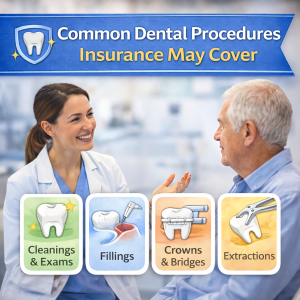
Original Medicare, comprising Part A (hospital insurance) and Part B (medical insurance), generally does not cover most routine dental services, such as cleanings, fillings, or extractions.

This lack of dental coverage under Original Medicare often surprises many seniors who might not be aware until they require dental services.

However, there are exceptions where Medicare may provide limited coverage. For instance, if dental care is necessary for a covered medical procedure, you might find that some services are indeed covered.

It’s essential to understand these nuances, as relying solely on Medicare could leave you with unexpected out-of-pocket expenses for dental needs.

Exploring dental insurance options specifically designed to complement Medicare is often advisable. These separate dental plans can offer coverage for preventive services and more extensive procedures like crowns or dentures.

Ideally, any additional dental plan should enhance your current health and healthcare coverage without duplicating what Medicare covers. Considering options such as Medicare Advantage Plans, which frequently include dental coverage as a benefit, can be beneficial.

These plans may vary in their offerings and might include anything from routine exams to more comprehensive dental care services. Assessing these options carefully ensures your dental health is adequately protected.

Understanding Medicare and Dental Coverage

Exploring Medicare Advantage Plans for Dental

Medicare Advantage plans might be a viable option if you’re considering adding dental coverage to your existing Medicare. Unlike Original Medicare, these advantage plans often include a range of dental benefits to support your oral health.

We’ll unpack how Medicare Advantage plans can offer dental coverage, focusing on what these plans can provide in terms of services and what beneficiaries need to know about enrollment. Understanding the dental benefits included can help you make an informed decision about integrating dental care with your Medicare plans.


Plan TypeDental Services CoveredNetwork RequirementsPotential Costs
HMO (Health Maintenance Organization)Basic Preventive, Some RestorativeMust use network providersLow premiums, higher co-pays
PPO (Preferred Provider Organization)Basic & Some Advanced, e.g., CrownsMore freedom, lower costs in-networkHigher premiums, flexible co-pays
PFFS (Private Fee-for-Service)Vary by plan, some preventiveAny provider that accepts plan termsVariable costs, flexible premiums
SNP (Special Needs Plan)Extensive, often including denturesNetwork usage emphasizedCosts tailored to income and health needs


This table clarifies how dental options within Medicare Advantage Plans vary, helping beneficiaries navigate their choices for comprehensive oral health coverage.

How Do Medicare Advantage Plans Include Dental?

Medicare Advantage plans, often known as Medicare Part C, are an alternative offered by private insurance companies approved by Medicare. These plans consolidate the benefits of Part A and Part B, and many also offer additional perks, including dental coverage.

The key is that each advantage plan is different, so the dental benefits can vary. Some plans might cover basic dental services like cleanings and exams, while others could extend to more complex procedures such as root canals or crowns.

This variety of coverage can significantly benefit those looking to bolster their health and healthcare strategy with dental services.

It’s important to explore the specifics of what’s offered by different Medicare Advantage plans in your area. Some plans require you to choose a primary care dentist from their network, which can impact flexibility and convenience.

It’s not uncommon for these plans to cover preventive services at no additional cost, but for more extensive dental work, like dentures or implants, there might be copays or coinsurance. Understanding these details is crucial so you can prepare for potential out-of-pocket costs.

Comparing Medicare Advantage plans offers insight into the full range of dental coverage available, making it necessary to consider your specific dental health needs and financial situation. This careful assessment helps ensure you’re selecting a plan that not only enhances your existing Medicare coverage but also provides peace of mind regarding dental care.

While wading through these options might seem daunting at first, the benefits, ranging from reduced dental bills to improved access to preventive and essential dental care, can be well worth the effort.

To effectively navigate the variety of dental benefits offered by Medicare Advantage plans, consider these key factors when evaluating your options:

  • Check if specialized procedures, like root canals, are included.
  • Verify if your preferred dentist is within the plan’s network.
  • Review potential out-of-pocket costs for major dental work.
  • Examine the plan’s coverage for preventive dental services.
  • Evaluate the extent of emergency dental care covered.
  • Look into any limitations on annual benefits or treatment frequency.


These considerations help you align a Medicare Advantage plan with your dental health needs and financial objectives.

Exploring Medicare Advantage Plans for Dental

Options for Adding Dental Coverage to Medicare Plans

Many seniors find it crucial to explore options for incorporating dental coverage into their Medicare plans, as Original Medicare often lacks comprehensive dental benefits. Fortunately, there are several pathways to enhance your healthcare coverage with dental insurance, ensuring your oral health needs are met.

Medicare Advantage plans, standalone supplemental dental, and other available types offer different levels of coverage tailored to individual requirements. Understanding these options helps you choose a plan that complements your existing Medicare benefits and addresses your specific dental care needs.

What Types of Medicare Dental Coverage are Available?

When seeking to add dental coverage to Medicare, several options can bridge the gap left by Original Medicare. One popular choice is Medicare Advantage plans, also known as Part C.

Offered by private insurance companies, these plans can include dental benefits that cover services like routine exams, cleanings, and even more comprehensive procedures such as crowns and dentures, depending on the plan you choose. Each plan’s offerings can vary significantly, so reviewing specific details is essential for determining the right coverage for your needs.

For those who prefer to keep their Original Medicare while gaining dental benefits, standalone dental insurance plans can be an appealing solution. These supplemental dental plans do not interfere with Medicare but can offer coverage for preventive care, fillings, or more extensive work like implants.

When choosing a standalone dental plan, consider factors like coverage limits, out-of-pocket costs, and network restrictions to ensure it complements your existing healthcare strategy effectively.

Some options might also include dental discount plans, providing savings on dental services in exchange for a membership fee. Although they are not insurance, these plans can help reduce costs for seniors needing frequent dental care.

No matter which path you choose, comparing different types and offers carefully can afford peace of mind knowing your dental and healthcare needs are adequately covered.

Find & Compare Plans Online

Speak with a licensed insurance agent

1-855-425-2095TTY 711

Mon-Fri: 8am-9pm ET

Comparing Coverage: Medicare vs. Medicare Advantage

Choosing between Original Medicare and Medicare Advantage involves understanding the differences in coverage, especially when it comes to dental services. Original Medicare, consisting of Part A and Part B, typically doesn’t include dental benefits.

On the other hand, Medicare Advantage often provides additional options, including dental coverage, making it a key consideration for seniors looking to protect their oral health. Exploring these options can reveal significant variations in benefits and costs.

This section highlights the critical aspects you should learn about each choice to find what best matches your health and dental care needs.

What Should You Learn About These Options?

When navigating the spectrum of Medicare coverage, a pivotal decision involves understanding the distinctions between Original Medicare and Medicare Advantage. Original Medicare, primarily focused on hospital and medical insurance, generally falls short in covering routine dental services, such as cleanings and check-ups.

As a result, seniors often find themselves exploring additional coverage to meet their dental needs effectively. This lack of inclusion highlights the importance of learning about alternative options like Medicare Advantage, which private insurers offer to include dental benefits alongside the standard offerings of Part A and Part B.

Medicare Advantage plans often appear as an attractive choice due to their broader range of services covered. They frequently come packed with benefits covering preventive, basic, and even some major dental services, like fillings, crowns, and sometimes dentures and implants, contingent on the specific plan.

It’s vital for seniors to understand these options to ensure comprehensive healthcare coverage. Research into these plans might reveal that while some cover services at substantial discounts, others may require copays or have certain limitations.

The variation in services can significantly influence your decision.

Thoroughly comparing Medicare Advantage plans helps in learning which plans best integrate with your existing health care needs while offering the necessary dental coverage. Evaluating plan types, benefits, and specific coverage details empowers seniors to make informed choices.

Remember, the goal isn’t just about adding dental coverage but enhancing overall healthcare without redundancy. Evaluating these plans based on your health circumstances, location, and financial considerations is essential.

Once you’ve familiarized yourself with these options, enter your ZIP code to explore plans tailored to your area, noting that coverage can differ by location.

Comparing Coverage: Medicare vs. Medicare Advantage

Common Services Covered Under Medicare Dental Plans

Navigating the maze of Medicare dental plans can seem daunting, but understanding what services might be included helps you make informed choices. While Original Medicare usually lacks dental coverage, Medicare Advantage plans often provide a wider scope of dental services.

These plans frequently cover an array of dental care, so grasping the specific services that might be included can aid in optimizing your dental health benefits. We’ll explore the common services covered under these plans, helping you better understand the advantages and limitations of each option.

What Dental Services Might Be Included?

Medicare dental plans, especially those included within Medicare Advantage, often encompass various services to support comprehensive oral health. Typically, these services might include routine dental check-ups and cleanings, which are pivotal in maintaining oral hygiene and preventing more serious issues.

Many Medicare Advantage plans cover these preventive services at little to no additional cost, making them a valuable addition to your health care regimen.

It’s important to remember that while a Medicare dental plan might feature an attractive package of services, each plan is unique, so details can significantly differ from one to another.

Beyond routine care, you may find that Medicare Advantage plans offer coverage for basic dental procedures like fillings and deep cleanings. These services ensure that minor issues are addressed before they escalate, which can be crucial for seniors who want to avoid larger dental bills.

In addition to the basics, some plans might extend coverage to more involved treatments like root canals or crowns. However, these services often come with copays or coinsurance fees, emphasizing the importance of thoroughly understanding each plan’s costs and benefits.

It’s also beneficial to learn whether specific plans cover advanced services such as dentures or dental implants. Coverage for these more expensive procedures can vary considerably, with some plans covering them partially to reduce out-of-pocket expenses.

Ultimately, exploring Medicare dental plans’ comprehensive features highlights how much protection they can offer against the potentially high costs of dental services.

By comprehending these options, seniors can choose a plan tailored to their unique needs, affording peace of mind. If you’re considering enhancing your coverage, entering your ZIP code to check local options offers a practical first step.

Understanding Costs and Limitations of Dental Coverage

Dental coverage, especially when layered with Medicare, can present a complex landscape of costs and limitations. Seniors often find themselves needing to grasp the full scope of dental insurance to avoid unforeseen expenses.

The intricacies of dental insurance involve understanding different types such as standalone plans, Medicare Advantage with dental benefits, and supplemental insurance. Each of these options has its own set of benefits, from covering basic check-ups to more extensive procedures like crowns or dentures.

Knowing these limitations aids in better financial planning and ensures your health care strategy accounts for unexpected dental costs.

Factors Influencing Dental Care Costs

Several variables can influence the costs of dental care under different insurance plans. One primary factor is the type of insurance, whether it’s standalone dental insurance, a plan integrated with Medicare Advantage, or another form of supplemental coverage.

How these plans structure their services, including the covered procedures and the associated copays or deductibles, significantly impacts your out-of-pocket expenses. For instance, Medicare Advantage plans might cover basic dental procedures like cleanings or fillings, often at a lower cost, but more comprehensive work could incur additional fees.

Another critical aspect is the network of dentists. Some plans require you to visit in-network providers to enjoy lower costs, while out-of-network visits might lead to higher charges.

Understanding these distinctions is crucial for maximizing your dental insurance benefits.

Location can also play an essential role in determining the costs of dental care under Medicare-related insurance. Dental plan premiums, copays, and coverage limitations can vary by state or even within regions of the same state.

It’s worthwhile to explore the coverage and costs in your specific area, ensuring that your dental plan aligns with both your health care needs and budget. Additionally, the age and specific dental health needs of the insured individual weigh heavily on the costs.

As people age, the likelihood of needing more frequent and extensive dental care increases, which may require further consideration of plan coverage limits and potential out-of-pocket costs.

Examining these factors helps you make informed decisions about the right dental coverage that aligns with your needs and your existing Medicare plan. This understanding not only aids in selecting the most suitable plan but also prepares you for realistic expectations regarding dental care expenses.

Remember, dental costs aren’t just about the premiums or monthly rates; they encompass the broader picture of what’s covered, at what price, and under which circumstances. Always consider the full scope of coverage before committing to any plan, ensuring that it effectively complements your existing Medicare and healthcare strategy.

Understanding Costs and Limitations of Dental Coverage

Finding the Right Dental Coverage for Your Needs

Ensuring your dental health is adequately protected involves understanding the dental coverage options available to complement your Medicare plans. Many seniors need additional dental coverage as Original Medicare generally doesn’t cover routine dental care.

Exploring the right dental plans means navigating through various benefits and services offered by supplementary options. From assessing Medicare Advantage plans to standalone dental insurance, seniors can find tailored plans that enhance their healthcare coverage.

By considering both the benefits and limitations of each type, you’ll be equipped to make informed decisions that suit your dental care needs.

How to Explore Dental Plans in Your Area

When searching for dental plans that align with Medicare, the first step is to explore the options available in your area. Understanding what’s available locally can significantly impact the decision-making process.

Start by evaluating the various types of plans, including Medicare Advantage plans, which often integrate dental benefits. These plans might present coverage advantages, offering services ranging from routine exams and cleanings to extensive procedures like crowns or dentures.

It’s essential to understand what each plan provides, as they can vary greatly in coverage specifics and costs.

Consider using online tools or resources like healthcare.gov to explore detailed information about the plans accessible in your region. By entering your ZIP code, you can discover a list of plans that cater specifically to your locality, complete with their benefits and any network restrictions.

This exploration is vital because dental insurance costs and coverage can differ considerably depending on your location. Additionally, provider networks may impact which dental services are offered at reduced rates, influencing your decision.

While some plans may require you to select a primary care dentist, others might offer more flexibility by covering out-of-network providers at a different rate.

Pay attention to the financial aspects of different plans, such as premiums, deductibles, copayments, and annual coverage limits. These factors play a significant role in determining the affordability and practicality of a dental plan.

It’s crucial to align the dental plans you consider with your health needs and budget constraints, ensuring they provide the necessary support without adding undue financial burden. Once you’ve gathered enough information and compared options, you’ll be better placed to choose a dental plan that strengthens your Medicare coverage while safeguarding your oral health.

Remember, a well-chosen plan not only enhances your dental services but also supports your overall health management strategy.

Understanding dental options within Medicare can give you the peace of mind needed to make informed decisions about your health. While dental coverage is not typically included in Medicare, there are ways to add it through separate plans or enhancements.

By comparing your options and considering your dental needs, you can find a plan that fits comfortably within your budget and lifestyle. Enter your ZIP code on our website to explore the available dental insurance options in your area.

Remember, dental coverage can vary widely, so it’s important to choose a plan that meets your personal and financial needs.

Compare Dental Plans

Frequently Asked Questions

Can I add dental coverage to my existing Medicare plan?

Original Medicare typically does not cover routine dental care. However, you can explore Medicare Advantage plans or standalone dental plans to add dental coverage.

These options offer varying levels of dental benefits, so it’s important to understand what each plan includes and how it fits your needs.

What dental services does Original Medicare cover?

Original Medicare generally does not cover routine dental services such as cleanings, fillings, or extractions. In some cases, Medicare may cover dental care that is necessary for a covered medical procedure.

It’s beneficial to understand these exceptions to avoid unexpected dental costs.

How does Medicare Advantage differ in providing dental services?

Medicare Advantage plans, offered by private insurance companies, often include dental coverage as part of their benefits.

These plans can offer services ranging from cleanings and exams to more complex procedures like crowns. The coverage can vary widely, so reviewing plan specifics is crucial.

What should I consider when choosing a standalone dental plan with Medicare?

When choosing a standalone dental plan, consider factors such as coverage limits, out-of-pocket costs, and network restrictions.

These plans are designed to complement your existing Medicare coverage without overlapping. Ensure the plan fits both your dental care needs and financial situation.

How can I find dental insurance options in my area?

To explore dental insurance options in your area, use online resources or tools like entering your ZIP code on Dentalinsuranceforsenior.org. This allows you to view plans that cater specifically to your locality, including the associated benefits, costs, and network restrictions.

Have Questions?

Speak with a licensed insurance agent

1-855-425-2095

TTY users 711

Mon-Fri: 8am-9pm ET

Find & Compare Plans Online

Speak with a licensed insurance agent

1-855-425-2095TTY 711

Mon-Fri: 8am-9pm ET

ZRN Health & Financial Services, LLC, a Texas limited liability company