Tips for Avoiding Unexpected Dental Costs

Dental expenses can add up quickly and unexpectedly, especially if you’re not prepared. Our Transparent Dental Pricing Guide aims to help you understand potential costs and make informed decisions.

By learning about common dental procedures and their prices, you can plan better for check-ups, cleanings, and treatments. We’ll break down the basics of dental pricing, from routine care to emergency needs, so you feel confident in managing your dental health.

Dive in to discover practical tips and insights that make navigating dental expenses easier.

Key Highlights

  • Location and provider significantly influence dental costs, with urban areas generally more expensive than rural ones.
  • Transparent pricing in dental care helps avoid unexpected bills, ensuring clarity and peace of mind.
  • Find dental providers with clear pricing to budget effectively and avoid surprise expenses.
  • Understand insurance roles in managing costs by comparing plans for different coverage and needs.
  • Establish an emergency dental fund to handle unexpected dental costs efficiently.

Compare Dental Plans

Understanding Factors That Affect Dental Cost

Dental costs can vary significantly based on several factors. Knowing what affects dental pricing helps you manage dental expenses more effectively. Location and provider play a crucial role, with costs for dental services often differing from one region to another.

Understanding these factors not only helps anticipate potential dental bills but also aids in planning a suitable treatment plan aligned with your financial capabilities.

Many factors impact the cost of dental procedures, from where you seek treatment to the specific services your provider offers. Stay informed to avoid unexpected expenses.

The Role of Location and Provider

The location of your dental practice can greatly influence your overall dental expenses. Urban areas tend to have higher dental pricing compared to rural locations due to the elevated cost of living and operating expenses.

Providers in these areas often charge more for similar treatments. Additionally, different dental practices may offer various pricing structures, increasing or decreasing transparency in dental bills.

It’s essential to research and compare providers to find one with transparent pricing that aligns with your financial situation. Knowing how different providers like urgent care centers work can further illuminate cost variances.

Each provider within a location may have distinct prices for the same services based on their overheads and specializations. Seeking information on what specific providers offer enables you to craft a treatment plan that suits your budget.

Remember, being informed about how location affects cost empowers you to make better financial decisions and leverage potential dental savings.

Understanding Factors That Affect Dental Cost

How Transparent Dental Pricing Benefits You

Understanding transparent dental pricing can greatly enhance your dental care experience. It ensures clarity, helps avoid surprise expenses, and can lead to significant financial savings.

By having transparent cost conversations with your provider, you know exactly what each dental service will cost you, minimizing unexpected bills. This transparency not only assists in planning but can also foster a stronger relationship with your provider.

As you gain more insights into how pricing aligns with your treatment plan, you’ll find peace of mind, making your dental visits much less stressful and more financially manageable.

Gaining Peace of Mind with Clear Costs

Having transparent pricing in your dental care journey plays a pivotal role in fostering peace of mind. It eliminates the anxiety of dealing with hidden fees or unexpected bills, ensuring every aspect of your dental expenses is clear.

Engaging in transparent cost conversations with your provider not only builds trust but also empowers you to make informed financial decisions. Understanding what each procedure costs upfront means you can plan and budget effectively, avoiding financial strain.

When you know the clear costs linked to each dental treatment plan, it leads to significant dental savings in the long run.

Transparency also strengthens the relationship between you and your provider. When costs are communicated openly, trust develops, and decision-making becomes easier.

This approach reduces the risk of financial surprises, thus enhancing your dental care experience. Moreover, by understanding the expense of planned treatments, you can discuss potential alternatives with your provider that suit both your dental needs and your financial situation.

Ultimately, transparent dental pricing aids in establishing a sense of security, knowing you’re prepared for any expenses without sudden surprises disrupting your financial peace.

Tips for Finding Dental Providers with Clear Pricing

Finding a dental provider with transparent pricing can mitigate unexpected dental expenses. When you know what to expect, planning and budgeting for treatments become easier.

Start by researching local dental providers and reviewing their pricing transparency. Ask them about their policies on dental expenses and clear costs upfront.

This proactive approach encourages open communication and ensures you aren’t caught off guard by unexpected dental bills. Transparent pricing also empowers you to compare treatments and find a provider that fits your needs and budget.

Questions to Ask Before Routine Visits

Before scheduling routine visits, it’s crucial to ask your dental providers specific questions about their pricing. Start by inquiring about transparent pricing for common treatments like cleanings or exams.

Ensure you understand what these services involve and if there are any potential additional costs. Clarifying these details upfront will help you avoid surprises in your dental bills.

Another essential question revolves around the treatment plan: ask if they offer detailed explanations of each procedure and its associated costs. It’s smart to ask about any flexible payment options they might offer, which can help manage your dental expenses more easily.

Requesting written estimates for planned treatments also provides clarity. This step serves as a way to engage in transparent cost discussions, opening the door to negotiation if needed.

If you’re switching providers, inquire about any first-visit costs or initial examination fees. Knowing these details helps manage your dental bills efficiently.

It’s equally essential to ask about the inclusion of preventive services, which can minimize future costs. By being proactive with questions, you ensure that the expenses remain transparent, helping to streamline your dental care journey.

This approach nurtures a better relationship with your provider by building trust through clarity and transparency, enabling you to feel confident in managing your dental care expenses.

Find & Compare Plans Online

Speak with a licensed insurance agent

1-855-425-2095TTY 711

Mon-Fri: 8am-9pm ET

Common Dental Procedures and Their Average Costs

Dental procedures can vary in cost, depending on the type of treatment you need. Understanding average costs for common procedures like fillings, crowns, and dentures can help you plan your dental expenses better.

These procedures are quite common, yet their prices can differ based on several factors, including location and provider. By knowing the typical pricing for these dental services, you’ll be more prepared to compare options and select treatments that suit your budget.

Let’s explore what each entails to offer a clearer picture of potential dental pricing.

Understanding Fillings, Crowns, and Dentures

Fillings, crowns, and dentures are essential dental treatments often needed for different oral health issues. Fillings are usually required to treat cavities, and their cost can vary based on the material used.

The typical filling material, like amalgam, is generally cheaper, while composite fillings, which blend with natural tooth color, might cost more. Crowns, on the other hand, are used to cover and protect damaged teeth.

They can be made from materials like porcelain or metal, influencing their price. Porcelain crowns tend to look more natural but may carry a higher cost than metal options.

Dentures are another significant procedure, often used when many teeth need replacing. They can be either full or partial, affecting the cost structure.

Full dentures replace all teeth in an arch, while partial dentures fit around your existing teeth. When considering these dental services, knowing their costs helps in budgeting your treatment plan effectively.

Fillings, crowns, and dentures constitute common dental procedures, but their pricing should be understood to avoid surprises. It’s wise to discuss these options with your provider, who can offer a breakdown of dental pricing to align with your financial capabilities.

Common Dental Procedures and Their Average Costs

The Role of Insurance in Managing Dental Expenses

Understanding how insurance helps in managing dental expenses is crucial for avoiding surprise dental costs. Insurance plans offer different options designed to meet your financial needs and cover a range of dental treatments.

It’s important to evaluate these plans carefully since they can vary significantly by coverage, cost, and provider options. Insurance plays a key role in reducing out-of-pocket costs for standard dental care, turning what could be unexpected expenses into manageable ones.

Learn how to choose the right insurance plans by comparing coverage and considering how each aligns with your specific dental needs.

Comparing Plans Based on Your Needs

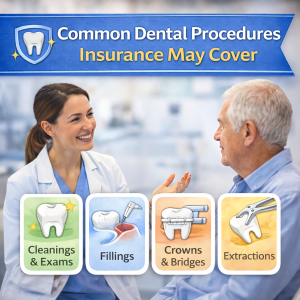
When it comes to choosing dental insurance, comparing plans is essential to ensure they align with your personal needs and financial situation. The first step is to assess the types of dental treatment you or your family may require, from preventive services like cleanings and exams to more extensive procedures such as crowns or fillings.

Once you know your needs, look at different plans on the market, paying close attention to the covered treatments and any associated costs. Many plans focus on preventive care, while others might offer extensive coverage for major procedures, so identifying what’s important to you will guide your decision.

Costs are a significant factor when comparing insurance plans, and it’s vital to understand the financial components involved. Look at the premiums, deductibles, copayments, and out-of-pocket maximums of each option to see how they fit within your budget.

Don’t forget to consider the waiting periods associated with each plan, as these can affect the timing of your access to certain treatments. Additionally, evaluating treatment options and comparing plans can help sidestep potential financial pitfalls.

You’ll find that some providers have networks that offer reduced rates for specific treatment plans, significantly impacting overall expenses.

Ultimately, by comparing plans carefully, you can choose an insurance plan that supports your dental health needs effectively. This proactive approach to selecting insurance can help manage dental expenses more efficiently, ensuring peace of mind when facing future dental care.

Always remember to review the plans thoroughly and consult with providers if necessary to clarify coverage details or costs. With the right insurance in place, managing dental expenses becomes less of a financial hurdle, aiding in maintaining oral health without unexpected costs disrupting your budget.


Coverage TypePremium CostsDeductiblesNetwork RestrictionsAdditional Benefits
Preventive CareLow to ModerateOften No DeductibleIn-network ProvidersRoutine Check-ups, Cleanings
Basic ProceduresModerateVariesPreferred Provider NetworkFillings, Simple Extractions
Major ProceduresHighHigh Deductibles may ApplyLimited Network OptionsCrowns, Bridges, Surgery
OrthodonticsHighMay Require QualificationSpecialist NetworksBraces, Aligners


This table provides a structured comparison of different dental insurance plan components. It emphasizes key factors such as coverage type, premium costs, deductibles, network restrictions, and additional benefits.

By breaking down these elements, individuals can effectively evaluate and select insurance plans that align with their unique dental needs and financial budgets.

The Role of Insurance in Managing Dental Expenses

Budgeting and Planning for Dental Expenses

Managing dental expenses can be challenging, especially when unexpected treatments or emergencies arise. To avoid surprise costs and ensure you are financially prepared, it is crucial to incorporate effective budgeting and planning strategies for dental care.

Building an understanding of potential expenses and setting up dedicated savings for dental needs can prevent financial strain. By anticipating costs through regular assessments of your dental situation and having a robust financial plan in place, you can make dental health an affordable priority in your life.

Create an Emergency Dental Fund for Preparedness

Establishing an emergency dental fund is a proactive way to prepare for unforeseen dental expenses. This fund acts as a financial buffer, providing peace of mind and readiness in case of unexpected dental emergencies.

Start by assessing your typical dental costs and monthly financial situation to determine a realistic savings goal. Consistently setting aside a small amount of money each month can gradually build a reliable safety net.

Prioritize this fund in your budgeting to ensure it’s maintained, and monitor your savings regularly to make necessary adjustments. The presence of an emergency dental fund reduces the risk of financial distress and is an essential part of comprehensive dental care management.

A well-planned fund allows you to address emergencies immediately, preventing small problems from escalating into expensive procedures.

Extend your readiness with these practical steps to maintain and optimize your emergency dental fund:

  • Review and adjust your dental fund every six months based on changes in income or expenses.
  • Consider setting up automatic transfers to your savings to ensure consistency.
  • Research potential dental expenses to refine your savings target accurately.
  • Keep your emergency fund in an easily accessible, but separate, account.
  • Assess whether secondary insurance options might complement your emergency fund.
  • Reevaluate your budget periodically to prioritize funds efficiently.
  • Educate yourself on dental care to minimize potential emergencies through prevention.


With these strategies, your emergency dental fund can remain robust and responsive to any unforeseen dental needs.

Budgeting and Planning for Dental Expenses

Choose Preventive Care First to Maximize Dental Savings

Opting for preventive care is one of the smartest strategies to maximize dental savings while ensuring your oral health remains top-notch. Preventive dental care includes regular check-ups, cleanings, and routine exams that detect potential issues early.

By identifying problems before they become major, you significantly reduce the need for costly treatments, thus keeping your financial expenses in check. When dental problems are caught early, solving them is usually simpler and less expensive.

Investing in preventive care is not just about managing dental care proactively; it’s about financial foresight too. These preventive measures are often covered more comprehensively by insurance plans, reducing your out-of-pocket expenses.

Focusing on preventive care first can help you create a solid treatment plan that aligns with your budget and avoids unexpected surprise costs associated with more severe dental issues later. By prioritizing these basic treatments, you not only maintain your health but also safeguard your savings for future needs.

By following these tips, you can be more prepared for dental expenses and make informed decisions about your dental care. Understanding transparent pricing helps avoid surprises and ensures better planning.

Consider dental insurance plans that suit your needs and budget, and don’t hesitate to discuss any questions with your dentist. This knowledge empowers you to manage your dental health confidently.

Enter your ZIP code on our site to explore dental insurance options near you, as costs and coverage can vary. Take control of your dental expenses and enjoy a healthier, worry-free smile.

Compare Dental Plans

Frequently Asked Questions

What factors influence dental expenses?

Dental expenses are influenced by several factors, including location and provider. Costs can vary significantly between urban and rural areas due to differences in living and operating expenses.

The specific services offered by a provider and their pricing structures also play a role.

How can transparent dental pricing benefit me?

Transparent dental pricing provides clarity and helps avoid surprise bills, making it easier to plan and budget for dental care. It fosters a stronger relationship with your provider through open communication and ensures you know what each service will cost.

Why is an emergency dental fund important?

An emergency dental fund helps prepare for unexpected dental expenses, providing a financial buffer and peace of mind. By saving a small amount regularly, you can quickly address urgent dental needs without financial strain.

How do different dental insurance plans cover costs?

Dental insurance plans vary in coverage, cost, and provider options. Some focus on preventive care, while others offer extensive coverage for major procedures. Comparing plans helps identify one that aligns with your needs and budget.

What role does preventive care play in managing dental expenses?

Preventive care, including regular check-ups and cleanings, reduces the risk of costly treatments by identifying issues early. It often incurs lower direct costs, making dental health more affordable and helping maintain overall well-being.

Have Questions?

Speak with a licensed insurance agent

1-855-425-2095

TTY users 711

Mon-Fri: 8am-9pm ET

Find & Compare Plans Online

Speak with a licensed insurance agent

1-855-425-2095TTY 711

Mon-Fri: 8am-9pm ET

ZRN Health & Financial Services, LLC, a Texas limited liability company