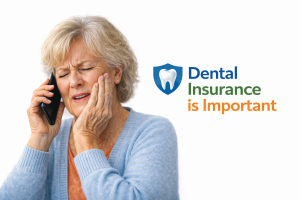
Out of Pocket Dental Costs Medicare Advantage

Exploring dental coverage under Medicare Advantage plans can be a bit puzzling, especially when considering out-of-pocket costs. Medicare Advantage often includes dental benefits that aren’t covered by traditional Medicare.

It’s essential to understand what these plans cover, typical costs involved, and how they may differ across options. Knowing the details helps you make informed choices about your dental care by comparing plans and weighing potential expenses.

Our guide aims to answer common questions, providing you with a clear, supportive path through the Medicare Advantage dental landscape, focusing on coverage options and cost variations.

Key Highlights

  • Medicare Advantage Dental often includes benefits not covered by traditional Medicare, offering preventive and complex procedures.
  • Seniors must compare plans as coverage varies by provider; understanding specifics avoids unexpected costs.
  • Out-of-pocket expenses such as deductibles, copayments, and annual maximums influence dental care choices.
  • Select in-network providers to reduce costs; confirm details to fully leverage dental insurance benefits.
  • Comparing insurance offerings helps align plan features with personal healthcare needs and financial capabilities.

Compare Dental Plans

Introduction to Dental Insurance for Seniors

Dental insurance is vital for seniors seeking affordable care options. As dental healthcare becomes more crucial with age, understanding your options can prevent unexpected costs.

Many seniors explore Medicare Advantage plans for their dental benefits, as these plans often include coverage for routine dental services. Unlike traditional Medicare, Medicare Advantage plans can offer comprehensive dental coverage tailored to seniors’ needs.

Various insurance providers, such as Aetna Medicare, provide these plans with diverse benefits. Navigating dental insurance doesn’t have to be daunting, and understanding the types of coverage available is the first step to making informed healthcare decisions.

What Is Medicare Advantage Dental Coverage?

Medicare Advantage, also known as Medicare Part C, is an alternative to traditional Medicare, offering an encompassing solution for health coverage which often includes dental insurance. One of the distinct features of Medicare Advantage dental plans is their ability to provide additional dental services that traditional Medicare does not cover.

For seniors, this can mean access to dental benefits that support preventive care like cleanings, exams, and sometimes even more complex procedures like crowns or dentures. Understanding the scope of these services is essential when considering your healthcare needs and financial planning for the future.

These plans are offered by Medicare-approved private insurance companies that compete to deliver comprehensive healthcare coverage. The flexibility inherent in these plans allows for variations in benefits; hence, the coverage can differ significantly depending on the provider.

This variance is where recognizing the specifics of each plan becomes crucial. For instance, some plans might provide extensive dental coverage, including a broad range of procedures, while others might limit coverage to basic dental healthcare.

Senior members are encouraged to thoroughly review and compare options, and even consult their healthcare providers to make informed decisions about the most suitable plan for their needs.

Among the benefits of enrolling in a Medicare Advantage dental plan is the potential for lower out-of-pocket expenses compared to traditional dental insurance. This is partly because many Medicare Advantage plans include dental insurance as part of an all-in-one healthcare package, which can simplify payment and coverage tracking for seniors.

However, it’s important to understand that even Advantage enrollees should anticipate certain out-of-pocket expenses, especially if a plan has limits on coverage amounts for specific dental services. Establishing a clear expectation of costs can significantly aid seniors in avoiding surprises during treatment.

Plan types also vary, which means seniors should evaluate how each Medicare Advantage plan aligns with their current dental needs and anticipates future care they might require. Many seniors find value in plans offered by recognized providers such as Aetna Medicare, known for accommodating a large range of dental needs and providing reliable coverage options.

This comprehensive approach ensures that seniors receive necessary dental care without the stress of high out-of-pocket costs, supporting overall well-being.

Ultimately, selecting a Medicare Advantage plan with dental coverage requires diligence and an understanding of one’s specific dental needs. Considering factors such as available dental services, network restrictions, and provider access are all essential aspects of choosing the right plan.

This knowledge empowers seniors and caregivers alike to make informed healthcare decisions that can lead to a more comfortable and confident journey in accessing necessary dental care.

This guide aims to illuminate the considerations crucial in selecting a Medicare Advantage dental plan that best suits individual needs.

  • Evaluate the variety of dental services included in the plan.
  • Check for network restrictions on dental providers.
  • Ensure accessibility to your preferred dental clinics and specialists.
  • Consider the flexibility of coverage benefits from the chosen provider.
  • Investigate any potential out-of-pocket costs associated with procedures.
  • Assess the plan’s compatibility with your current and future dental requirements.
  • Review feedback from current enrollees about their experiences with the plan.

Introduction to Dental Insurance for Seniors

Understanding Medicare and Dental Plans

Medicare is a vital part of healthcare for many seniors, especially those looking to manage dental expenses. Dental plans offered through Medicare can differ widely, creating a need to comprehend their nuances.

Medicare Advantage plans stand out by frequently including dental services that standard Medicare does not. Knowing which dental benefits are covered and how these plans function can assist seniors in making informed decisions.

Each Medicare beneficiary should explore options, assess potential out-of-pocket costs, and understand the benefits and restrictions associated with different plans.

What Are Medicare Beneficiaries Eligible For?

Medicare beneficiaries seeking dental coverage often turn to Medicare Advantage plans, which go beyond what traditional Medicare offers. These plans, aiming to provide more comprehensive dental insurance, are popular among seniors due to their broader coverage options.

Medicare Advantage plans, also referred to as Medicare Part C, allow beneficiaries to access dental benefits that can include preventive services like routine exams and cleanings, as well as more advanced procedures such as dentures or crowns. While traditional Medicare primarily covers medical services, Advantage plans bridge this gap by encompassing diversified dental services within their portfolios.

For seniors, understanding the nuances of what these plans offer can enhance decision-making. Each Medicare Advantage plan varies considerably, subject to the insurance company providing it.

For instance, some plans may include extensive dental coverage, while others may concentrate on basic services. This flexibility means beneficiaries need to diligently evaluate what each plan covers.

Most plans typically offer basic dental services, but for more comprehensive procedures, it’s crucial to confirm specifics with the plan provider to avoid unexpected expenses.

Given the different types of coverage available, beneficiaries should pay close attention to the network of dentists affiliated with each plan. This is critical since using an out-of-network provider could result in higher out-of-pocket costs.

Selecting a dentist within the network ensures that members can maximize the benefits of their dental coverage without incurring significant additional expenses. The need for clear communication between the member and their plan provider cannot be overstated, especially to ensure that seniors fully leverage the advantages provided by their selected plan.

Additional benefits of Medicare Advantage plans include potentially lower out-of-pocket costs compared to standalone dental insurance. Since these plans bundle dental services as a part of an all-inclusive health coverage package, they can simplify financial planning for healthcare expenses.

However, members must be mindful of any caps on coverage and understand the specifics of their financial responsibilities. Some plans include coverage limits on certain dental services, which could mean that once a member reaches that limit, further services might be largely out-of-pocket.

Evaluating Medicare Advantage plans requires thoroughness. Beneficiaries are encouraged to compare plans from different insurance providers, taking into account factors like coverage scope and cost implications.

It’s advisable to reach out to providers directly for precise plan details to ensure the plan aligns with individual needs and preferences. This careful consideration and direct communication empower beneficiaries to make informed choices, facilitating access to the necessary dental care while minimizing unexpected expenses.

In conclusion, Medicare beneficiaries are eligible for a wide range of dental benefits, but careful selection of a Medicare Advantage plan is key to optimizing these opportunities.

Understanding Medicare and Dental Plans

Dental Services Covered by Medicare Advantage Plans

Understanding what dental services are covered under Medicare Advantage plans can guide seniors in making the right choices for their healthcare. These plans often go beyond the traditional boundaries of Medicare by incorporating dental procedures that address both preventive and advanced needs.

Coverage can vary substantially between providers, with differences in dental benefits and out-of-pocket costs directly linked to the plan type and offering. It’s crucial for advantage enrollees to review what each insurer provides to ensure that annual maximums and potential costs align with their needs.

Common Dental Procedures and Their Coverage

When evaluating Medicare Advantage plans for dental coverage, understanding the common dental procedures that are typically covered can be a significant factor. These procedures often range from routine preventive dental services, like cleanings and exams, to more complex treatments, such as fillings, crowns, and dentures.

Each procedure carries distinct considerations regarding coverage and out-of-pocket costs. Let’s delve into these categories to comprehend how they are handled under most Medicare Advantage plans and the impact on dental benefits for seniors.

Preventive dental care is the cornerstone of most Medicare Advantage dental offerings. Most plans ensure coverage for basic services such as bi-annual cleanings and check-ups.

These procedures are crucial in maintaining oral health and catching potential issues early, thereby reducing the need for more costly treatments in the future. Despite this preventive focus, it’s vital to verify with the plan provider about the specifics, as coverage can still differ based on the type of plan and the insurer offering it.

For more involved dental procedures, such as fillings or extractions, Medicare Advantage plans may offer coverage, though these are often subject to plan-specific annual maximums. An annual maximum represents the total amount the plan will pay for dental services in a year.

Once this limit is reached, advantage enrollees might need to cover additional costs themselves, which is an essential consideration when choosing the right plan. Comparing these limits across available plans can provide insight into potential out-of-pocket expenses and guide in selecting coverage that balances cost and care effectively.

Complex dental work, including crowns, bridges, and dentures, typically receives less coverage under Medicare Advantage plans compared to preventive services. These treatments are often categorized as major dental procedures, and coverage may be limited or come with higher out-of-pocket costs.

It’s important for beneficiaries to assess if their plan requires prior authorizations or if coverage is tied to network providers. This understanding ensures that seniors can access necessary treatments without unexpected financial burdens.

The choice of provider and whether they’re within the plan’s network is another critical aspect of coverage. Using an out-of-network provider can increase out-of-pocket expenses significantly.

Seniors should, therefore, prioritize plans that offer a broad network of dentists, ensuring access to needed dental services without incurring substantial additional costs. Verifying these details with the insurance company directly is an effective strategy to fully understand the benefits and limitations of a plan before enrollment.

Analyzing the coverage details for these common procedures is crucial for Medicare Advantage members. It enables a clearer understanding of the dental services included, the associated costs, and how services are covered.

By doing so, seniors can confidently explore dental insurance options, ensuring their choice aligns with their healthcare needs and financial capabilities. This informed approach not only prevents unanticipated expenses but also promotes better overall dental health, supporting seniors to lead healthier lives well into their later years.

Find & Compare Plans Online

Speak with a licensed insurance agent

1-855-425-2095TTY 711

Mon-Fri: 8am-9pm ET

Cost Considerations for Advantage Enrollees

Understanding the cost considerations is crucial for Medicare Advantage enrollees examining dental coverage. These plans often promise a comprehensive approach to dental insurance, which could influence a senior’s choice in coverage.

However, translating dental benefits into understandable terms can sometimes be tricky. From out-of-pocket expenses to intricate benefits offered by various plans, clarity is key.

Seniors often prioritize ensuring that they know all potential costs involved. Therefore, getting a grasp on these considerations can empower you to make sound decisions about your dental care and manage your healthcare expenses effectively.

Explaining Out-of-Pocket Expenses

Out-of-pocket expenses refer to the costs that enrollees pay themselves, distinct from what insurance covers. For Medicare Advantage participants, understanding these expenses is crucial in budgeting for dental services.

While Advantage plans often bundle dental insurance with broader healthcare coverage, not all dental costs are covered fully. It’s common for plans to have a deductible, which is the amount you pay out of pocket before insurance begins to cover expenses.

The deductible can vary, influencing the plan’s affordability depending on your dental care needs.

Another component is copayments, a fixed amount paid for each dental service visit. For preventive services like cleanings, the copay might be minimal, encouraging regular dental visits.

More extensive services, however, likely have higher copays and are often subject to plan details and the complexity of the procedure. It’s worthwhile to consider these costs when choosing a plan, as each visit can add up over time, influencing total out-of-pocket costs throughout the year.

Additionally, it’s important to understand coinsurance, which involves splitting the cost of care between you and the insurance provider after the deductible. This might be a percentage of the service cost, which can vary significantly depending on whether the care is considered preventive, basic, or major.

Due to these varying percentages, estimating overall expenses for yearly dental care can become complex. Plans might cover 100% of preventive care, but less for major procedures, prompting a detailed comparison of coverage nuances before picking a plan.

Annual spending limits or maximums set caps on the insurer’s total payout for dental services within a year. Once this cap is reached, any further dental costs fall entirely on the enrollee, regardless of the service’s nature.

This makes awareness about individual plan maximums crucial to avoid unexpected costs. Some plans offer varying levels of flexibility or additional coverage in these scenarios, but this varies widely between insurers.

Making sense of these limits will greatly aid in anticipating costs and avoiding financial surprises.

In addition to coverage limitations, choosing an in-network provider is essential, as staying within the network often reduces costs. Going outside the network usually results in higher out-of-pocket expenses.

Sometimes, specific plans may also require pre-approval for certain procedures to ensure coverage. This underscores the importance of understanding plan specifications and the exact out-of-pocket possibilities for each service rendered to avoid unforeseen expenses and ensure you maximize your dental insurance benefits effectively.

How Pocket Costs Affect Dental Care Choices

Pocket costs can significantly influence a senior’s dental care choices, impacting both short-term and long-term health. Decisions often weigh heavily on how much plans will cover versus the out-of-pocket costs required for specific procedures.

When out-of-pocket expenses are considerable, seniors may delay or forego certain dental treatments, potentially affecting their oral health in the long run. This financial strain highlights the balance needed between necessary care and budget constraints when choosing a plan.

For preventive care, the lower out-of-pocket costs that many Advantage plans offer can encourage regular dental visits. This proactive approach can reduce the risk of more complex, expensive procedures.

Regular cleanings and check-ups often fall under preventive services with minimal out-of-pocket expenses, assuring seniors that these beneficial services are accessible without financial burden, provided they stay within their network.

In contrast, for more major dental procedures like root canals or extractions, the associated high out-of-pocket costs can influence the decision to seek care. Some Advantage plans might only cover a percentage, requiring the enrollee to pay a significant portion, which can become a deterrent.

Thus, it becomes vital to weigh these aspects, considering both health needs and financial capabilities when selecting dental insurance coverage.

Out-of-pocket expenses, if not properly accounted for, can lead to unexpected financial strain. Understanding these costs before facing a dental emergency is critical. Many Advantage enrollees find it helpful to sit down with their dental provider to discuss possible upcoming procedures and their costs, ensuring these align with the chosen coverage plan.

By planning and reviewing potential expenses ahead of time, enrollees can better manage their dental health needs while minimizing financial surprises.

Cost considerations also affect plan flexibility. Enrollees might benefit from selecting plans that offer a level of adjustability according to changing health needs or budget requirements.

Some prefer plans with set co-pays for predictability, while others might choose plans with varying coverage to accommodate anticipated procedures. The goal is to align dental insurance coverage with one’s lifestyle and health requirements, thereby ensuring that financial concerns don’t hinder necessary dental care.

Ultimately, when pocket costs are manageable through informed plan selection, seniors can enjoy more comprehensive dental care. This means benefiting from an advantage enrollee’s plan flexibility without sacrificing necessary dental procedures.

Proper understanding and effective management of these costs can empower seniors to maintain their oral health, leading to improved overall well-being and lifelong satisfaction with their dental insurance investment.


Cost ComponentDescriptionConsiderationsImpact on Care ChoicesAnnual Spending Limits
DeductiblesInitial out-of-pocket expense before coverageVaries by plan; may influence the choice of careHigher deductibles can lead to delayed careNot all plans have limits; check the individual policy
CopaymentsFixed amount paid for each serviceCan accumulate quickly for frequent servicesAffects the frequency of dental appointmentsMay count towards out-of-pocket max
CoinsurancePercentage of costs paid by enrolleeTypically split with the plan (e.g., 20/80)Higher rates may limit service optionsContributes to reaching the annual cap
Out-of-Pocket MaximumCeiling on yearly expenses before full coverageCritical for budgeting annual expensesOnce reached, enrollees receive greater coverageDefined per plan, ensuring capped financial exposure


This table provides a comprehensive overview of the various cost components and considerations associated with Medicare Advantage dental plans, aiding enrollees in making informed decisions regarding their dental care investment.

Cost Considerations for Advantage Enrollees

Finding the Right Plan and Coverage

Choosing the right dental insurance plan involves understanding plan and coverage details that suit your dental needs and budget. With options like Medicare Advantage, it’s vital to compare various dental insurance plans, assessing services and costs.

Insurance providers like Aetna Medicare offer plans with varying benefits, emphasizing the importance of thorough comparisons. This not only includes coverage differences but also out-of-pocket costs and provider availability.

Being informed helps align your dental services with healthcare needs. This section will guide you in comparing dental insurance plans to ensure you find an ideal fit for your healthcare priorities.

Comparing Dental Insurance Plans Easily

Comparing dental insurance plans requires a systematic approach, especially for seniors exploring Medicare Advantage options. Understanding the plan and coverage specifics offered by different insurance providers is crucial.

These plans come from various companies, each offering unique benefits, costs, and dental services. A crucial first step is evaluating the type of coverage needed.

Some seniors may prioritize preventive services, which typically include exams, cleanings, and basic procedures, often covered with minimal out-of-pocket expense. Conversely, others might need plans that cover more complex situations, such as dentures or crowns.

Recognizing the differences between these plans helps to align them with specific dental needs and future expectations.

Cost is a critical factor when comparing dental insurance plans. In Medicare Advantage, out-of-pocket costs can significantly influence long-term affordability and decision-making.

Elements like deductibles, copayments, and coinsurance directly affect these costs. It’s vital to examine each plan’s cost structure and ensure it aligns with your healthcare budget.

Medicare Advantage plans often include diverse frameworks for these expenses, making it important to consider how each element combines to form total cost projections. Access to in-network providers can also impact costs , ensuring that your preferred dental provider is within a plan’s network can reduce out-of-pocket costs considerably.

When exploring dental insurance plans, the provider’s reputation and plan offerings play significant roles. Companies like Aetna Medicare offer a variety of plans, known for accommodating comprehensive dental care, which could influence your choice.

While the company’s reputation is important, so is understanding the specific benefits of each Medicare Advantage plan. Coverage details might include a broad range of dental services or be restricted to basic services.

How these offerings align with individual needs can make a plan more or less appealing. Additionally, knowing if the plan includes additional healthcare services or only dental is essential.

Finally, understanding the benefits of bundling dental insurance with other healthcare services under Medicare Advantage can simplify insurance management and save money. Bundling usually involves one premium for combined healthcare services, including dental, which can streamline payments and provide unified coverage.

However, always consider the limitations and read the fine print, knowing annual maximums for coverage can prevent unexpected costs. Exploring these details prevents misunderstandings about what is covered and what you would need to pay out of pocket.

Ultimately, comparing dental insurance plans is about understanding how each plan’s features and costs fit into your broader healthcare needs. By focusing on service coverage, out-of-pocket expenses, provider access, and company reputation, you can identify the most beneficial plan.

This careful consideration empowers you to make informed decisions, ensuring you receive necessary dental care without unnecessary financial strain. Seniors are encouraged to carefully weigh these factors, consult with their dental provider, and use tools like online comparison charts to aid their decision-making.

By taking these steps, you can feel confident in finding a dental insurance plan that aligns with your healthcare priorities and financial situation.

Understanding Medicare Advantage and out-of-pocket dental costs may seem complex, but with the right information, it becomes manageable. Various plans offer different coverages for dental services like cleanings, crowns, or dentures.

It’s essential to compare available options based on your unique needs and budget. Always check specifics about coverage and expenses, as these can change by location and provider.

Entering your ZIP code on our website is a helpful way to explore plans in your area that may suit you. This step ensures you make informed decisions about your dental health needs.

Compare Dental Plans

Frequently Asked Questions

What dental benefits are typically included in Medicare Advantage plans?

Medicare Advantage plans often cover preventive dental services such as cleanings and exams, and some plans also include coverage for more complex procedures like crowns or dentures. The specific benefits can vary between different Advantage plans.

How do out-of-pocket costs work with Medicare Advantage dental coverage?

Out-of-pocket costs may include deductibles, copayments, and coinsurance. Plans may also have annual maximums that limit how much the plan will pay for dental services each year. Understanding these costs is important for managing your dental care budget.

Why is it important to use in-network providers with Medicare Advantage plans?

Using in-network providers usually reduces out-of-pocket costs because these providers have agreed to charge less. Out-of-network care often costs more, so staying within the network can be a way to manage dental expenses.

What should seniors consider when comparing Medicare Advantage plans with dental coverage?

Seniors should consider the types of dental services covered, the network of providers, out-of-pocket costs, and the reputation of the provider when comparing Medicare Advantage plans. It’s important to match these factors with personal healthcare and budget needs.

How can Dentalinsuranceforsenior.org help in choosing a Medicare Advantage plan?

Dentalinsuranceforsenior.org offers educational resources to help you understand how different plans work, their benefits, costs, and coverage differences. You can enter your ZIP code on the site to explore plans available in your area.

Have Questions?

Speak with a licensed insurance agent

1-855-425-2095

TTY users 711

Mon-Fri: 8am-9pm ET

Find & Compare Plans Online

Speak with a licensed insurance agent

1-855-425-2095TTY 711

Mon-Fri: 8am-9pm ET

ZRN Health & Financial Services, LLC, a Texas limited liability company