Annual Dental Limits Medicare Advantage

Understanding dental coverage, especially with Medicare, can be a challenge. This page will help you explore annual dental limits and insights into Medicare Advantage Plans.

Knowing these limits can help manage out-of-pocket costs for dental care. We’ll guide you on plan benefits and differences, so you feel informed about your options.

Dental needs, like check-ups or treatments, vary, and having the right information helps in choosing a plan that suits your situation. Dive into essential details on how these plans work, ensuring your dental health receives the attention it deserves.

Key Highlights

  • Medicare dental services are not covered by Original Medicare, requiring exploration of additional plans like Medicare Advantage.
  • Medicare Advantage plans may bundle dental, vision, and hearing, but come with varied coverage and cost-sharing structures.
  • Traditional dental insurance often offers clearer benefit structures, emphasizing preventive care and comprehensive services.
  • Annual benefit limits in dental plans define coverage scope, impacting out-of-pocket costs for seniors.
  • Geographic variability affects Medicare Advantage plans, requiring ZIP code input to view region-specific details.

Compare Dental Plans

Introduction to Medicare Dental Coverage

Medicare dental coverage is an essential topic for seniors and caregivers looking to better understand their options. While Original Medicare primarily focuses on medical services, dental coverage often requires additional exploration.

Medicare plans, including Medicare Advantage, can offer various dental services, yet these differ significantly from traditional dental insurance plans. Understanding these differences, coverage, and potential limitations can empower individuals to make informed choices for their dental care needs.

This guide aims to clarify how Medicare incorporates dental benefits and what seniors can expect from their coverage and services.


AspectMedicare Advantage Dental PlansTraditional Dental InsuranceEligibilityCost
CoverageOften includes basic, preventive, and sometimes advanced proceduresCovers basic, preventive, and advanced proceduresAvailable to seniors enrolled in MedicareVaries; typically involves lower premiums
NetworkRestricted to specific networks of providersBroader choice of dental providersDepends on plan and chosen providerMay include copayments or other cost-sharing
FlexibilityLess flexible; specific network providersMore flexible; allows wider provider selectionMust enroll during designated periodsMay have deductible and maximum coverage limits
AccessibilityIntegration with other Medicare servicesStandalone policy separate from health insuranceRequires Medicare Parts A and BOut-of-pocket costs can vary significantly


This table provides a comparative overview to assist seniors in evaluating their dental care options within Medicare Advantage plans versus traditional dental insurance frameworks.

Understanding Medicare and Dental Services

Medicare has long been synonymous with providing comprehensive health insurance to seniors, but when it comes to dental services, the situation is different. Original Medicare, commonly known for covering hospital services under Part A and medical services under Part B, surprisingly doesn’t extend its coverage to routine dental care.

This means routine cleanings, fillings, and other preventive services aren’t typically covered dental under Original Medicare. It’s a distinction important for seniors to grasp as they plan their dental health needs and look to Medicare dental options for support.

To bridge this gap, some individuals consider Medicare Advantage plans, sometimes known as Part C. These plans, offered by private insurance companies like Aetna Medicare, often include additional benefits which might cover dental needs.

With Medicare Advantage, beneficiaries might access dental services including preventive care like cleanings and x-rays or more comprehensive needs like dentures and tooth extractions. It’s crucial to delve into specific plan details since coverage varies widely based on location and provider.

Incorporating Medicare dental services requires understanding not only additional premiums but also the limitations and coverage scope these plans entail. Unlike traditional dental insurance, which directly prepares for routine care and major procedures with clear benefit amounts, Medicare Advantage oftentimes suggests a blend of services that can seem complex.

Seniors should investigate which services are merely preventive and which are comprehensive to understand their covered dental procedures.

To make informed decisions, seniors and caregivers might find it beneficial to compare how these plans relate to traditional dental insurance. With Medicare Advantage, covered dental services might include caps on the number and type of dental care accessible annually.

Understanding that not all services are fully covered, and there might be limits on how coverage is applied, becomes vital. This ensures that seniors don’t encounter unexpected dental bills, a key concern for many managing fixed incomes.

While Original Medicare may not inherently provide dental coverage, Medicare Advantage plans can offer an opportunity for enhanced benefits. This added coverage, although appealing, demands cautious examination.

Seniors should thoroughly evaluate each plan’s pros and cons, ensuring it aligns with their financial capabilities and dental health requirements. By clarifying these distinctions, seniors can confidently navigate the complex landscape of Medicare dental services and secure a plan that best fits their individual needs.

How Medicare Dental Differs from Traditional Dental Insurance

Medicare dental services, as part of a Medicare Advantage plan, differ considerably from traditional dental insurance. A primary distinction is the way services are bundled with other health benefits. Medicare Advantage plans offer integrated coverage which might include dental, vision, and hearing, unlike traditional standalone dental plans.

However, this integration often comes with nuanced details like capped benefits that can influence access to dental care.

Traditional dental insurance typically offers a clearer and often more comprehensive dental benefit structure. Plans generally detail coverage percentages for preventive, basic, and major dental services under categories like dental insurance.

This includes more straightforward cost outlines for services such as fillings, crowns, and root canals compared to the varied scopes in Medicare dental plans. Traditional plans often emphasize preventive dental care to ensure early detection and management of oral health issues, potentially limiting the need for more substantial interventions later.

Medicare Advantage plans that include dental benefits may provide flexibility by including some elements of both preventive and comprehensive care, though specifics can differ extensively by plan. Beneficiaries should closely examine these elements, looking beyond mere coverage into aspects like waiting periods and network restrictions, which significantly affect access to services.

Understanding these differences ensures that seniors aren’t caught off guard by out-of-pocket expenses, especially as these plans can sometimes have unexpected limitations.

Costs associated with each choice also play a crucial role in decision-making. While Medicare Advantage plans might promise bundled convenience, they often require higher premiums or separate enrollments for dental benefits.

In contrast, traditional dental insurance usually presents a more isolated cost structure, allowing for targeted financial planning and more predictability in billing.

Furthermore, the administrative processes and claim handling methods between traditional dental insurance and Medicare Advantage differ substantially. Traditional plans often provide a direct billing process with dental offices, streamlining wait times for claim approval.

Conversely, Medicare Advantage clients might find the claim processes more complex due to mixed coverage, sometimes causing delays and needing more proactive management.

For seniors looking to manage dental care efficiently, understanding these differences can aid in selecting an appropriate plan tailored to their needs. By comparing the structures, seniors can identify potential gaps and surpluses in what Medicare dental services offer against typical dental insurance.

This insightful comparison is integral as it guides seniors towards not only recognizing the benefits but anticipating potential drawbacks, ensuring a balanced and informed decision.

Introduction to Medicare Dental Coverage

Medicare Advantage and Dental Benefits

Many seniors looking into dental coverage may find Medicare Advantage an appealing option due to its potential to bundle various benefits. Unlike Original Medicare, Medicare Advantage plans often include dental, vision, and hearing coverage.

However, it’s essential to understand the differences and specifics of dental benefits within these plans. This section will explore what Medicare Advantage encompasses and delve into the dental benefits offered, helping seniors to navigate their options confidently and understand the possible limitations and costs associated with these plans.

What is Medicare Advantage?

Medicare Advantage, sometimes referred to as Part C, is an alternative to Original Medicare that allows beneficiaries to receive Medicare benefits through private insurance companies like Aetna and Cigna. These plans must cover all services provided under Original Medicare Parts A and B, but they often include additional benefits like dental, vision, and hearing care.

This option is particularly attractive to seniors who want more comprehensive coverage without juggling multiple insurance plans. However, it’s important to note that the scope of dental coverage can vary significantly among Medicare Advantage plans.

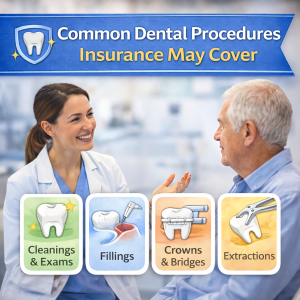
Some plans might cover only preventive dental services, such as cleanings and exams, while others may offer more comprehensive options, including coverage for fillings, crowns, or dentures. Beneficiaries need to carefully review the details of each plan to understand the coverage and benefit limits.

While Medicare Advantage plans can offer broader coverage, they aren’t without costs. Cost-sharing structures, premiums, and copayments can vary widely, making it essential for seniors to compare plans based on their dental care needs and financial situation.

When considering Medicare Advantage, one must evaluate the network restrictions associated with these plans. Many Advantage plans operate within specific provider networks, meaning beneficiaries must use dentists within the network to receive the full benefits.

This network limitation can impact access to preferred dental care providers. Seniors should consider whether their current dental provider is in-network or if they are comfortable switching to a new one. Medicare Advantage plans have grown in popularity due to their bundled benefits and potential cost savings.

However, weighing the convenience of a single plan against the variations in dental coverage is crucial. Understanding what each plan offers and its limitations enables seniors to choose a Medicare Advantage plan that aligns with their healthcare requirements and financial constraints.

Exploring Dental Benefits in Medicare Advantage Plans

When exploring dental benefits within Medicare Advantage plans, seniors will find a diverse range of options that can vary by provider and location. Advantage plans, offered by private insurance companies such as Cigna and Aetna, often include dental coverage, but the specifics can differ widely.

Some plans may cover basic preventive dental services like annual cleanings, exams, and perhaps x-rays. More comprehensive plans might include coverage for procedures such as fillings, crowns, or dental implants, although these services often come with specific limitations and out-of-pocket costs.

Advantage dental benefits can also include access to additional services not typically covered by Original Medicare, creating an attractive package for many beneficiaries. However, these added benefits often come with annual benefit limits, which can restrict the amount of dental care covered each year.

Seniors should carefully evaluate these limits, as well as any waiting periods, to ensure they align with their dental care needs. Preventive services are generally encouraged under these plans, as they help in early detection and management of oral health issues, potentially reducing the need for more invasive and costly treatments in the future.

Yet, comprehensive procedures might have more complex coverage terms, requiring seniors to understand the cost-sharing aspects of their plan fully. Another important consideration is the potential for varying copayments and coinsurance for procedures, which can affect the overall cost of dental care under a Medicare Advantage plan.

Network restrictions also play a crucial role in how advantages are accessed within these plans. Advantage Dental benefits often require beneficiaries to seek care from in-network providers to ensure the coverage applies fully.

This network model can lead to travel or changes in dental providers for some individuals, adding another layer of decision-making for seniors when choosing a plan. Additionally, the coordination of benefits in Medicare Advantage may differ from traditional dental insurance, with claims potentially handled differently.

This difference can impact how quickly and easily beneficiaries submit claims and receive reimbursement for services. Hence, understanding the administrative processes involved in a Medicare Advantage plan can be a critical factor for seniors evaluating their options.

As they navigate the landscape of Medicare Advantage dental benefits, seniors are encouraged to compare various plans and assess their unique needs and preferences. This assessment will help ensure they select a plan offering dental benefits that are a good fit for their personal circumstances, financial situation, and dental health priorities.

Find & Compare Plans Online

Speak with a licensed insurance agent

1-855-425-2095TTY 711

Mon-Fri: 8am-9pm ET

Annual Benefit Limits in Dental Plans

Understanding annual benefit limits in dental plans is crucial for making informed decisions. These limits determine the maximum coverage provided by your dental insurance plan each year.

Knowing how annual limits affect your dental care access can guide seniors in managing their treatment plans effectively. While Medicare Advantage plans may offer more flexibility, they also come with their own set of limitations.

This section will explore how benefit limits impact coverage and access to necessary dental care services, helping seniors to plan their dental expenses wisely without unexpected costs.

Understanding Benefit Limits and Their Impact on Coverage

Benefit limits play a crucial role in defining the scope of dental coverage offered by various plans, including Medicare and Medicare Advantage. These limits, often expressed as an annual maximum, represent the highest amount an insurance plan will pay toward covered dental services within a plan year.

Once this limit is reached, any additional costs for dental care typically become out-of-pocket expenses for the insured. The concept of benefit limits is fundamental to grasp, as it affects how much coverage you can actually leverage throughout the year.

It’s especially significant for seniors on fixed incomes who need to budget for healthcare costs meticulously.

Each dental plan usually defines its benefit limits differently, influenced by factors like plan type, insurance provider, and specific coverage options. For instance, Medicare Advantage plans are known for providing bundled services alongside traditional Medicare benefits, including dental coverage.

However, their design often entails specific annual limits that can vary significantly between different plans or providers. These limits might influence the choice between preventive and comprehensive services, impacting decisions on whether to proceed with more complex dental procedures within the coverage window.

Understanding these benefit thresholds early on helps avoid surprises and prepares seniors to manage larger-scale dental needs strategically.

When considering Medicare Advantage’s offering in particular, the addition of dental coverage is noteworthy yet complex. Advantage dental benefits may include services such as cleanings, x-rays, and even crowns or dentures, but the intricacy comes with the associated limitations.

These plans typically set a limit that might cover only basic services within the first few visits, leaving seniors to handle more extensive procedures financially on their own. The appeal of Medicare Advantage lies in its comprehensive approach, bundling various healthcare services under one umbrella, yet each plan’s specific benefit limit requires close examination to understand potential out-of-pocket expenses fully.

Potential policyholders should emphasize reviewing a plan’s details about annual maximums to discern how these limits will affect overall coverage. Consulting with an experienced insurance broker or using educational platforms like Dentalinsuranceforsenior.org can be advantageous.

These resources offer insights into navigating benefit limits, helping ensure that seniors’ selected plans align well with their dental care needs without surpassing financial constraints. Ultimately, knowing how these limits function aids in creating a balanced approach to managing dental health while mitigating possible financial burdens.

How Annual Limits Affect Dental Care Access

Annual limits in dental plans, including those found in Medicare Advantage options, distinctly influence the accessibility and affordability of dental care for seniors. These limits dictate how much financial support one receives annually and, when crossed, the financial responsibility shifts to the policyholder.

This shift not only affects immediate dental care but also prompts strategic planning about which services to prioritize each year. Understanding the ripple effects of annual benefit limits is essential, as it defines not only the care seniors can receive but also how they budget for potentially high dental costs.

Seniors often prefer preventive services as part of their dental plans due to their lower cost and valuable role in maintaining oral health. Preventive care, such as cleanings and exams, usually carries lighter costs and can often be fully covered within benefit limits.

However, the situation changes when seniors require more comprehensive services, such as crowns, bridges, or implants. These services can quickly consume the annual maximum if not planned carefully.

Hence, once the limit has been met, seniors must pay out-of-pocket or defer treatment until the new coverage year commences, potentially risking complications by delaying necessary care. Balancing preventive and comprehensive needs against the backdrop of annual limits becomes a key consideration.

Medicare Advantage plans often incorporate specific dental benefits with their annual limits, which influence cost-sharing structures and eligibility for different dental services. For instance, while some plans might offer broad initial coverage, they may impose stricter limits on procedures that are deemed non-essential.

This prioritization affects seniors who may need immediate attention for non-preventive issues. Having an understanding of which services fall under these limits and the resulting cost implications aids seniors in making more informed care decisions.

Developing a clear financial strategy, possibly with professional advice, is vital for navigating these intricacies, ensuring required care is accessible while managing financial load effectively.

Moreover, the geographical variability in Medicare Advantage plans adds another layer to consider, as plan terms, including annual limits, might differ based on location. Seniors are encouraged to enter their ZIP code on educational platforms to view plan-specific details, arming themselves with precise and relevant information.

This practice not only ensures that coverage is appropriate for their circumstances but also that they are not overextending their finances based on assumptions rather than current plan specifications. By recognizing how annual limits intersect with dental care access, seniors can effectively map out a path that aligns their dental needs with financial reality.

Annual Benefit Limits in Dental Plans

Comprehensive Dental and Supplemental Dental Options

Exploring dental coverage often leads seniors to consider comprehensive dental and supplemental dental plans. These options serve to enhance the gaps left by traditional Medicare, particularly for dental services that require extensive care.

Comprehensive dental plans typically offer a wider range of dental benefits, catering to both preventive and major procedures, while supplemental dental plans focus on extending coverage beyond basic offerings.

Understanding these plans can help seniors manage their dental health efficiently, aligning plan benefits with personal dental care needs and financial budgets. Discover how these plans differ and what benefits they might offer to improve overall dental care.

Comparing Comprehensive Dental and Supplemental Dental Plans

When delving into the world of dental insurance, the terms “comprehensive dental” and “supplemental dental” may arise frequently. Both options aim to cover dental services not typically included under Original Medicare, yet they serve distinct roles in a dental plan.

A comprehensive dental plan generally encompasses a broad spectrum of services. It often includes preventive care like cleanings and exams, along with more extensive procedures such as root canals, crowns, and even orthodontics.

This level of coverage is appealing to those seeking an all-inclusive dental package that mitigates the risk of high out-of-pocket costs for major dental work. In contrast, supplemental dental plans are designed to augment existing coverage.

These plans typically provide additional support where Medicare or another plan falls short. For instance, a supplemental plan might cover procedures excluded from a primary plan, offering flexibility and enhanced dental benefits.

Understanding the difference between these two types of plans is crucial in selecting the right insurance solution. Comprehensive dental plans suit individuals who prefer a single, all-encompassing policy covering an extensive range of treatments.

Meanwhile, those with an existing dental policy may opt for a supplemental plan to enhance their benefits without duplicating existing coverage. Beyond coverage, the financial structure of these plans also differs.

Comprehensive dental plans typically come with a higher premium due to the extensive coverage offered. In contrast, supplemental plans, given their role as an add-on, might entail lower premiums but could also impose limits on covered services.

Annual benefit limits are another critical factor to consider. Comprehensive plans might offer higher limits, which provide more buffer for unexpected dental costs.

On the other hand, supplemental plans may have lower benefit caps, impacting the amount of coverage available. Network restrictions are important considerations as well.

Comprehensive dental plans often work within a broad network of providers, offering flexibility in choosing dentists. Supplemental plans might have more stringent network requirements, potentially limiting provider choices.

This aspect can influence accessibility and overall satisfaction with the dental plan. Seniors exploring these options should review plan details meticulously to avoid unexpected limitations.

Comparing plan types, coverage, limits, and provider networks helps tailor a dental plan to individual needs. Although Medicare Advantage plans also offer dental coverage, the nuances of standalone comprehensive and supplemental dental plans often present more detailed benefits.

It pays to examine these carefully, especially as individuals consider the blend of benefits, costs, and restrictions each plan presents. Seniors looking for clarity in dental insurance should prioritize an unbiased understanding of these plans to navigate their options effectively.

By doing so, they can select a dental insurance route that best complements their overall healthcare strategy, providing reassuring coverage in managing dental health proactively.

Based on the detailed comparison of comprehensive and supplemental dental plans, the following considerations can guide seniors in their decision-making:

  • Evaluate personal dental needs and determine which type of plan aligns with essential services.
  • Assess the financial impact of higher premiums versus potential out-of-pocket costs.
  • Examine provider networks to ensure preferred dentists are included.
  • Consider annual benefit limits and how they might affect long-term dental planning.
  • Review the extent of procedural coverage to prevent unexpected expenses.
  • Check for any additional benefits or services unique to each plan.


These factors will aid in selecting a dental plan that aligns with your healthcare strategy and provides effective dental coverage.

Comprehensive Dental and Supplemental Dental Options

Choosing the Right Plan Based on Your Needs

Choosing the right dental plan is important, especially when considering Medicare options. Evaluating dental insurance options ensures you select a plan tailored to your needs.

Understanding the differences between plans, their benefits, and limitations helps. Medicare Advantage plans can offer coverage for dental services, but each plan’s specifics vary.

It is essential to weigh factors like cost, coverage, and service availability to make an informed decision. By focusing on your individual requirements and priorities, you’ll be better equipped to choose a dental insurance plan that meets your health needs effectively.

Evaluating Dental Insurance Options

When evaluating dental insurance options, understanding the range of plans is key. The landscape includes standalone dental plans, Medicare Advantage plans, and supplemental dental insurance.

Each offers unique benefits, from preventive services to more comprehensive options. To start, one should look at plan types and see which aligns with their dental health requirements.

Medicare Advantage, for example, often includes dental benefits, but specific services covered, benefit limits, and out-of-pocket costs can vary greatly. It is essential to examine the scope of coverage for preventive services like routine cleanings and exams, as these are crucial for maintaining oral health.

Comprehensive dental plans typically offer more benefits, covering broader services like major restorative procedures. They’re often appealing to those who anticipate needing significant dental work.

However, it can come with higher premiums or complex cost structures. Supplemental dental options might complement existing coverage by addressing gaps in dental benefits.

Seniors who have basic coverage through another source might choose supplemental plans to handle additional services not covered by primary plans. A crucial consideration is the provider network associated with each plan.

Medicare Advantage plans may restrict coverage to in-network providers, impacting the choice of dental professionals available to beneficiaries.

Another critical aspect is the understanding of benefit limits. Evaluating a plan’s annual maximums provides insight into potential out-of-pocket expenses once limits are reached.

Some plans might offer higher limits for preventive and comprehensive services, while others might have stringent caps that could influence access to necessary care. Additionally, waiting periods can affect how soon a member becomes eligible for full benefits.

This feature is particularly important for seniors needing immediate dental care. Moreover, considering the cost-sharing aspects like copayments and coinsurance can significantly impact your dental spending.

The process of evaluating dental insurance options should also include an assessment of your current and future dental needs. History of dental issues, anticipated procedures, and the priority of preventive care will guide which plan features should be prioritized.

Resources like Dentalinsuranceforsenior.org can provide unbiased information in helping to understand these facets together, allowing beneficiaries to compare and contrast different plans accurately.

Ultimately, selecting the right dental insurance involves balancing between coverage, costs, and dental health priorities, ensuring that the chosen plan offers adequate protection without exceeding financial constraints.

Entering your ZIP code on educational platforms can further aid in accessing region-specific plan details, ensuring that your selection is well-informed and geographically relevant.

Understanding your Medicare dental options, including annual limits and Medicare Advantage insights, is key to making informed decisions about your dental health. Each plan may have different costs and coverage, so it’s important to compare options that fit your needs.

Remember, location can affect plan availability and specifics. By exploring available plans, you can find one that aligns with your dental care requirements. To explore dental insurance plans in your area, consider entering your ZIP code on our website.

Doing so can help you compare plans and understand the costs and coverage specific to your location.

Compare Dental Plans

Frequently Asked Questions

What is the difference between Original Medicare and Medicare Advantage regarding dental coverage?

Original Medicare does not typically cover routine dental care like cleanings, exams, or dentures. In contrast, Medicare Advantage plans, offered by private insurance companies, often include additional benefits such as dental coverage.

However, it’s important to understand that the dental benefits in Medicare Advantage plans can vary, with some covering only basic preventive services and others offering broader options like crowns or dentures.

How do annual benefit limits in dental plans affect out-of-pocket costs?

Annual benefit limits set a cap on how much a dental plan will pay each year for covered services. Once this limit is reached, any additional dental expenses must be paid out-of-pocket by the patient.

These limits can significantly influence financial planning, especially for seniors on fixed incomes, as they determine the level of coverage accessible within a year.

What are comprehensive and supplemental dental plans, and how do they differ?

Comprehensive dental plans typically offer extensive coverage for both preventive and more significant procedures like crowns and root canals. These plans tend to have higher premiums but cover a broader range of services.

Supplemental dental plans, on the other hand, are designed to supplement existing coverage, filling gaps where primary plans may lack. They are ideal for enhancing coverage without fully replacing another dental plan.

How can location affect Medicare Advantage plans and their dental coverage?

Geographic variability can affect the availability and specifics of Medicare Advantage plans, including their dental coverage. Depending on where you live, the plan options, network providers, and even the premiums can vary.

Entering your ZIP code on platforms like Dentalinsuranceforsenior.org can provide details on the plans available in your area, helping ensure that the chosen plan is suitable for your location.

What should seniors consider when choosing a dental insurance plan?

Seniors should evaluate their current and future dental needs, the type of coverage required (preventive, comprehensive, or supplemental), and the financial aspects such as premiums, copayments, and annual benefit limits.

It’s also important to consider the network restrictions associated with Medicare Advantage plans to ensure access to preferred providers. Using resources like Dentalinsuranceforsenior.org can help by offering detailed comparisons and insights on various plans.

Have Questions?

Speak with a licensed insurance agent

1-855-425-2095

TTY users 711

Mon-Fri: 8am-9pm ET

Find & Compare Plans Online

Speak with a licensed insurance agent

1-855-425-2095TTY 711

Mon-Fri: 8am-9pm ET

ZRN Health & Financial Services, LLC, a Texas limited liability company