Cost of Dental Coverage for Seniors

Understanding dental insurance options is important for seniors seeking affordable, comprehensive coverage. This page explains different dental plans that cater to older adults, discussing costs, benefits, and what each plan typically covers.

With clear information about preventive services, major treatments, and waiting periods, seniors can confidently explore their options. By learning how dental insurance works and comparing plans, you can find coverage that meets your oral health needs and budget.

Dive into this guide to make informed decisions about senior dental insurance options today.

Key Highlights

  • Senior dental insurance lowers costs for routine and complex dental care.
  • Types of plans include PPO, HMO, and Indemnity, each with unique benefits.
  • Local factors affect insurance costs and coverage; research your area.
  • Waiting periods delay certain coverage, impacting treatment timing.
  • Evaluate plan options by comparing costs, coverage, and network size.

Compare Dental Plans

Understanding Senior Dental Insurance

Senior dental insurance is designed to help older adults manage the costs of dental care. Understanding the components and benefits of dental insurance can empower seniors to make informed decisions about their dental health.

This section delves into what senior dental insurance entails and the benefits it offers to older adults. By exploring these subtopics, seniors and their caregivers can gain insights into the necessity and advantages of securing dental insurance tailored to commonly faced dental care needs.

What is Senior Dental Insurance?

Senior dental insurance is a tailored form of coverage specifically designed to address the dental care needs of older adults. This type of insurance typically provides coverage for preventive services, such as routine cleanings and exams, which are crucial in maintaining oral health as individuals age.

Unlike plans targeted at younger populations, senior dental insurance often considers the likelihood of more extensive procedures that the elderly might require. Options like dental plans from companies such as Cigna Dental and Delta Dental offer varying levels of coverage, enabling seniors to select a plan that fits their specific needs.

Complex dental procedures like crowns, dentures, and implants often become more necessary with age. As teeth wear down or gum conditions develop, seniors might face common dental care needs that require substantial financial outlay.

Senior dental insurance aims to mitigate these costs by offering coverage that can significantly reduce out-of-pocket expenses. Insurance plans may range from basic, covering only essential preventive services, to comprehensive ones that offer a broader network of dentists and cover additional treatments.

PPO (Preferred Provider Organization) plans are popular because they offer flexibility in choosing dentists, which can be a critical benefit for seniors.

Costs and coverage can vary significantly based on the insurance company and the specific plan chosen. When considering dental insurance, it’s helpful to examine the estimated cost ranges of different plans to ensure they are affordable.

For instance, some seniors might find basic plans more viable, focusing mainly on preventive care, which helps in avoiding larger, more costly issues.

Engaging with insurance companies such as Humana or Cigna Dental provides detailed insights into the policy structures and potential benefits, allowing seniors to opt for the most appropriate coverage based on their location and specific dental health needs.

Ultimately, understanding senior dental insurance begins with recognizing it as a tool that helps cover costs, tailor coverage options, and protect against the financial unpredictability of dental care. By staying informed and carefully considering their options, seniors can feel reassured knowing that their dental health needs are more easily managed, no matter what challenges may arise.

Benefits of Having Senior Dental Insurance

There are significant benefits to having senior dental insurance, particularly for those looking to maintain their oral health and manage costs effectively. The most apparent advantage is access to reduced rates for dental services, which can be crucial for seniors on fixed incomes.

With insurance, procedures that might seem financially daunting, like crowns or dentures, become more affordable. Moreover, dental plans typically offer preventive services, which help in early detection and prevention, potentially saving thousands in treatment costs down the line.

Being insured also allows seniors to maintain independence in choosing their healthcare providers. Many dental insurance plans, such as those offered by Delta Dental and Cigna Dental, have extensive networks of dentists, ensuring that seniors have access to care wherever they might live.

This flexibility is invaluable, especially if mobility is a concern or if one needs to see specialists for specific dental issues. Additionally, plans with larger networks tend to offer more competitive rates, which can lead to further savings and convenience for seniors.

The peace of mind that comes with having dental insurance coverage cannot be overstated. Knowing that there is a safety net for unexpected dental procedures is reassuring.

Seniors are often more susceptible to dental issues due to normal aging processes that affect gums and teeth. Insurance plans can manage these uncertainties by covering a portion of the costs, allowing seniors to focus on their well-being without the stress of unmanageable medical bills.

Finally, dental insurance plays a role in promoting regular dental visits, as most plans emphasize preventive care. Regular check-ups are fundamental in preventing larger dental issues, and insurance makes these routine visits more financially accessible.

For example, with an affordable plan, seniors can routinely access cleanings and check-ups, which not only support dental health but also overall health, reducing potential risks associated with dental neglect.

In conclusion, senior dental insurance offers a host of benefits that go beyond just cost savings. From making dental care accessible and affordable to providing security and peace of mind, it is an invaluable resource for maintaining both oral and overall health.

Seniors and their caregivers should consider these advantages when evaluating whether to invest in a dental insurance plan.

Understanding Senior Dental Insurance

Exploring Dental Insurance Options

Diving into dental insurance options can be a crucial step for seniors seeking manageable and affordable dental care. Understanding the different types of insurance plans, such as those offered by companies like Delta Dental and Cigna Dental, helps ensure seniors are receiving the best possible coverage for their needs.

Furthermore, location can significantly impact insurance coverage and costs, highlighting the importance of choosing a plan that caters to local dental care requirements. This section will provide a detailed exploration of available plan types and how geographical factors might affect dental insurance choices.

Types of Dental Insurance Plans Available

When considering dental care, seniors have several insurance plans to choose from, each catering to different needs and budgets. A popular choice among seniors is the PPO, or Preferred Provider Organization, which offers great flexibility.

PPOs allow you to select your own dentist within a wide network, including companies like Delta Dental, ensuring that you get the care you need without straying far from home. This flexibility can be a major benefit for those with specific dental needs, such as crowns, dental implants, or dentures.

Typically, these plans cover both preventive services and more advanced treatments, albeit at varying cost levels.

Then, there’s HMO, or Health Maintenance Organization plans, which can be more cost-effective. HMOs require members to select a primary care dentist and get referrals for any specialist care.

While this plan type generally offers lower premiums, it limits you to a specific network of dentists. This can be a consideration for seniors living in areas with fewer participating providers or those with mobility issues.

However, the low cost structures of HMO plans can help manage long-term dental expenses, something every senior values.

An alternative is the Indemnity dental insurance plan, which allows you to visit any dentist but typically requires you to pay for services up front before receiving reimbursement. This plan can seem daunting due to upfront costs, but it provides unparalleled freedom in choosing dental services and could be beneficial in areas lacking extensive networks.

Another option, exclusive to military veterans, is the Tricare Retiree Dental Program, ensuring those who have served have access to quality dental care.

For seniors on a tight budget, Discount Dental Plans offer a non-insurance model that provides reduced rates on dental services for a monthly fee. While not insurance, these plans can serve as an affordable way to supplement traditional coverage, especially where extensive procedures are anticipated.

It’s worth noting that dental insurance costs and coverage can depend on factors such as age, state of health, and geographic location. Senior dental insurance tends to address common dental care needs, balancing cost with coverage for peace of mind during retirement.

How Location Affects Dental Insurance

Local dental insurance costs and coverage can vary greatly, impacted by geographic location. Dental insurance companies like Cigna Dental and Humana offer plans that adjust rates based on where you live.

Seniors in urban areas might find more competitive pricing due to larger networks and more abundant dental services. In contrast, rural areas may have fewer providers, potentially leading to higher costs or less selection, highlighting the importance of geography in insurance planning.

Affordability of dental insurance is another area where location plays a dominant role. Large cities often have a higher demand for dental services, thus insurance companies adapt by offering more competitively priced plans.

Conversely, seniors in smaller towns might face higher insurance costs due to limited networks, emphasizing the necessity of comparing available plans within one’s own region.

State regulations also define the landscape of dental insurance. Some states mandate specific coverages, while others allow more basic plans. For instance, preventive care might be included as standard in one state but considered an add-on in another.

Seniors need to familiarize themselves with these nuances, ensuring their chosen plan offers satisfactory coverage such as routine exams and major dental services.

Different regions also experience varied estimated cost ranges for dental plans, contributing to the overall cost of dental insurance. By understanding your location’s dental insurance landscape, you can better anticipate insurance costs and tailor your choice to meet both your medical and financial needs.

Whether opting for a PPO, Indemnity, or Discount plan, having a clear picture of how local variables influence these products ensures seniors are making informed, confident decisions.

To conclude, while dental insurance plans offer coverage options for insured seniors, recognizing the role of geographic and regulatory factors can enhance decision-making effectiveness. Emphasizing the importance of location in choosing the appropriate dental plan underscores an essential aspect of informed senior dental insurance exploration.

When evaluating dental insurance options across different regions, consider these key factors to make informed decisions:

  • Investigate your state’s mandatory dental coverage requirements and inclusions.
  • Assess provider availability and network size in your area.
  • Compare plan types specific to your region, such as PPO or Indemnity plans.
  • Examine local plan variations for preventive care and major services.
  • Understand potential cost differences between urban and rural locations.
  • Review the impact of state regulations on annual benefit limits.
  • Explore region-specific discounts or added benefits for seniors.


These points can help you tailor your dental insurance choices to fit your unique local circumstances effectively.

Find & Compare Plans Online

Speak with a licensed insurance agent

1-855-425-2095TTY 711

Mon-Fri: 8am-9pm ET

Costs Associated with Dental Insurance

Understanding the costs associated with dental insurance is essential for seniors seeking the most suitable coverage. These costs can range significantly based on the plan chosen, the insurance company, and the location.

Common expenses include premiums, deductibles, and copayments for dental services. Reviewing estimated cost ranges for senior dental insurance helps set realistic expectations.

This section will provide insights into understanding these costs and comparing different plans to help seniors make informed decisions about their dental coverage.


Cost ComponentDescriptionImpact on SeniorsConsiderations
PremiumsMonthly fees paid to maintain dental insurance coverage.Consistent outflow of expenses; may be burdensome for those on fixed incomes.Compare different plans to find affordable premiums that fit within a senior’s budget.
DeductiblesAmount paid out of pocket before insurance starts covering costs.Higher deductibles can delay access to benefits, impacting timely care.Choose plans with manageable deductibles relative to expected dental needs.
CopaymentsFixed fees paid for specific services at the time of care.Recurring copayments can accumulate, affecting overall affordability.Understand typical out-of-pocket costs for routine visits and procedures.
Waiting PeriodsTime before certain benefits take effect following enrollment.Delayed access to coverage can postpone necessary treatments.Identify plans with minimal or no waiting periods to ensure timely care.
Coverage LimitsMaximum amount the insurer will pay within a year for covered services.Exceeding limits can lead to significant unexpected expenses.Consider the coverage limits and assess if they align with anticipated dental needs.


This table highlights the vital aspects of dental insurance costs for seniors, assisting in making informed financial and health-related decisions.

Understanding Dental Insurance Costs

Navigating the costs of dental insurance can feel daunting, but breaking them down simplifies the process. Dental insurance costs primarily consist of monthly premiums, which are the fees paid to maintain coverage.

These premiums vary based on factors such as age, type of plan, and the specific network of dentists included. In the case of PPO plans, which provide flexibility in choosing dentists, premiums might be higher because of the added choice they offer.

Seniors opting for more affordable HMO plans may find lower premiums in exchange for a more limited network of care providers.

Beyond premiums, other costs include deductibles and copayments. A deductible is the amount paid out-of-pocket before the insurance company starts to cover services.

Often, higher deductibles correlate with lower premium plans, and vice versa. Copayments are the fixed amounts you pay for specific services, such as a routine cleaning or dentist visit.

Understanding these can help manage the day-to-day expenses of dental care. When seniors are aware of potential insurance costs, they can better anticipate and plan for these expenses while focusing on maintaining their dental health.

Additionally, waiting periods can affect the costs associated with dental insurance. These are the intervals that must pass before coverage begins for certain procedures.

Insurance companies like Cigna Dental or Humana include waiting periods for more complex services, such as crowns or dentures, to deter the immediate high-cost claims. Being knowledgeable about these periods helps seniors manage their dental expenses more effectively by planning procedures once they know their coverage has taken effect.

Another critical aspect is coverage limits within insurance plans, often called the annual maximum benefit. This is the highest amount the plan will pay for covered services in a year.

Understanding your dental insurance plan’s maximum benefit is vital to avoid unexpected expenses once that threshold is crossed. Seniors should assess their likely dental needs against these limits, ensuring enough coverage without overspending.

Knowledge of these elements allows seniors to make more informed choices, promoting financial peace of mind along with dental health.

Costs Associated with Dental Insurance

Comparing Costs for Dental Plans

When comparing dental plans, it’s important to look at the broader picture, as costs can vary depending on specific needs and personal circumstances. Review available plan options from reputable companies like Delta Dental, Cigna Dental, and Humana.

Each offers unique combinations of benefits, coverage, and network access that can suit diverse dental care needs. Start by comparing the premiums, deductibles, and copayments of each plan.

Typically, more comprehensive plans with larger dentist networks, such as PPOs, come at a higher premium, whereas HMOs might offer lower premiums but with restrictions in provider choice.

Additionally, examine the covered services and any excluded treatments. Preventive services, like regular check-ups and cleanings, are usually covered by most plans.

Such regular care can help prevent costlier conditions down the line, making coverage for preventive services an essential factor in decision-making. Look into waiting periods and maximum annual benefits as well, since these can substantially affect out-of-pocket costs.

For instance, plans with lower monthly premiums might have longer waiting periods or lower annual maximums, which can influence long-term affordability.

Location impacts costs for insurance plans, with prices differing from place to place. Major cities might offer more competitive pricing due to larger provider networks, while rural areas could face higher costs and fewer options.

It’s essential to compare estimated cost ranges in your region to tailor your dental insurance accordingly. By thoroughly evaluating these factors, seniors can determine the best balance of cost and coverage, ensuring financial security without compromising on necessary dental care services.

Lastly, consider how insurance plans cover common dental care needs that arise with aging, such as fillings, crowns, or dentures. Compare how different plans address these needs both in terms of coverage and post-insurance costs.

Gathering information from various sources, including customer reviews and company-released details, can assist in weighing the pros and cons of each option. This careful comparison allows seniors to feel confident in selecting a dental insurance plan that aligns well with their personal health requirements and financial situation.

Waiting Periods in Dental Insurance

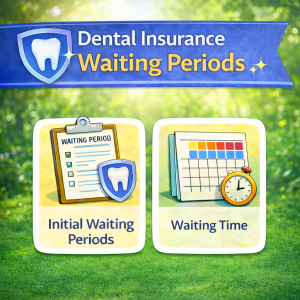
Waiting periods are an essential concept to grasp when considering dental insurance for seniors. These intervals determine how long one must wait before certain dental services are covered under an insurance plan.

Understanding the specifics of waiting periods, such as how they impact various coverage aspects, is key to managing dental care costs effectively.

This section covers what waiting periods entail and their effect on the coverage seniors can expect from their dental insurance plans, allowing for informed decision-making about dental insurance options.

What Are Waiting Periods?

Waiting periods are the time frames during which certain dental services are not covered by an insurance plan after the policy starts. They’re often implemented by insurance companies like Cigna Dental or Humana as a way to manage costs.

A waiting period might apply to complex procedures such as dental implants, crowns, or dentures, services that can pose significant immediate costs to insurers if not regulated. Usually, these periods can last from several months to a year, depending on the policy details and the specific services involved.

The primary purpose of these waiting periods is to deter those who might sign up for insurance only when they need extensive dental work, which could otherwise lead to higher insurance costs for everyone. By having a waiting period, insurers ensure that coverage remains sustainable and fair for all members, including seniors seeking comprehensive dental care options.

This practice helps keep premiums at manageable levels for both new and continuing policyholders, allowing them to afford their insurance plans more effectively.

Insurance companies may specify different waiting periods for various tiers of services. For instance, preventive services like cleanings and annual exams often come with little to no waiting period.

In contrast, restorative services, such as root canals or extractions, might require a more extended waiting period before benefits kick in. This approach encourages insured seniors to maintain regular oral health routines while managing the insurer’s risk and covering more costly procedures over time.

Understanding the specifics of a waiting period is crucial. It helps seniors and their caregivers choose plans that best match their immediate and future dental care needs without facing unexpected limitations.

For those budgeting on fixed incomes, knowing when the coverage begins for more costly services can make a significant difference in planning dental visits and managing overall costs effectively.

How Waiting Periods Affect Coverage

The effects of waiting periods on coverage are widely felt by seniors navigating their dental insurance options. These periods can delay the timing of when particular treatments are covered, potentially impacting how seniors manage their dental health needs.

For instance, if a senior requires a major service shortly after enrolling in a new insurance plan, the waiting period might mean they need to pay out-of-pocket until the waiting period is over. This can be particularly impactful on those who haven’t anticipated higher costs due to lack of immediate insurance support.

Beyond the initial cost implications, waiting periods can also affect how seniors choose their insurance plans. A plan with shorter waiting periods may seem more attractive, even if the premium is slightly higher, as it reduces the financial strain if immediate care is necessary.

Conversely, plans with longer waiting periods might offer lower premiums but could result in higher costs should urgent care needs arise, thereby highlighting the trade-offs between cost and coverage readiness. This balance is a key consideration for seniors evaluating their options with networks like PPO or insurers such as Cigna Dental and Humana.

For those relying on senior dental insurance to cover common dental care needs, understanding these periods can lead to better planning and cost management.

For example, a senior may opt for a dental plan that includes preventive care immediately, ensuring routine cleanings and check-ups are conducted on schedule while planning for more significant procedures after the waiting period has lapsed. This strategic use of insurance can maximize out-of-pocket savings across a year.

Ultimately, the waiting period’s impact spans beyond just costs. It influences how often seniors visit the dentist, potentially encouraging more consistent preventive care when immediate treatment isn’t yet covered.

Strategically leveraging periods in insurance planning can ensure seniors maintain optimal oral health, aligning treatment schedules with coverage availability. In conclusion, navigating these waiting periods with foresight enables seniors to utilize their plans more efficiently, promoting both financial stability and effective dental care management.

Waiting Periods in Dental Insurance

Making Informed Decisions

Choosing the right dental insurance can be challenging for seniors, especially when balancing costs and coverage needs. It’s crucial to make informed decisions to ensure both affordability and comprehensive dental care.

Whether you’re selecting a plan based on essential services or looking for broader coverage for complex needs, understanding the options and criteria can significantly impact your choice. This section explores how to find suitable plans and examines options such as Delta Dental, empowering seniors with the knowledge to navigate their choices confidently.

Finding the Right Plan for Your Needs

Discovering a dental insurance plan that aligns with your needs involves evaluating several factors, including coverage options, cost, and the network of available dentists. Senior dental insurance must cater to common dental care needs, like routine check-ups and major procedures such as crowns or dentures.

It’s imperative to assess your dental care requirements to understand which plan will offer the most suitable and affordable support for both current and anticipated needs.

For many seniors, a PPO plan offers a balance between flexibility and comprehensive coverage. PPOs, like those from Cigna Dental and Delta Dental, allow insured individuals to select their preferred dentist within a network, providing freedom in choice and potentially broader coverage for various dental services.

These plans can be beneficial for seniors because they reduce potential out-of-pocket expenses, making major treatments more affordable than without insurance.

On the other hand, HMO plans might be more cost-effective if keeping insurance costs low is a priority. These plans require members to use a specific network of dentists and often involve selecting a primary care provider.

While they might come with lower premiums, they can also impose restrictions on the choice of dentists. This can be a deciding factor, especially if you live in a location with limited provider options.

When evaluating plan options, it’s crucial to consider insurance costs such as premiums, deductibles, and copayments. Paying a slightly higher premium could yield lower out-of-pocket expenses through reduced copayments and better service coverage.

Additionally, it’s vital to understand the waiting periods associated with major dental procedures, as these can impact when you can start utilizing certain coverage benefits. Knowing these details equips seniors to make informed decisions, ensuring that their chosen insurance plan meets their dental care needs effectively and affordably.

Exploring Delta Dental Options

Delta Dental stands out as one of the most recognized names in providing dental insurance options tailored to seniors.

Known for its extensive network and comprehensive coverage packages, Delta Dental offers plans that cater to a variety of dental care needs, often providing a balance of preventive and more extensive dental services.

Understanding how Delta Dental structures its plans can help seniors evaluate if it suits their particular needs.

Delta Dental often provides a range of plan options, from basic to more comprehensive, allowing seniors to choose based on their coverage requirements and budget constraints. For those primarily interested in preventive care, basic plans might cover routine cleanings and check-ups, making them an affordable way to maintain oral health.

On the other end of the spectrum, more comprehensive plans offer broader coverage, including major services like crowns, dentures, and root canals, which are crucial for seniors facing more complex dental health issues.

The network available through Delta Dental can be another significant advantage. With access to a large number of dental professionals, seniors benefit from the flexibility to choose dentists closer to home or specialists for certain procedures.

This flexibility ensures that despite any mobility challenges, seniors can continue receiving necessary care without extensive travel. Additionally, a large network can often mean negotiated lower costs, reducing overall dental expenses.

When exploring these options, seniors should take note of waiting periods for specific procedures. Like many insurance providers, Delta Dental might enforce waiting periods for certain services, a factor that influences when coverage becomes active for high-cost procedures.

Being aware of these waiting periods allows seniors to plan their dental visits strategically, especially when major procedures are anticipated shortly after obtaining insurance. Understanding these details can guide seniors in aligning their immediate dental needs with long-term cost management, enabling them to maximize the value of their Delta Dental plan.

In summary, choosing a Delta Dental plan involves weighing the benefits of comprehensive versus basic coverage while considering factors like network size and waiting periods.

By focusing on personal dental care needs and financial constraints, seniors can make informed decisions about their dental insurance, ultimately leading to improved oral health and financial security.

Finding the right dental insurance as a senior can be straightforward with the right information. It’s important to understand what each plan covers, the costs involved, and any waiting periods.

By entering your ZIP code on our website, you can explore options available in your area to find coverage that suits your needs and budget. Remember, coverage and costs can differ greatly depending on your location and provider, so take some time to compare plans.

Dentalinsuranceforsenior.org is here to help you confidently navigate these decisions.

Compare Dental Plans

Frequently Asked Questions

What are the main types of dental insurance plans available for seniors?

Senior dental insurance plans include PPO (Preferred Provider Organization), HMO (Health Maintenance Organization), and Indemnity plans. Each plan type offers different benefits, costs, and flexibility in choosing dental care providers.

How do waiting periods affect dental insurance coverage?

Waiting periods are intervals during which certain dental services aren’t covered after a policy starts. They vary by plan and service type, often applying to major procedures like crowns or dentures.

Understanding waiting periods helps seniors plan and manage their dental costs effectively.

How can location impact the cost and coverage of dental insurance?

Location influences dental insurance costs because prices and available networks can vary by region. Urban areas might offer more competitive pricing and broader provider networks, while rural areas may see higher costs and fewer options.

What should seniors consider when choosing a dental insurance plan?

Seniors should evaluate coverage options, costs (including premiums, deductibles, and copayments), network size, and waiting periods. Understanding these elements can help in selecting a plan that meets both dental health needs and budget constraints.

What are the benefits of choosing a PPO dental plan for seniors?

PPO plans offer flexibility by allowing seniors to choose their dentist from a wide network, which can be advantageous for accessing various dental services. While premiums may be higher, they often cover a broad range of procedures, reducing out-of-pocket expenses.

Have Questions?

Speak with a licensed insurance agent

1-855-425-2095

TTY users 711

Mon-Fri: 8am-9pm ET

Find & Compare Plans Online

Speak with a licensed insurance agent

1-855-425-2095TTY 711

Mon-Fri: 8am-9pm ET

ZRN Health & Financial Services, LLC, a Texas limited liability company