Does Medicare Cover Dental Services

Understanding whether Medicare covers dental services can be confusing. Medicare focuses mostly on healthcare, leaving dental coverage a bit unclear.

This guide explains how dental care fits into Medicare. It covers what dental services aren’t generally included in Traditional Medicare, and how you might get coverage through other plans.

Knowing these details helps seniors compare options and decide on the right dental care strategy for their needs.

Key Highlights

  • Traditional Medicare generally doesn’t cover routine dental procedures like cleanings or fillings.
  • Medicare Advantage plans may offer additional dental benefits, including routine exams and cleanings.
  • Supplemental dental plans can cover services not included in traditional Medicare.
  • Understanding Medicare’s dental coverage is crucial for effective healthcare planning.
  • Finding the right dental plan involves analyzing personal dental needs and financial considerations.

Compare plans and enroll online

Understanding Medicare and Dental Care

As we navigate through Medicare, understanding if dental care is covered can feel like a maze. Traditional Medicare, which includes Part A (hospital insurance) and Part B (medical insurance), provides limited dental benefits. This can be confusing for those exploring dental services coverage.

Luckily, Medicare Advantage plans might offer additional benefits in this area. Evaluating how traditional Medicare handles dental services and what options Medicare Advantage plans might present can help you make informed decisions about your dental health under Medicare coverage.

How Traditional Medicare Approaches Dental

Traditional Medicare, comprising Part A and Part B, usually doesn’t cover routine dental care such as cleanings, fillings, or extractions. This limited coverage can be puzzling for those who expect comprehensive health services under Medicare.

Generally, Medicare only covers dental services under specific conditions. For example, if you’re undergoing surgery and need dental work to prepare for it.

Therefore, it’s wise to understand this nuance to avoid unexpected expenses. The Centers for Medicare & Medicaid Services (CMS) recognizes this gap in coverage, which is why many beneficiaries seek supplemental dental insurance or explore Medicare Advantage plans to meet their dental needs.

These decisions depend largely on individual health circumstances, offering beneficiaries room to choose what suits their dental care requirements. Being aware of these options can enhance your Medicare coverage planning.

What Medicare Advantage May Offer

Medicare Advantage (Part C) is a popular choice for those seeking more comprehensive health coverage, including potential dental services. Unlike traditional Medicare, Advantage plans are offered by private insurance companies and may include extra benefits like dental, vision, and hearing coverage.

This broader coverage can provide peace of mind, especially for dental care like routine examinations, cleanings, and even more advanced services, depending on the plan. Each Advantage plan is different, so it’s crucial to review what each plan offers regarding dental services.

Considering personal health needs and financial budgets is vital when exploring these options. Many seniors find that a Medicare Advantage plan enhances their Medicare experience by filling gaps that traditional Medicare doesn’t cover.

When contemplating these plans, it’s also helpful to consider any additional benefits they might provide beyond dental. This exploration allows beneficiaries to find a plan that fits their comprehensive health needs effectively.

Understanding Medicare and Dental Care

Types of Dental Services and Coverage Options

Dental health plays a crucial role in overall well-being, yet understanding Medicare’s stance on dental coverage can be tricky. Traditional Medicare often leaves gaps in dental services, compelling many to seek alternative solutions.

Luckily, Medicare Advantage and supplemental plans might offer options for dental coverage that could meet varied needs. Distinguishing between these plans can guide beneficiaries to make savvy choices for their dental health.

From routine dental care to more complex procedures, understanding what’s covered and comparing available options ensures you’re fully informed.

Medicare Dental Coverage Explained

Medicare’s default stance is clear: traditional Medicare doesn’t generally include routine dental care like cleanings, fillings, or dentures without specific medical necessity. This means typical dental services aren’t covered by Part A or Part B, which primarily focuses on hospital and medical services.

For instance, while traditional Medicare might cover a dental exam if it’s deemed essential before a surgery covered by Medicare, it won’t pay for regular dental checkups. This limitation often surprises seniors who assume Medicare covers all aspects of health care, including dental.

Many find this gap significant, especially considering how dental health can impact overall health. Thus, understanding these nuances is crucial. CMS has recognized this gap, and although traditional Medicare might not change, many beneficiaries turn to alternative solutions.

Medicare Advantage plans and supplemental dental insurance offer promising routes for acquiring necessary dental care, catering to the comprehensive dental needs that traditional Medicare omits.

Find & Compare Plans Online

Speak with a licensed insurance agent

1-855-425-2095TTY 711

Mon-Fri: 8am-9pm ET

Exploring Supplemental Dental Plans

While Medicare Advantage plans might enhance dental benefits, some beneficiaries prefer supplemental dental insurance for more comprehensive coverage. Supplemental dental plans are often standalone dental insurance policies that fill the void left by traditional Medicare.

They can cover routine services like cleanings, x-rays, and sometimes even more substantial procedures like crowns or root canals. Choosing between supplemental dental plans and Medicare Advantage requires evaluating personal dental care needs, health circumstances, and financial situations.

While Advantage plans offer broader health coverage, standalone supplemental dental insurance specifics might better suit those with particular dental health needs.

These plans are typically offered by private insurance companies and are designed to cover what Medicare doesn’t, like preventive exams or more advanced procedures, providing peace of mind.

Consideration of what these plans cover, alongside factors including cost, flexibility, and provider networks, can empower seniors in making educated decisions that directly impact their dental health and oral care routine.

Types of Dental Services and Coverage Options

How to Find the Right Dental Plan for You

Navigating the world of dental plans can be daunting, especially since traditional Medicare often falls short in covering dental needs. But finding the right dental insurance doesn’t have to be overwhelming.

Whether you’re exploring Medicare Advantage plans, supplemental dental insurance, or standalone policies, the right plan will depend on your personal dental needs. Understanding the scope of Medicare coverage, along with assessing various plans, can empower you to make choices that fit both your health and financial situation.

With thoughtful consideration, you can secure a dental plan that supports your oral health and complements your overall healthcare strategy.

Considerations for Dental Needs

When looking into dental plans, the first step is assessing your personal dental needs, which can vary widely from one individual to another. Reflecting on your current dental health and any ongoing issues can guide your decision.

Do you visit the dentist regularly for cleanings or, perhaps, require more advanced procedures like crowns or root canals? Traditional Medicare often doesn’t cover these dental services under Part A or Part B, focusing instead on hospital and medical insurance without covering routine dental care.

Thus, understanding your needs is crucial. If routine exams and preventive care are important for you, consider plans that service these aspects.

Medicare Advantage plans might offer such dental benefits, but if they don’t cover your specific needs, a standalone supplemental dental insurance could be beneficial. Evaluating what plan fits alongside your healthcare needs can help ensure you’re not stuck with unanticipated dental costs.

Contemplate your existing health conditions, financial constraints, and overall healthcare, as these influence the type of coverage most appropriate for you.

Steps to Compare Dental Plans

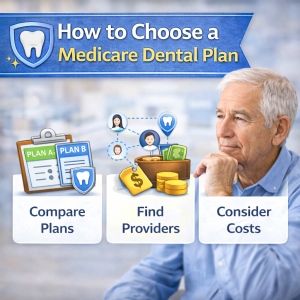
Comparing dental plans requires a methodical approach to ensure you choose wisely. Start by gathering details on the types of plans available, such as Medicare Advantage or standalone supplemental dental insurance.

Medicare Advantage plans are attractive as they might offer additional benefits like dental, but they vary, so reviewing what each covers is vital. Compare the offered services, routine care, cleanings, x-rays, and more intensive procedures, if necessary.

Pay attention to costs, including premiums, copayments, and any uncovered services. Consider the flexibility of each plan. Can you choose any dentist, or are you limited to a network?

Also, evaluate the financial aspect carefully. Traditional Medicare and Medicare Advantage plans handle expenses differently, which impacts your overall budget.

The Centers for Medicare & Medicaid Services (CMS) sanctions these plans, ensuring compliance with healthcare standards while emphasizing personal choice. By focusing on what each plan offers versus your needs, and considering both health and cost implications, you can identify a plan that fits well.

Remember, a comprehensive plan should complement your Medicare coverage to relieve concerns over unexpected out-of-pocket dental expenses.

Understanding your dental coverage options under Medicare is vital for maintaining good oral health. Remember, traditional Medicare generally doesn’t cover routine dental services.

However, Medicare Advantage may include some dental benefits. To compare what different plans offer in your area, enter your ZIP code on our site.

This will help you explore the available choices that fit your needs. Once our phone number is available, you can also call for personalized assistance.

We’re here to make navigating your Medicare options easier and help you find the right fit for your dental care needs.

Types of Dental Services and Coverage Options

Compare plans and enroll online

Frequently Asked Questions

When will Original Medicare cover dental services?

Original Medicare may cover certain dental-related services when they are medically necessary and closely connected to a covered medical procedure.

For example, dental work that must be performed in connection with specific covered hospital or surgical care may be covered under limited circumstances. Coverage depends on the clinical context and how the service is billed.

Does Medicare cover routine dental care, like cleanings and exams?

In general, Original Medicare (Part A and Part B) does not cover routine dental care such as cleanings, exams, fillings, or dentures. Routine dental services are typically considered outside the scope of standard Medicare medical benefits.

Coverage rules can vary by situation, so it is important to confirm what applies to your specific care needs.

Do Medicare Advantage (Part C) plans include dental benefits?

Many Medicare Advantage plans offer dental benefits, but coverage is not the same for every plan. Some plans may include preventive services only, while others may also cover basic or major dental procedures up to certain limits.

Dental networks, benefit maximums, waiting periods, and cost-sharing requirements can vary by plan and location.

What dental costs should I check before choosing a plan?

Dental benefits can differ significantly, so it helps to review the plan’s details carefully. Key items to verify include the scope of covered services, the provider network, and how much you may pay out of pocket.

Also check for annual maximums and whether certain services require prior authorization.

Important factors to review include:

  • Covered services (preventive, basic, major) and any exclusions
  • Provider network requirements and participating dentists
  • Copayments, coinsurance, and deductibles (if applicable)
  • Annual coverage maximums, waiting periods, and authorization rules

If Medicare doesn't cover what I need, what are common ways people get dental coverage?

Some individuals explore Medicare Advantage plans with dental benefits, while others consider separate dental insurance policies or dental discount programs. Options vary by location and may include different networks, benefit limits, and pricing structures.

Comparing expected dental needs against total costs and coverage rules can help identify an approach that fits both budget and care preferences.

Have Questions?

Speak with a licensed insurance agent

1-855-425-2095

TTY users 711

Mon-Fri: 8am-9pm ET

Find & Compare Plans Online

Speak with a licensed insurance agent

1-855-425-2095TTY 711

Mon-Fri: 8am-9pm ET

ZRN Health & Financial Services, LLC, a Texas limited liability company