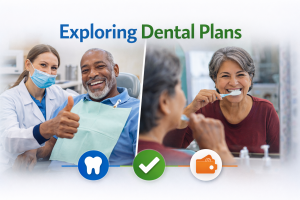
Affordable Dental Plans for Seniors

Finding an affordable dental plan is important for seniors who want to maintain good oral health without breaking the bank. By exploring dental insurance options and the Health Insurance Marketplace, seniors can discover plans tailored to their needs. This guide provides simple explanations of coverage, costs, and services like cleanings, fillings, and dentures.

Understanding these plans can help seniors choose a dental option that fits their budget and dental care needs. Let’s take a closer look at what’s available to help you stay healthy and confident in your smile. For more information, read our other articles on the topic, such as our article Dental, Vision, and Hearing Plans for Seniors or our article Cheapest Dental Plans for Seniors.

Key Highlights

  • Dental insurance is crucial for seniors to manage high dental care costs and maintain overall health.
  • Plans often cover preventive services like cleanings and X-rays, crucial for early detection of issues.
  • Comparing individual and group plans helps find the right balance between coverage and affordability for seniors.
  • Factors like plan type and location influence dental insurance costs for seniors.
  • Understanding dental insurance waiting periods prevents unexpected delays in receiving necessary services.

Compare Dental Plans

Understanding Dental Insurance for Seniors

As we age, maintaining oral health becomes increasingly crucial, and dental insurance provides peace of mind by covering many essential services. For older adults, dental insurance is not just about coverage; it’s about protecting overall health and financial stability. This guide will explore why dental insurance is vital for seniors and delve into the types of dental services typically covered under insurance plans.

By understanding these aspects, seniors can make informed decisions that align with their health needs and budget, ensuring they have access to necessary dental care without unexpected costs.

Why Dental Insurance is Important for Older Adults

Dental insurance plays a crucial role in the health and well-being of older adults, providing a safety net against the high costs of dental care. As we age, maintaining oral health becomes more challenging and imperative, making insurance coverage an essential component of senior health care planning. Many seniors face issues such as tooth decay, gum disease, and the need for dentures or implants, which can be expensive without insurance.

These dental procedures not only add to out-of-pocket expenses but can also affect a senior’s overall health if neglected. Dental health is closely linked to various chronic conditions such as diabetes and heart disease, underscoring the importance of consistent dental care.

Without dental insurance, older adults might avoid necessary visits to the dentist due to cost concerns, leading to more significant health issues over time. For instance, untreated gum disease can result in tooth loss and has been linked to heart disease. Regular preventive services, including cleanings, exams, and X-rays covered by dental insurance, help catch problems early when they are easier and less costly to treat.

This preventive approach underscores how insurance can significantly contribute to improving quality of life for seniors by reducing the risk of major health complications.

In addition, dental insurance reduces the financial strain by covering a substantial portion of major services that seniors typically need, like root canals, extractions, and fillings. Having insurance means seniors don’t have to forego essential treatments due to high costs. Instead, they can focus on maintaining a healthy lifestyle.

This coverage is especially beneficial for those living on a fixed income who might otherwise struggle with unexpected dental expenses. Dental insurance also offers peace of mind, knowing that the cost of care is managed, allowing seniors to prioritize their health without financial anxiety.

The coverage afforded by dental insurance brings an invaluable sense of security, ensuring seniors receive necessary care to maintain their dental health, which supports overall well-being. Thus, understanding the importance of dental insurance empowers seniors and their caregivers to make informed decisions about their dental care needs.

Exploring different insurance plans that cater specifically to the needs of older adults can maximize benefits and affordability, providing tailored solutions that alleviate the financial burden associated with maintaining a healthy smile well into senior years.


Coverage TypeServices IncludedImportance for Seniors
Basic CoverageAnnual dental exams, routine cleanings, diagnostic X-rays, and other preventive services.Promotes preventive care, supports early detection of dental problems, and helps maintain long-term oral health.
Major CoverageCrowns, bridges, dentures, root canals, and other major restorative procedures.Helps reduce the financial burden of expensive treatments that become more common with age.
Orthodontic CoverageBraces, retainers, aligners, and other orthodontic treatments, when covered by the plan.Can improve bite alignment, chewing function, and long-term oral health for eligible members.
Emergency CoverageUrgent treatment for dental injuries, severe pain, infections, and other emergency conditions.Provides timely access to essential dental care, helping prevent complications and preserve overall well-being.

This table succinctly captures the essential elements of dental insurance for seniors, highlighting the significance of understanding coverage options for informed decision-making.

Exploring Dental Insurance Plan Options

Types of Dental Services Covered

Dental insurance for seniors typically covers a variety of services essential for maintaining oral health and addressing common dental challenges faced by older adults. Coverage usually includes preventive services, which are the cornerstone of maintaining dental health. These services often extend to bi-annual cleanings, exams, and X-rays, helping to identify issues early and prevent more severe problems down the line.

This focus on prevention aligns with the overall aim of dental insurance to enhance quality of life by reducing the incidence of severe dental issues.

Beyond preventive care, dental insurance for seniors often covers basic services such as fillings and extractions. Fillings are common as older adults are more prone to cavities due to various factors including changes in diet and medications that can affect oral health. Extractions may also be necessary and are generally covered, especially when teeth become too damaged to save. These basic services are vital for maintaining the functionality of the mouth and overall health.

Major services, which can be substantial in cost, are often part of senior dental insurance plans. Coverage may include procedures like root canals, crowns, dentures, and sometimes implants. These services are critical for restoring dental function and aesthetics, ensuring that seniors can continue to enjoy eating a wide range of foods comfortably and confidently.

Implants, although not always covered by all plans, provide a durable solution for tooth replacement that benefits many seniors’ quality of life. The inclusion of these major services underscores the importance of having comprehensive dental insurance, as it mitigates the financial burden of extensive dental work.

It’s important for seniors to understand that dental insurance plans vary widely in terms of covered services, costs, and network dentists. Therefore, reviewing the specific details of what insurance covers, including any waiting periods for major services or restrictions on providers, is essential. With a thorough understanding, seniors can select a plan that best fits their needs, balancing coverage needs with available budget and dental care requirements.

As seniors explore different insurance options, it’s helpful to consult with an insurance guide or dental professional. This can assist in evaluating personal dental care needs against what plans offer. Being informed empowers seniors to choose coverage that provides not only immediate benefits but also long-term savings and health advantages.

Ultimately, the right dental insurance plan enhances access to necessary services, supports overall health, and offers financial peace of mind for seniors navigating dental care in their later years.

Exploring Dental Insurance Plan Options

Finding the right dental insurance plan is key to managing oral health costs as we age. For seniors, understanding the various options available helps in selecting a plan that meets both current and future dental care needs. This involves comparing individual dental plans and group insurance plans, as well as understanding the specific features of popular providers like Humana Dental Insurance.

By exploring these options, seniors can align their coverage with their health priorities, ensuring both affordability and comprehensive dental benefits.

Comparing Individual Dental Plans and Group Insurance Plans

When exploring dental insurance, seniors often choose between individual dental plans and group insurance plans. It’s crucial to understand the differences to make an informed decision that best suits personal needs and budget. Individual dental plans are purchased directly by the consumer.

They offer flexibility in customizing coverage, allowing seniors to select plans that emphasize preventive services, restorative care, or a blend of both. These plans are ideal for those who prefer a tailored approach to coverage, allowing them to focus on specific dental needs such as regular cleanings, fillings, or treatments for gum disease. Many individual plans are offered by major providers, including Cigna Dental, Delta Dental, and Aetna Dental, all of which provide competitive benefits designed for varying dental health scenarios.

Conversely, group insurance plans are typically provided through organizations such as employers, unions, or affiliations. These plans often come with lower premiums, thanks to the collective bargaining power of a group, making them an affordable dental option for many seniors. However, they might offer less flexibility in terms of selecting dentists or specific treatments covered.

Group plans can be advantageous if you’re looking for essential coverage without significantly impacting your budget, especially if you’re already part of an eligible organization.

The choice between individual and group dental plans often hinges on factors such as costs, coverage specifics, and a senior’s unique dental history. For instance, if an individual needs extensive dental work or if dental coverage is crucial for managing chronic conditions, a comprehensive individual plan might be more suitable. However, if cost is a primary concern, and coverage needs are basic, a group plan could provide adequate dental coverage at a lower price point.

Ultimately, understanding these options and assessing them against personal needs enables seniors to make informed decisions. It’s essential to consider the breadth of coverage, potential out-of-pocket expenses, network constraints, and overall insurance costs. Consulting with insurance professionals or using resources like the Health Insurance Marketplace can aid seniors in navigating these choices, ensuring they access plans that enhance their dental health and financial well-being.

Choosing between individual dental plans and group insurance plans involves several key considerations:

  • Assess your current dental health needs and future requirements.
  • Evaluate the flexibility each plan offers in terms of service and provider choice.
  • Consider the financial implications, including premiums and out-of-pocket costs.
  • Investigate the coverage limits and any restrictions on treatments.
  • Analyze the network of dentists associated with each plan type.
  • Review any additional benefits or services included in the plans.
  • Determine the ease of access to dental care providers within each plan.
  • Compare the overall value each plan offers according to your budget and health priorities.

Reviewing these criteria helps ensure your dental plan aligns with your needs and financial situation.

Key Features of Humana Dental Insurance Plans

Humana Dental Insurance is renowned for its comprehensive plans tailored to meet the diverse needs of seniors. Known for offering a range of plans, Humana Dental stands out by providing significant flexibility and coverage choices. One of the key features is how these plans cater to different budget levels while offering broad access to dental benefits.

Humana plans can vary in terms of premiums and coverage specifics, ensuring there’s an option that aligns with individual health care needs and financial situations.

Humana Dental Plans often emphasize preventive services, essential for maintaining oral health and catching potential issues early on. This focus on prevention reflects an understanding of how regular dental visits and basic care can significantly impact seniors’ overall health. Plans typically cover routine exams, cleanings, and X-rays, serving as a foundational component for sustaining dental health and avoiding extensive procedures later.

In addition to preventive care, Humana Dental plans frequently include coverage for basic services like fillings and extractions. These services help maintain dental health, addressing issues that commonly arise with aging. Seniors who require more extensive dental work will also find that many Humana plans cover major services such as root canals, crowns, and dentures.

Even though not all plans cover implants, the availability of major services under several Humana options ensures comprehensive coverage for seniors who might need advanced dental care.

A critical advantage of Humana plans is their expansive provider network, offering seniors the flexibility to choose from many dental professionals. This network access helps in reducing out-of-pocket costs and offers convenience when selecting a dentist. Furthermore, it’s important to note that while Humana provides robust coverage, the specifics of each plan may differ, especially when considering waiting periods or network restrictions.

Seniors considering Humana should carefully review each plan’s details to understand precisely what is covered, including any limitations or exclusions. This careful assessment, aided by expert guidance, ensures that chosen plans not only meet immediate dental needs but also offer enduring value. The empowerment that comes from understanding dental insurance allows seniors to embrace options that provide peace of mind, aligning dental coverage with their broader health goals for healthier, happier golden years.

Find & Compare Plans Online

Speak with a licensed insurance agent

1-855-425-2095TTY 711

Mon-Fri: 8am-9pm ET

Cost Considerations in Dental Insurance

Dental insurance for seniors presents an invaluable advantage by alleviating the financial burden of oral healthcare. Understanding the costs involved is essential in selecting the right plan. This section will cover the various factors that influence dental insurance costs for seniors, as well as the implications of waiting periods.

By grasping these aspects, seniors can make more informed decisions regarding their insurance plans, ensuring they receive the coverage needed without excessive out-of-pocket expenses. Additionally, knowing these elements helps manage expectations about insurance benefits and potential limitations.

Factors Affecting Dental Insurance Costs for Seniors

Several factors can affect the cost of dental insurance for seniors, making it crucial to weigh these elements in the decision-making process. Firstly, the type of plan chosen greatly influences costs. For instance, individual dental plans tend to offer a higher degree of customization, allowing seniors to tailor the coverage extensively.

These plans may be beneficial for those requiring specific services but could come at a higher premium than group plans, which are typically offered through organizations such as employers or associations, often at reduced rates due to collective bargaining.

Another critical factor is the dental benefits coverage scope. Insurance plans vary in what they cover, from preventive care to more comprehensive options that include major services like crowns, implants, and dentures. Plans with broader coverage are more expensive but can reduce overall out-of-pocket costs over time.

Seniors must consider their current dental health status and past dental history when selecting a plan that balances cost with needed services. Those who anticipate needing major dental work might find wider coverage plans more cost-effective in the long run.

Geographical location is also a significant factor. In most states, the cost of dental services can vary, influencing the insurance premiums and the network of available providers. Areas with a higher cost of living generally have more expensive insurance plans.

Additionally, insurance companies such as Delta Dental and Cigna Dental may have different network discounts and provider availability depending on the state, impacting cost savings and plan choice. Evaluating these location-based factors can assist seniors in tailoring coverage to their specific locality and maximizing the value of their insurance.

The senior’s age and oral health status can further impact insurance costs. Younger seniors or those in excellent oral health may have less expensive premiums compared to older individuals or those with a history of extensive dental issues. Insurance providers assess risk, adjusting premiums based on these variables.

Additionally, plans might offer incentives for preventive care compliance, offering reduced costs for seniors who maintain regular dental visits. Understanding how age and dental health affect premiums allows seniors to choose plans strategically, factoring in both immediate and future needs.

Ultimately, choosing the right dental insurance plan involves careful consideration of these factors to ensure affordability and adequate coverage. Seniors should review their unique dental needs, projected expenses, and budget constraints. By doing so, they can select a plan that aligns with their healthcare priorities, provides financial protection, and fosters assurance about managing their dental care expenses effectively.

Explaining Dental Insurance Waiting Periods

Waiting periods are a common aspect of dental insurance plans that seniors need to understand before making a decision. These periods refer to the time a policyholder must wait after enrolling in a dental plan before receiving coverage for certain procedures.

Typically, waiting periods apply to major services such as crowns, bridges, dentures, and sometimes even orthodontics. Understanding these waiting periods is essential as they can impact immediate access to needed dental care.

The rationale behind waiting periods is to prevent individuals from purchasing insurance only to cover immediate costly procedures and then canceling the policy. This practice, known as adverse selection, affects the insurance company’s risk pool and overall pricing structure. By implementing waiting periods, insurance companies can maintain balanced premium levels and ensure sustainability of the insurance offerings.

For seniors, the length and terms of waiting periods can vary significantly between different insurance companies and plans. Some plans may have no waiting periods for preventive care, allowing immediate savings on routine services such as cleanings and exams. However, more extensive procedures could have waiting periods that range from a few months to a year.

It’s vital for seniors to factor these periods into their planning, especially if they anticipate needing major dental work soon after enrolling in a plan.

Specific insurance providers like Cigna Dental or Delta Dental may offer plans with reduced or waived waiting periods for seniors, often in exchange for slightly higher premiums. These options can be particularly appealing for seniors who require urgent dental attention and wish to avoid delays in treatment. It’s wise to review and compare different plan options to identify those that provide the necessary flexibility and address immediate dental care requirements.

Additionally, some plans might offer the opportunity to reduce waiting periods through credit for prior coverage. If a senior had comparable dental insurance before switching to a current policy, they might benefit from reduced waiting periods for similar coverage. Promptly addressing waiting periods can prevent disruptions in ongoing care routines, ensuring continuous and effective dental management.

Ultimately, understanding and carefully considering waiting periods helps seniors align their dental insurance plans with health needs, timing, and financial considerations. By doing so, they can ensure seamless access to needed dental treatments without facing unexpected delays or costs.

Benefits of Preventive Care in Dental Insurance

Benefits of Preventive Care in Dental Insurance

Preventive care is a cornerstone of dental insurance, playing a pivotal role in not only maintaining but also improving oral health, especially as we age. For seniors, this form of care emphasizes regular check-ups, cleanings, and early interventions, which are crucial in preventing serious dental issues. By prioritizing these services, dental insurance helps manage the costs associated with maintaining oral health while enhancing overall well-being.

We’ll delve deeper into how preventive care supports oral health, the specific benefits offered by various dental plans, and the role of the health insurance marketplace in accessing these essential services.

How Preventive Care Helps Maintain Oral Health

Preventive care is essential for sustaining oral health, particularly for seniors who face increased risks of dental issues such as cavities and gum disease. By focusing on routine care, preventive services play a significant role in mitigating these risks, offering a proactive approach to dental well-being. Regular dental visits for cleanings and check-ups are the foundation of preventive care, allowing dentists to identify potential problems early.

This proactive approach is vital as small issues like plaque buildup can turn into serious conditions if ignored. Preventive services, including X-rays, help monitor oral health, providing a comprehensive view that goes beyond what’s visible during routine examinations.

Preventive care doesn’t only help maintain oral health but also contributes significantly to overall health by reducing the likelihood of developing adverse chronic conditions. Oral health is closely linked with conditions such as diabetes and cardiovascular disease, highlighting the broader benefits of consistent dental care. By ensuring early detection and management of oral health issues, preventive care within dental insurance assists in avoiding the escalation of these broader health problems, thereby enhancing quality of life for seniors.

Seniors benefit significantly from dental insurance that covers preventive care, as it reduces out-of-pocket expenses for routine visits. These services are less costly to insurance companies than major procedures, incentivizing plans to cover them comprehensively. The health insurance marketplace often facilitates finding plans that emphasize preventive care, allowing for easier comparisons across different offers.

The availability of dental benefits focusing on preventive aspects ensures seniors can maintain regular visits without the stress of large bills, fostering an environment where preventive actions are prioritized over reactive treatment.

Moreover, preventive care underscores education about proper dental hygiene practices, empowering seniors with the knowledge to care for their teeth and gums effectively. Many dental insurance plans bolster this education, providing resources and guidance through plan benefits. This educational component is invaluable, as informed individuals are more likely to adhere to routines that prevent oral health issues.

It’s this blend of professional preventive services and self-care that forms the bedrock of comprehensive dental care for seniors, ensuring that they can enjoy better oral health and general wellness. Overall, investing in preventive care is a cost-effective strategy within dental insurance that offers long-term health benefits.

Finding the right dental insurance can be challenging, but understanding your options makes it easier. Explore plans that suit your needs and budget, keeping in mind that coverage and costs may change by location. Consider preventive services, fillings, and dentures as you compare options.

Feel confident and informed by taking the time to research. Enter your ZIP code on our site to explore available dental insurance options near you. Discover how dental plans can assist in managing costs and maintaining your oral health.

Compare Dental Plans

Frequently Asked Questions

Why is dental insurance important for seniors?

Dental insurance helps seniors manage high dental care costs and maintain overall health. It covers essential services that prevent serious health issues, contributing to both oral and general well-being.

What types of services are typically covered under senior dental insurance?

Senior dental insurance usually covers preventive services like cleanings and X-rays, basic services such as fillings and extractions, and major services including crowns and dentures. Coverage varies by plan.

What factors influence the cost of dental insurance for seniors?

The cost can be influenced by the type of plan, coverage scope, geographical location, age, and oral health status. Each of these factors plays a role in determining premiums and out-of-pocket costs.

How do waiting periods affect dental insurance coverage?

Waiting periods are the time you must wait after enrolling in a plan before certain procedures are covered. They often apply to major services and are designed to prevent immediate use of coverage for costly procedures.

How does preventive care benefit seniors in terms of dental insurance?

Preventive care is crucial for early detection and management of dental issues. It reduces long-term costs by preventing more severe conditions, and insurance often covers these services to promote routine maintenance.

Have Questions?

Speak with a licensed insurance agent

1-855-425-2095

TTY users 711

Mon-Fri: 8am-9pm ET

Find & Compare Plans Online

Speak with a licensed insurance agent

1-855-425-2095TTY 711

Mon-Fri: 8am-9pm ET

ZRN Health & Financial Services, LLC, a Texas limited liability company