Common Exclusions in Senior Dental Coverage Plans

Dental insurance is an important part of keeping your smile healthy, especially for seniors. However, some plans may not cover everything you expect.

Understanding the common exclusions in senior dental insurance can help you avoid surprises down the road. These exclusions might include certain procedures, cosmetic treatments, or specialist services.

Knowing what’s not covered allows you to plan and budget better for dental care. In this guide, we’ll explore typical exclusions in senior dental plans, helping you make informed decisions and choose coverage that fits your needs.

Key Highlights

  • Dental exclusions may include cosmetic treatments and certain specialist services, impacting seniors’ budgeting for oral care.
  • Knowing dental plan exclusions aids seniors in financial planning and reduces unexpected dental costs.
  • Preventive dental care is usually covered, while major procedures often have limited coverage.
  • Reviewing benefit summaries and fee schedules helps seniors understand their dental insurance better.
  • Seniors are encouraged to consult insurance experts to select plans that match their specific needs.

Compare Dental Plans

Overview of Dental Coverage for Seniors

Navigating the world of dental insurance can be challenging for seniors. As you age, maintaining oral health becomes increasingly crucial, not just for your comfort but also for your overall well-being.

Dental insurance plans for older adults often come with their own set of unique considerations, benefits, and covered services. Understanding these can help you make informed decisions about your oral care.

From grasping the significance of dental health to understanding the details of insurance plans tailored for seniors, this overview aims to provide clarity and confidence in managing dental coverage.

Importance of Oral Health in Older Adults

Oral health plays a vital role in the overall health of seniors. As we age, our needs change, making regular dental checkups and treatments essential.

Poor oral health can lead to issues such as gum disease, tooth decay, and even impact chronic conditions like diabetes and heart disease. That’s why understanding the benefits of maintaining good oral care into older age is so important.

With the decline of natural defenses and the potential side effects of medications, seniors are often more prone to dental issues. Dry mouth, a common condition among older adults, can significantly increase the risk of cavities and gum disease.

Regular visits to the dentist help catch these issues early, preventing more comprehensive procedures that might incur higher costs or aren’t covered by your dental insurance.

Dental plans for seniors can range from comprehensive to basic, each with its own fee schedule and selection of covered services. While one dental plan might pay more for preventative treatments, another might focus on covering extensive procedures.

A comprehensive understanding of different dental plans ensures that seniors pick insurance that optimally supports their oral health needs.

Additionally, education about dental insurance benefits is crucial as it encourages older adults to utilize their plans to the fullest, ensuring they receive the necessary oral care without facing unexpected costs. Besides maintaining teeth and gums, good oral health contributes to improved self-esteem and quality of life by allowing seniors to eat comfortably and speak clearly.

Benefits of diligent oral care extend beyond health, affecting social interactions and mental well-being.

Awareness of oral health and its implications is crucial for seniors, making it necessary to engage with dental professionals regularly and understand their insurance plans to maximize available services.

By focusing on preventive care and taking advantage of covered services, seniors can maintain a healthier mouth and enjoy a better quality of life.

Understanding Dental Insurance for Seniors

Diving into dental insurance as a senior might feel overwhelming, but understanding a few key aspects can ease this journey significantly. Dental insurance for seniors typically helps cover the cost of various dental procedures, ensuring that maintaining oral health doesn’t place an undue financial burden on older adults.

Yet, comprehending the specifics of these plans can make all the difference in choosing appropriate coverage.

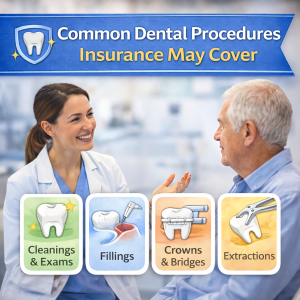
A typical senior dental plan tends to break down services into preventive, basic, and major procedures. Preventive services, such as routine checkups and cleanings, are often covered at 100%, aiming to catch any potential issues early.

Basic procedures might include fillings and extractions, where partial costs are covered by the plan. Major procedures like crowns and dentures, which often require higher out-of-pocket expenses, may have more limited coverage.

Understanding what level of coverage each service falls under is key to setting expectations.

The concept of a fee schedule plays a major role in how much a plan pays. This predefined list assigns specific amounts that an insurer is willing to pay for covered services, while any remaining cost falls to the insured.

Knowing the fee schedule helps seniors anticipate the cost and prepare accordingly.

Dental insurance often doesn’t cover all treatments. Certain procedures might be considered elective or cosmetic, meaning they might not be included in regular plans.

Thus, knowing what your insurance doesn’t cover is as important as knowing what it does. Regularly checking your plan’s covered services helps avoid surprises when visiting the dentist.

Understanding these components of dental insurance empowers seniors to proactively manage their oral health. A clear grasp of what plans offer, the benefits available, and what the plan pays for lessens the stress often associated with managing dental costs.

Such knowledge supports seniors in making informed decisions tailored to their needs, allowing for healthier mouths and happier lives.

Always consider seeking advice from a licensed insurance expert if there’s confusion about the plans. They can help clarify complex details and ensure the chosen plan aligns well with personal dental needs.

When comparing dental plans, look at the comprehensiveness of services, consider the cost of different procedures, and evaluate if the plan suits your dental health goals.

Ultimately, understanding dental insurance is about preparing to manage oral health confidently while considering financial aspects, with proper planning, smoothing out many bumps along the way.

Overview of Dental Coverage for Seniors

What Are Common Exclusions in Dental Plans?

Understanding dental plans means grasping what they cover and what they exclude. As you explore dental insurance options, it’s crucial to know about common exclusions.

These excluded services in senior dental coverage can surprise policyholders if they assume certain procedures are covered. By recognizing these exclusions, seniors can plan their dental care more effectively.

In this section, we’ll delve into common exclusions in dental plans, why they occur, and how they impact your overall dental coverage. Being informed helps you manage expectations and avoid unexpected costs when planning for dental procedures.

Examples of Commonly Excluded Services

Many dental insurance plans come with exclusions that may bewilder seniors if they’re not prepared. Understanding these exclusions in your dental plan can prevent unexpected out-of-pocket expenses.

For instance, cosmetic dentistry is often excluded from most standard dental insurance policies. This includes procedures like teeth whitening.

While these treatments enhance appearance, they’re not deemed medically necessary, making them typical exclusions.

Orthodontic treatments are another common exclusion in many plans, unless the insurance is specifically designed for orthodontics. This can be surprising for those who may need braces later in life.

It’s essential to remember that standard plans often omit these kinds of specialized services.

Even some implant procedures can be excluded unless you have a dental plan that incorporates advanced treatments. Insurance companies often limit coverage for these high-cost procedures, labeling them as non-essential to basic oral health.

Routine services like dental exams and cleanings are generally covered. However, advanced diagnostics or treatments may not be.

For example, jaw alignments or certain periodontal treatments might fall outside the coverage scope, being excluded due to their specialized nature.

Finally, services related to pre-existing conditions can be excluded or limited under certain plans. If dental issues existed before the coverage started, the insurance might not cover related treatments, as they’re often considered part of a pre-existing condition exclusion.

It’s crucial to carefully review your dental insurance policy. Understanding what service exclusions exist can help prevent unexpected bills and allow for better financial planning.

Speaking with a licensed insurance expert can clarify which services your plan covers and what it does not, giving you the understanding needed to navigate your coverage.

Why Exclusions Matter in Your Dental Plan

Exclusions play a significant role in shaping your dental insurance experience. Knowing what’s excluded from your plan helps you make informed decisions about your dental care.

Without this understanding, you might face financial surprises when you anticipate coverage for a service that isn’t included in your dental plan.

Exclusions impact both the services you receive and the cost of your dental treatments. If a procedure isn’t covered, you may need to pay the full fee out-of-pocket.

This could significantly alter your dental budget and affect the appeal of a dental plan, especially when considering services you regularly use. For seniors, knowing these exclusions is essential for financial planning.

The benefit maximum is another critical factor affected by exclusions. This is the maximum amount your insurance will pay in a year.

If multiple treatments you need are excluded, you might reach your benefit maximum quickly, leaving you without coverage for the rest of the year.

Moreover, understanding exclusions supports better healthcare management. For instance, if cosmetic dentistry is excluded, focusing on preventive care through regular cleanings and exams can maintain your oral health, reducing the need for extensive procedures later.

This strategic approach helps make the most of your covered services while navigating exclusions.

Communication with your insurer or a knowledgeable professional can clarify these terms. They can often provide detailed explanations about why specific treatments are excluded.

This helps in aligning your dental care approach with what’s actually covered, fostering a more predictable experience.

Ultimately, exclusions shouldn’t deter you from obtaining coverage but rather encourage thorough research. By exploring these insurance components thoughtfully, seniors can select plans that align closely with their personal needs and expectations.

Stay informed to make empowered decisions about your dental coverage. When exclusions are well-understood, insurance becomes a tool to support health, rather than a source of unexpected expense.

Comprehensive knowledge ensures you’re prepared for what’s covered, leading to a more confident and proactive approach to managing your dental health.

Remember, knowing your exclusions not only helps in financial planning but also empowers you to maintain ongoing oral health, ensuring a broad smile with a network of support and informed choices.

In conclusion, understanding the intricacies of dental plans, including common exclusions, is crucial for seniors when navigating their coverage options. Consider entering your ZIP code on our site to compare Medicare options, and call for personalized help once our phone number is available.

Find & Compare Plans Online

Speak with a licensed insurance agent

1-855-425-2095TTY 711

Mon-Fri: 8am-9pm ET

Tips for Choosing the Right Dental Plan

Choosing the right dental plan involves more than just selecting a policy with the lowest cost. It’s about finding comprehensive coverage that meets your specific needs as a senior.

Consider types of services covered, cost-sharing details, and exclusions that might catch you off guard. By understanding these elements, you ensure the plan will support your oral health journey without unexpected expenses.

Let’s explore how to check what’s covered in your dental plan and the benefits that come with understanding insurance terms thoroughly.

How to Check Covered Services in Your Plan

When selecting a dental plan, knowing how to check for covered services is critical. First, look for a detailed summary of benefits and a fee schedule.

This document outlines what the plan covers and how much it pays for specific treatments. Dig deeper into whether preventive services like cleanings and exams are fully covered.

Preventive care is often prioritized to catch problems early, potentially saving costs on more intensive procedures later.

Check if basic services, such as fillings and extractions, are included. These are common needs for older adults, so having a plan that covers them is beneficial.

Each dental plan may define covered, basic services differently, so specifics matter.

Major services often have more exclusions or limitations. Crowns, dentures, or root canals may only be partially covered, requiring a careful plan evaluation.

It’s wise to align your choice with the dental work you anticipate needing. Investigate any waiting periods for these services, as some plans might require you to wait months before they’re covered.

Additionally, ensure your chosen plan suits your situation by thinking about current and potential needs. Consider the impact of aging on your dental health and whether you might require more comprehensive treatments in the near future.

Seniors often face unique dental challenges, making it essential to anticipate future needs while ensuring current coverage.

Consult with an insurance expert if needed. Understanding each element of your coverage, including what constitutes a covered service, can prevent surprises at the dentist’s office.

Experts often provide insights into any recent changes in plan offerings or upcoming coverage shifts, making sure you’re never caught off guard.

In summary, having a clear understanding of your dental insurance’s covered services enhances the ability to plan dental visits strategically. This foresight aids in budget management and ensures access to necessary care.

Informed decisions about coverage can significantly improve your overall dental health experience by minimizing unexpected expenses.

Tips for Choosing the Right Dental Plan

Benefits of Understanding Insurance Terms

Understanding insurance terms doesn’t only help you avoid confusion; it empowers you to make informed choices. Knowing the language of insurance leads to better comprehension of how dental benefits work.

For seniors, getting familiar with key terms ensures a smoother experience when services are needed.

Perhaps you’ve encountered terms like deductible, copayment, or coinsurance while exploring dental plans. These terms describe your financial responsibilities. The deductible is the amount you pay before your plan kicks in.

Meanwhile, the copayment is a fixed fee for services, and coinsurance is the percentage you pay after the deductible. Understanding these components can greatly impact how you budget for care.

Fee schedules deserve special attention. They’re predetermined lists that specify what the insurance will pay for each service.

Knowing this helps in anticipating out-of-pocket costs, especially for major procedures. Aligning your budget with this knowledge prevents stress from unexpected dental bills.

Another benefit is gaining insight into eligibility terms. Knowing if certain procedures need pre-approval or if there are conditions for coverage can affect your dental care timeline.

Some plans might limit how often you can receive treatments like cleanings, so checking these details prevents misunderstandings.

Also, learning about comparative terms such as ‘in-network’ versus ‘out-of-network’ helps optimize your insurance. Using in-network providers can significantly reduce costs, as rates have already been negotiated with your insurer.

Avoid surprises by confirming whether your preferred dentist falls into this category.

Communicate with your insurer or dental office directly to clarify any complex wording. They can explain details that might otherwise be confusing, ensuring you’re making choices based on a full understanding.

Ultimately, understanding insurance terms equips you to manage both dental care and financial aspects effectively. This knowledge plays a crucial role in emergency situations or when planning long-term treatment.

It ensures that you’re not only prepared for what’s covered but also fully in control of your oral health management. Knowledge fosters confidence, leading to healthier outcomes and more satisfied smiles.

In conclusion, navigating insurance terms with clarity reduces stress and enhances your ability to make the most of your dental plan. Remember to explore your options by entering your ZIP code on our site for comparing Medicare choices, and feel free to call for a personalized consultation as soon as we make our phone numbers available.

Taking these steps supports informed decision-making, securing better health and peace of mind.

Tips for Choosing the Right Dental Plan

Conclusion: Navigating Dental Plans with Confidence

Understanding dental plans is essential for ensuring your oral health is protected without unnecessary surprises. As we’ve explored, dental insurance offers a range of benefits but also comes with common exclusions that require your attention.

Recognizing these exclusions helps seniors like you anticipate potential out-of-pocket costs and make informed decisions about your dental care.

Dental plans often vary in terms of the coverage they provide, so being informed about what your plan covers, or doesn’t, is crucial. For instance, while preventive services like regular checkups and cleanings are typically covered to a greater extent, other services may have exclusions.

Comprehending these key aspects prevents unexpected expenses from impacting your budget.

When evaluating a potential plan, thoroughly review the summary of benefits. Look for details on covered services and any exclusions that might affect your healthcare decisions.

It’s particularly important for seniors to acknowledge the exclusions related to procedures like cosmetic dentistry, orthodontics, and certain major treatments, such as implants. Understanding these can safeguard against future surprises.

The fee schedule also plays a pivotal role in determining what you’ll pay for dental services. Being familiar with this, alongside your plan’s exclusions, grants you greater control over your financial planning.

This knowledge can significantly affect how you budget for dental procedures in the future.

While the process of choosing a dental plan may seem daunting, remember you aren’t alone. Consultations with licensed insurance experts can provide clarity, helping you interpret complex details and match the plan to your specific needs.

This approach ensures that your selected plan offers the most comprehensive coverage possible, while aligning with your dental health goals.

Ultimately, your understanding of dental insurance should empower you, not overwhelm you. As you navigate through your dental coverage options, keep in mind these insights to maintain confidence in your choices.

By knowing the ins and outs of your coverage and planning accordingly, you’re setting yourself up for better oral health and peace of mind.

We encourage you to enter your ZIP code on our site to compare your Medicare options. Once our phone number is available, feel free to call for personalized assistance.

Taking these steps will provide the support you need to make informed decisions, ensuring that your dental plans and health align harmoniously.

By understanding what dental insurance often excludes, you can better evaluate your coverage needs. Remember, your smile is important.

Visit MedicarePlansResource.org and enter your ZIP code to explore options that fit your needs and budget. You can also speak with our friendly team for guidance when our phone service becomes available.

We’re here to help you make informed decisions about your dental coverage and overall healthcare needs with clarity and ease.

Compare Dental Plans

Frequently Asked Questions

What are dental plan exclusions?

Exclusions are services your dental plan does not cover, meaning you pay the full cost out of pocket.

Are cosmetic dental procedures usually covered?

No, treatments like teeth whitening or cosmetic veneers are typically excluded from coverage.

Do senior dental plans cover major procedures?

Some major services like implants, dentures, or crowns may be limited or excluded, depending on the plan.

Are pre-existing dental conditions covered?

Many plans exclude or limit coverage for dental issues that existed before the policy started.

How can I avoid surprises with dental exclusions?

Review the plan’s summary of benefits and exclusions carefully before enrolling.

Have Questions?

Speak with a licensed insurance agent

1-855-425-2095

TTY users 711

Mon-Fri: 8am-9pm ET

Find & Compare Plans Online

Speak with a licensed insurance agent

1-855-425-2095TTY 711

Mon-Fri: 8am-9pm ET

ZRN Health & Financial Services, LLC, a Texas limited liability company