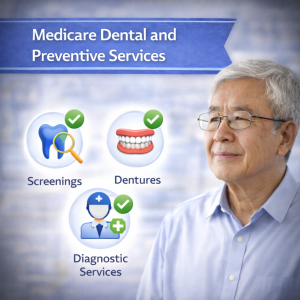
Aetna Dental Individual Plans

Aetna offers a range of dental insurance plans and student health insurance options, focusing on providing flexibility and added benefits to suit different needs. Their individual dental plans aim to cover basic preventive care, while supplemental health benefits can help with unexpected costs. Meanwhile, Aetna Student Health provides solutions for college students looking for reliable health coverage, including dental.

Understanding these plans can help you make informed decisions about your healthcare and dental insurance needs, ensuring you have access to essential services while managing costs effectively. Learn more about Aetna dental plans from our other articles, such as our article on Aetna Dental PPO Insurance.

Key Highlights

  • Aetna offers dental and student health plans with flexible, supplemental benefits to suit different needs.
  • Plans cover preventive, basic, and major services like cleanings, exams, fillings, and prosthetics.
  • Aetna Student Health combines comprehensive health and dental care tailored for students.
  • Understanding in-network versus out-of-network benefits ensures cost-effective and convenient care.
  • Aetna’s Vital Savings program offers discount access to dental services for budget-conscious individuals.

Compare Dental Plans

Understanding Aetna Dental Coverage

Getting familiar with Aetna dental insurance offers a reassuring path to understanding how to meet your dental care needs. Aetna, a well-regarded insurance company, delivers a range of dental insurance plans designed to cater to different lifestyle needs and preferences. When exploring Aetna’s offerings, you can find options that include comprehensive dental plans covering preventive, basic, and major dental services.

By choosing the right plan, individuals and parents of college students can ensure they have access to both primary health and supplemental dental care. Let’s delve deeper into what Aetna’s dental individual plans and student health options with supplemental benefits include.

What Aetna Dental Individual Plans Include

Aetna’s dental individual plans are designed to offer straightforward access to various dental services, ensuring that both routine and unexpected dental care needs are met. Whether you’re an individual looking for standalone dental insurance or require coverage as part of a broader health insurance plan, Aetna’s offerings can be a suitable match. Individual plans typically cover preventive dental services like cleanings and exams, which can help you maintain oral health and catch issues early.

These covered services aim to save money in the long run by minimizing more significant problems that could lead to expensive treatments.

Beyond preventive care, Aetna’s dental plans often include coverage for basic services such as fillings and extractions. These basic services are crucial since they deal with common dental issues that many people face. Coverage details might vary by location, so it’s wise to check specific plan benefits associated with your area.

Typically, Aetna manages these services under a co-payment or co-insurance model, which could lower out-of-pocket costs for you. Such structures are common across many insurance companies, ensuring that you have predictable costs when visiting a network dental provider.

Delving further, Aetna also integrates coverage for prosthetic services, which include bridges, dentures, and even implants. These are covered under major services in Aetna dental plans. While there might be waiting periods or a cap on certain treatments depending on your plan, having access to these options ensures that significant tooth restoration efforts don’t come at an inaccessible price.

Moreover, implementing a yearly cap on these services could help in balancing plan premiums and keeping the plans affordable.

Understanding eligibility requirements is key when considering dental insurance. Aetna sets criteria detailing who can become a covered person under their plans, typically adults and seniors. By taking advantage of their seasoned expertise, subscribers can navigate their insurance options with greater confidence. Aetna also enables flexibility by offering both in-network and out-of-network plans, allowing you to choose a dental provider that fits your comfort zone and expectations.

Ultimately, Aetna’s plans are tailored to simplify the ins and outs of dental insurance, providing clarity and assurance in selecting the best-suited dental care options.

Exploring Preventive Services in Dental Plans

Benefits of Aetna Student Health with Dental Options

Aetna Student Health plans are tailored to address the unique challenges that students face, including access to balanced healthcare during their academic journey. When you choose an Aetna Student Health plan with dental insurance, you benefit from comprehensive health insurance that incorporates dental care seamlessly.

Understanding how these benefits work in tandem can enhance a student’s healthcare experience by reducing out-of-pocket costs and offering easy access to necessary services right at their campus or nearby providers. Accessibility ensures minimal disruption to the student’s academic pursuits while supporting their comprehensive health needs.

The integration of supplemental health benefits, including dental care, within Aetna Student Health plans means students aren’t left to navigate their dental care needs alone. Eligible dental services often encompass preventive measures like regular cleanings and check-ups, which help manage a student’s oral health effectively. Furthermore, coverage usually spans basic restorative services for common issues such as cavities, which maintains health without significant interruptions or prohibitive costs.

For parents and caregivers, these plans offer peace of mind. Knowing that their children or dependents have easy access to essential healthcare resources, from vaccines and wellness visits to necessary dental care, they can focus more on their studies and less on healthcare logistics. Moreover, large network options enable covered persons to find plan options starting with local practitioners or expand to broader networks, ensuring availability wherever the student attends school. This flexibility is important as it aligns with the mobility and unpredictability of student life.

Aetna’s supplemental health benefits also underscore prosthetic services, elevating the degree of care available to students who might need more than routine check-ups. While these services might come with limitations, such as pre-authorization or specific plan provider requirements, knowing they are available fosters a structured path to broader healthcare access. Changes in plan options may occur as the student progresses from undergraduate to graduate studies, offering evolving coverage tailored to their academic standing.

To sum up, Aetna Student Health plans with dental insurance are crafted to convenience students and support their health on multiple levels. Through transparent communication and accessible services, Aetna endeavors to simplify the complexities of health and dental insurance, facilitating a smooth experience for students and families. For those concerned about coverage details, Aetna’s customer service team is available to clarify plans, benefits, and eligibility, making transitions smoother and ensuring a focus on education and wellbeing.

Exploring Preventive Services in Dental Plans

Diving into dental plans often reveals a significant focus on preventive services, which are designed to maintain oral health and minimize costly treatments. These services, commonly included in Aetna dental insurance options, aim to keep both children’s and adults’ dental issues in check. By regularly utilizing preventive care, you can ensure clean, healthy teeth while addressing potential problems early.

Preventive services typically cover regular cleanings, exams, and x-rays, establishing a solid foundation for oral health. Understanding these elements can help you navigate your plan effectively and make informed decisions about your dental care.

Why Preventive Care Is Important

Preventive care in dental plans is crucial because it focuses on maintaining and enhancing oral health before substantial issues develop. This form of care, offered by insurers like Aetna, emphasizes regular check-ups and cleanings. These appointments are not merely routine; they’re protective measures against complex dental problems.

When you schedule biannual visits for cleanings and exams, small issues like plaque build-up or minor cavities can be detected and addressed promptly. These routine appointments are typical covered services under most dental plans, including those from Aetna, ensuring that the expenses for these essential visits remain manageable.

Dental insurance plans that prioritize preventive services often lead to better long-term health outcomes. This is because early intervention reduces the need for costlier treatments such as root canals or crowns. When insurers incorporate these services into their plan benefits, they signal a commitment to the well-being of their subscribers, aiming to minimize discomfort and maintain oral health without encountering large future bills.

For example, by covering preventive services like fluoride treatments or sealants, insurance providers can protect the enamel and reduce the likelihood of tooth decay, particularly in children and teenagers.

Furthermore, preventive care can contribute to overall health beyond the mouth. Research indicates that maintaining oral health can prevent systemic diseases, including heart disease and diabetes. This holistic perspective is beneficial for seniors and caregivers seeking comprehensive, proactive healthcare strategies.

With regular dental visits under a well-structured plan, individuals can potentially reduce the occurrence of these broader health complications. By lowering the risk of complex health issues, preventive services in dental plans serve a dual purpose: protecting your smile and enhancing your overall health.

Engaging consistently in preventive dental care can also redefine your relationship with dental visits, moving from apprehension to peace of mind. This routine aspect of your dental plan creates predictability in both care and expenses, which is especially reassuring for seniors managing fixed incomes. It emphasizes that maintaining health doesn’t always have to be reactive, you have the capacity to act preventively.

Individuals and families can take advantage of these plan benefits, ensuring regular access to necessary services. This proactive approach not only secures oral health but also the financial health of your budget.

Key Features of Preventive Services

The features of preventive services in dental plans are designed to ensure comprehensive and proactive oral health management. Services commonly covered include regular dental check-ups, cleanings, fluoride treatments, and x-rays. Dental plans, like those offered by Aetna, prioritize these services, recognizing their importance in preventing more severe health issues.

Regular cleanings help remove tartar and prevent gum disease, laying a foundation for healthy teeth and gums. Fluoride treatments, often included in such plans, strengthen the enamel, making it less susceptible to decay.

X-rays are another critical feature, allowing dentists to see beyond the surface and diagnose any hidden problems like impacted teeth or bone loss. Including this as a covered service in dental insurance plans underscores the emphasis on early detection, finding and treating issues before they escalate. The scope of preventive services might vary by plan and location, but the goal remains consistent: maintaining optimal oral health and avoiding substantial dental costs down the road.

One key advantage of these services is their cost-effectiveness. While some out-of-pocket expenses might be necessary, the reduced need for significant dental procedures ultimately saves money. Many insurance providers, including Aetna, structure their plans to allow for such savings, reflecting a balanced approach between premiums and out-of-pocket expenses.

For instance, with biannual check-ups often covered without additional charges, policyholders can maintain dental health affordably while protecting themselves against unforeseen issues.

Another notable feature is the flexibility offered by many plans, which allows plan holders to select in-network providers with substantial expertise in preventive care. This part of Aetna dental plans is particularly beneficial for seniors and caregivers looking for specific services close to home or that align with personal or family needs. Greater access to a range of qualified dentists through expansive networks ensures convenience and confidence.

It allows you to choose providers who not only deliver excellent prophylactic services but do so with a personal touch, fostering a more comfortable and less stressful dental experience.

Overall, preventive services form the cornerstone of effective dental care within insurance plans. They bridge the gap between cost containment and comprehensive care, empowering plan holders with the tools necessary for maintaining lifelong oral health. These services help prevent unexpected financial burdens associated with dental issues.

By evaluating your specific plan’s details, you can ensure it provides the preventive care necessary to support your personal needs, and aligns with your budgetary constraints and health care goals. Ultimately, understanding these components can foster a more informed and empowered approach to dental health management.


Preventive ServicesBenefits & FeaturesImpact on Health & Costs
Regular CleaningsIncludes plaque removal and polishingHelps maintain oral hygiene and reduces the risk of cavities
Fluoride TreatmentsStrengthens tooth enamel and prevents decayCost-effective in preventing future dental issues
Dental ExamsComprehensive check-ups to monitor oral healthEarly detection of potential problems reduces long-term expenses
Sealants ApplicationProtects against cavities, especially in childrenMinimizes need for more extensive restorative work
X-RaysProvides detailed images for accurate diagnosisAids in timely intervention, preventing progression of issues

This table highlights how preventive services in dental plans are structured to promote comprehensive oral health and prevent costly treatments.

Find & Compare Plans Online

Speak with a licensed insurance agent

1-855-425-2095TTY 711

Mon-Fri: 8am-9pm ET

Comparing Plan Choices and Network Options

When navigating the world of dental insurance with Aetna, it’s key to understand both the choice of plans and the network options available to you. Aetna’s dental plans are crafted to offer flexible, tailored coverage that meets diverse needs, including those of students and adults alike.

Diving into the differences between in-network and out-of-network benefits and assessing the best plan for your specific situation are crucial steps. These considerations can ensure you or your loved ones get the care needed in a cost-effective and convenient manner.

Understanding In-Network and Out-of-Network Benefits

Grasping the concept of in-network and out-of-network benefits is fundamental to making informed dental insurance choices. When you choose a plan with Aetna, understanding the provider networks available is crucial. In-network providers are those who have contracted with Aetna to offer services at pre-negotiated rates.

This network option is often preferred due to the potential savings on out-of-pocket costs for covered services. Visiting in-network providers typically results in lower copayments and coinsurance costs, which can benefit both seniors and students balancing healthcare budgets.

By contrast, out-of-network providers do not have such agreements with Aetna, which may lead to higher expenses for covered services. While some plans offer flexibility to see any dentist, including out-of-network options, this usually comes with higher cost-sharing responsibilities. Understanding these dynamics helps seniors and students choose wisely based on needs and financial circumstances.

It’s not just about cost efficiency, choosing an in-network provider also simplifies the billing process. In-network providers usually handle claims directly with Aetna, reducing the paperwork burden on the insured and ensuring smoother, quicker service delivery. When seniors or students need dental care, especially for urgent or extensive treatments, having a clear understanding of network coverage can spare unnecessary financial strain and administrative headaches.

However, there are instances where out-of-network care might be necessary, such as during travel or when specialized dental services are required that aren’t available in-network. Knowing whether your plan includes out-of-network benefits can make a significant difference. For those who prioritize the widest possible choice of providers, a plan with both in-network and out-of-network coverage can offer valuable flexibility.

To optimize the benefits you’re entitled to, familiarize yourself with the specifics of your policy by reviewing the list of covered services and potential cost-sharing amounts. A thorough understanding of what’s covered at in-network and out-of-network levels will help seniors and students personalize their dental care experiences while maintaining control over their budgets. If questions arise, discussing these elements with an Aetna representative can provide further clarity and guidance, ensuring a well-informed approach to selecting dental services.

Choosing the Right Plan for Your Needs

Choosing the right dental plan revolves around evaluating your individual health care needs, financial capabilities, and preferences for provider networks. Aetna offers a variety of plans designed to accommodate the spectrum of dental care requirements, from basic preventive care to more complex procedures like implants or orthodontics. Seniors often have different priorities compared to younger individuals, such as managing costs for comprehensive dental restorations which are covered under Aetna’s major services benefits.

When assessing Aetna’s offerings, consider the balance between monthly premiums and out-of-pocket expenses like copayments and deductibles. Plans with lower premiums might involve higher costs during dental visits, whereas plans with higher monthly charges might reduce those at-the-time expenses. It’s crucial to strike a balance that aligns with your financial situation and anticipated dental needs.

For students, opting for a plan integrated with their health insurance can cultivate a seamless approach to managing healthcare, freeing up more time for studies and less for navigating copayment complexities.

Additionally, assessing the available supplementary benefits can amplify your coverage experience. For instance, Aetna Student Health plans incorporate essential dental coverage that works well in tandem with academic schedules. These considerations might sway your choice toward one plan over another, especially in scenarios where convenience and comprehensive coverage are paramount.

Another factor to consider is any additional perks provided by the insurance plan. Aetna might offer discounts on services outside the norm, such as cosmetic dentistry or adult orthodontics, which can further enhance the value of the plan. With the numerous network options available, seniors can choose providers based on recommendations, proximity, or specific needs, securing satisfaction with their chosen path.

Ultimately, the right plan is one that caters to your unique circumstances, whether prioritizing routine preventive services for maintaining hygiene or preparing for major dental work. Compare the benefits and limitations of each plan with an eye on current and anticipated needs. Speak with an Aetna representative to clarify any uncertainties and ensure that you are comfortable and confident in your selection.

Given the variety of plans and services, it’s feasible to identify a suitable choice that fits seamlessly into your lifestyle and offers robust dental care support for the long term. Lastly, always remember that your location can influence plan specifics, so checking local availability and benefits is crucial. For those ready to explore further, entering your ZIP code on our website can begin that journey of finding a fitting dental insurance plan tailored to your needs.

Considering Cost and Affordability

Considering Cost and Affordability

When evaluating dental insurance, cost and affordability are crucial factors. Aetna’s dental plans aim to provide comprehensive coverage while staying within budget, balancing essential dental services with affordable premiums. These plans allow individuals to maintain oral health without incurring hefty expenses. Aetna’s commitment to cost-effectiveness is evident in their diverse offerings and additional programs, which promise accessible dental care.

Solutions such as the Vital Savings plan offer further discounts, enhancing affordability for seniors and families alike. Understanding these options can aid in navigating the economic landscape of dental insurance effectively.

Finding Affordable Solutions with Aetna Dental

Finding an affordable dental insurance plan can be daunting, especially when looking for quality coverage without overspending. Aetna Dental offers a series of plans specifically designed with affordability in mind, ensuring that members have access to necessary dental services without breaking the bank.

These plans cater to a wide range of dental care needs, from basic preventive services to more comprehensive dental work. Key to assessing Aetna’s affordability is examining the balance between premiums, deductibles, and out-of-pocket maximums.

Aetna’s plans usually emphasize preventive care, which includes dental cleanings, exams, and x-rays. These services are often covered with little to no out-of-pocket cost, which greatly assists in maintaining health and detecting problems early on. By prioritizing prevention, Aetna helps plan members avoid costly procedures in the future, keeping ongoing costs manageable. The advantage is twofold: maintaining good oral health while preserving financial health.

The concept of affordability is further supported by Aetna’s structure of plan benefits. For many plans, services like fillings and extractions are considered basic and come with predictable costs, thanks to copayment or coinsurance models. Members thus have a clear understanding of what their expenses will be at the dentist, fostering confidence in receiving care when needed without financial surprise.

For individuals requiring significant dental work, major services such as crowns, bridges, and even implants are included within certain Aetna plans. While these might come with higher costs than preventive care, Aetna still offers competitive terms. Some plans have waiting periods or annual maximums, which although might seem like limitations, actually help control premium costs, keeping the plans viable and more accessible for a broader audience.

Another aspect of Aetna’s affordability comes through their expansive network of providers. By using in-network dentists, members benefit from pre-negotiated rates that reduce out-of-pocket expenses. This network includes numerous professionals, ensuring that members can find care close to home, which is particularly beneficial for seniors or those with limited transportation options.

It is also worth mentioning the impact of location on affordability. Plan specifics and costs may vary based on where you live, so it’s essential to understand the local details. Aetna provides tools for their members to input their ZIP code and explore plan options that best serve their location and specific needs.

This approach makes sure that all demographics, be it seniors, students, or families, can find cost-effective dental insurance tailored to their geography.

Lastly, Aetna’s transparency with costs and coverage terms ensures that members can plan their annual dental care expenditure, contributing to a more affordable insurance experience. For those uncertain about which plan to choose, Aetna’s customer service offers guidance to help explore affordable options, ultimately fostering a sense of empowerment and control over personal dental care finances.

Based on the comprehensive insights into Aetna Dental’s affordability, let’s explore additional factors that help members make informed decisions about their dental plans:

  • Compare premium costs and deductible amounts, finding a balance that suits your financial situation.
  • Investigate in-network providers to maximize savings and reduce unexpected expenses.
  • Understand co-payment and coinsurance models to project typical out-of-pocket costs accurately.
  • Consider the implications of waiting periods and annual maximums on long-term dental care planning.
  • Use Aetna’s ZIP code tool to tailor plan choices to your location’s specifics and requirements.
  • Evaluate the coverage of major services for potential future dental needs.
  • Check plan details for flexibility in preventive care appointments and procedures.

These elements collectively enhance your ability to strategically select an Aetna Dental plan that aligns with both your health needs and budgetary constraints.

The Role of Vital Savings Programs

While traditional dental insurance is a robust way to cover major dental expenses, Aetna’s Vital Savings program offers an alternative or complement to insurance plans by providing access to network savings for dental services. This program is not insurance but a discount card, entitling members to savings on typical dental care expenses. For seniors or individuals not ready to commit to a full insurance plan, this option presents a financially appealing way to receive care.

The Vital Savings program allows members to save on a range of dental procedures simply by presenting their discount card at network dental professionals. This feature can be highly attractive if maintaining flexibility in healthcare spending is your priority. What is beneficial about these savings programs is their straightforwardness in reducing costs without the need for claims processing or waiting periods.

Members immediately pay the discounted rate directly to their dental provider, making it hassle-free and significantly cutting overall dental expenses.

One of the striking advantages of the Vital Savings program is its applicability across various dental services, including preventive, basic, and even some elective procedures. This wide applicability allows participants to have consistent care, supplemented by notable savings on services that they would typically pay much more for if uninsured. It notably includes coverage for orthodontics, which is a bonus for parents and caregivers seeking cost-effective care solutions for youthful members of their families.

The program not only targets routine care but also extends savings on more advanced treatments, which typically carry higher price tags. For example, discounted rates might apply to services such as tooth extractions or root canal therapy. By providing these savings, Aetna supports members in managing the financial aspect of heavier dental work, making these necessary procedures more accessible financially.

An additional appeal of the Vital Savings program is its absence of intricate paperwork. Without the need to submit claims or tackle the complexities of dealing with detailed insurance policies, members enjoy a simplified experience. This no-nonsense, straightforward approach ensures that your focus remains on receiving necessary care rather than navigating administrative barriers.

Plus, it involves a low enrollment fee that underscores its role as an affordable solution for those aiming to stretch their dental care dollars further.

Moreover, as families consider budget constraints, the Vital Savings program by Aetna buoys their financial flexibility, offering peace of mind. It makes dental care approachable and affordable across many budgets, affirming Aetna’s commitment to looking after its members’ well-being. By providing this choice, Aetna empowers individuals to pursue dental health confidently, without feeling burdened by prohibitive costs.

In conclusion, Aetna’s Vital Savings program plays a significant role in broadening access to affordable dental care. It provides a strategic and economical supplement to traditional insurance plans, adding layers of flexibility to your dental health decisions. This method of savings ensures that no matter the situation, maintaining oral health remains attainable and stress-free.

If you’re interested in incorporating such savings into your dental care plan, entering your ZIP code on our website can further guide you towards tailored options available in your region.

How to Begin Exploring Your Coverage Options

Figuring out the right dental coverage can seem like a daunting task, but understanding your options can make the process far more manageable. Aetna offers a wide range of dental plans and Aetna Student Health options that integrate supplemental health benefits. By carefully considering your specific needs, be it comprehensive individual coverage or plans tailored for students, you can ensure you’re making an informed decision.

Start by evaluating which aspects of coverage are most important to you and your family, whether that includes preventive care, prosthetic services, or network options providing sufficient flexibility.

Steps to Finding the Best Coverage Fit for You

Embarking on the journey to find the best dental coverage requires a clear understanding of your needs and priorities. Begin by evaluating what types of dental services you expect to use most frequently. For some, this might be routine check-ups and cleanings, while others might need coverage for more extensive procedures like crowns or dental implants.

Identifying your primary needs will help narrow down the plan options best suited to your requirements. For example, exploring Aetna’s coverage options can help you assess whether their individual or student health plans meet your expectations for preventive and major dental services and how these align with your budgetary considerations.

Once you’ve identified your primary needs, the next step involves understanding the different types of coverage options available. Aetna provides a variety of plans that emphasize both in-network and out-of-network benefits. In-network plans typically offer lower copayments and are cost-effective when visiting preferred providers.

However, if flexibility is essential to you, out-of-network options may still be a consideration, despite potentially higher costs. Analyzing how these elements fit into your lifestyle can ensure that you’re selecting a dental plan that supports not only your present health needs but also possible future ones.

Price, understandably, plays a crucial role in the decision-making process. Assess the balance between monthly premiums, deductibles, and out-of-pocket maximums. Aetna’s plans vary significantly in terms of financial commitment requirements.

Some plans might have low monthly premiums but higher costs when services are used, while other plans with higher premiums might reduce the economic pressure at the dentist’s office. Understanding these financial dynamics is key to avoiding any unexpected expenses while receiving the level of care you desire.

Supplementary benefits are another critical factor worth examining thoroughly. Particularly for students, Aetna Student Health plans integrate dental coverage that fits their specific schedules and needs. This type of plan ensures that dental care can continue without disrupting academic activities.

Additionally, consider any additional perks that might be included, such as discounts on elective procedures which can provide further value and enhance your satisfaction with your plan.

Finally, network resources greatly influence your plan choice. Aetna offers a broad network of dentists and dental specialists, which can ease decision-making by allowing a choice of providers close to home or work. This accessibility could be a deciding factor for seniors who may face transportation challenges.

It’s important to assess the size of the network and the convenience of provider locations when determining the right plan for your needs.

As part of your decision-making process, evaluate local policies and understand how they might affect plan options. For example, entering your ZIP code on our website ensures you can explore tailor-made insurance options reflective of your regional guidelines and coverage needs. This will help solidify your decision and provide peace of mind that the coverage selected genuinely aligns with your unique situation.

In conclusion, navigating the vast landscape of dental insurance coverage options requires careful thought and analysis. By focusing on service needs, network availability, financial implications, and supplementary benefits, you can determine which plan is the best fit. Whether you’re looking for comprehensive individual options or a plan supportive of student life, Aetna’s range provides robust choices.

For further assistance, discussing your needs with an Aetna representative can offer clarity and refine selections based on professional guidance, ensuring you confidently embark on your dental health journey.

Understanding Aetna’s dental individual plans and student health with supplemental benefits can help cater to different needs and stages of life. Whether you’re looking for preventive care or additional coverage, Aetna offers a variety of choices. Be sure to review the specifics, such as covered services and premiums, to find a plan that meets your dental health requirements.

For more information on dental coverage in your area, simply enter your ZIP code to explore options tailored to you. Remember, dental needs and plan availability may vary based on location.

Compare Dental Plans

Frequently Asked Questions

What types of dental services do Aetna's individual plans cover?

Aetna’s individual dental plans typically cover preventive services like cleanings and exams, basic services such as fillings and extractions, and major services that include prosthetic services like bridges and dentures.

What is the Aetna Vital Savings program?

The Aetna Vital Savings program is a discount card offering savings on various dental services. It is not insurance, but provides discounts when visiting network dental professionals for services like check-ups, cleanings, and more advanced procedures.

How do Aetna Student Health plans address student needs?

Aetna Student Health plans offer comprehensive healthcare and dental coverage designed to fit students’ academic schedules, providing essential dental services like regular check-ups and basic restorative treatments alongside health insurance.

What should I consider when choosing between in-network and out-of-network dental services?

In-network providers have pre-negotiated rates with Aetna, usually resulting in lower out-of-pocket costs. Out-of-network services may incur higher costs and require more paperwork, but offer greater flexibility in choosing providers.

How can I ensure my dental plan covers my specific needs?

To ensure your plan covers your needs, consider what services you use most, such as preventive or major services. Balance monthly premiums against out-of-pocket costs, and check if supplementary benefits like discounts or broader network access enhance your preferred plan.

Have Questions?

Speak with a licensed insurance agent

1-855-425-2095

TTY users 711

Mon-Fri: 8am-9pm ET

Find & Compare Plans Online

Speak with a licensed insurance agent

1-855-425-2095TTY 711

Mon-Fri: 8am-9pm ET

ZRN Health & Financial Services, LLC, a Texas limited liability company