Do Any Medicare Plans Cover Dental?

Discovering whether Medicare plans include dental coverage can be confusing for seniors. While Original Medicare usually covers basic health needs, it often does not cover dental care like cleanings, fillings, or dentures. However, Medicare Advantage Plans might offer dental benefits.

These plans are provided by private companies and can include a range of dental services. It’s important for seniors to compare different plans and understand what is included. Explore your options to ensure your dental needs are met. This guide will explain how Medicare and other plans address dental coverage.

Key Highlights

  • Original Medicare typically excludes dental services, requiring seniors to explore other options for coverage.
  • Medicare Advantage plans, offered by private insurers, may include dental benefits but vary widely in coverage.
  • Standalone dental insurance or supplemental plans can help cover dental needs not included in Medicare.
  • Evaluating plan details, like costs and dentist networks, helps seniors find suitable dental coverage.
  • Enter your ZIP code online to identify local Medicare Advantage and dental insurance options.

Compare plans and enroll online

Introduction to Medicare and Dental Coverage

Medicare, the federal health insurance program for people 65 and older, offers essential healthcare coverage but often leaves dental services as an uncertain area for many seniors. Understanding how Medicare interacts with dental care needs is crucial for making informed healthcare decisions. In this section, we’ll delve into the basics of Medicare, its relevance to dental services for senior citizens, and why proper dental care is vital for seniors.


Medicare PartsDental Coverage OptionsImportance of Dental Services for SeniorsConsiderations for Seniors
Part A: Hospital insuranceStandalone dental insurance plansEssential for overall health and well-beingConsider budget constraints and coverage needs
Part B: Medical insuranceMedicare Advantage plans (may include dental)Prevention of dental diseases reduces medical costsCheck if dentists in network align with preferences
Part C: Medicare Advantage (bundled plans)Dental discount programsMaintains nutrition and quality of lifeEvaluate plans annually as needs change
Part D: Prescription drug coverageDental savings accounts (DSAs)Aids in detecting early signs of other health issuesAccess to comprehensive information is crucial

This table offers a concise look into how Medicare and dental coverage intertwine, emphasizing the importance for seniors to understand their options and make informed decisions regarding their dental health.

Understanding the Basics of Medicare

Medicare is a government-run health insurance program primarily serving adults age 65 and older, structured into several parts to cover different aspects of healthcare. Original Medicare consists of Part A, which typically covers inpatient hospital care, and Part B, which focuses on outpatient care, including some preventive services. However, many seniors are often surprised to learn that Original Medicare doesn’t cover dental services, leaving a gap in their healthcare plan that requires additional consideration.

Understanding the role of Medicare Advantage, also known as Part C, is crucial as it sometimes includes dental coverage. Medicare Advantage plans are offered by private insurance companies approved by Medicare and can integrate Medicare Parts A and B, along with additional benefits like dental, vision, and hearing coverage options, offering a more comprehensive package for seniors.

However, it’s important to know that these plans vary significantly, and not every Medicare Advantage plan includes dental benefits, nor do they all cover the same dental services. This means seniors must explore and compare different plans to find one that fits their dental care needs. Navigating Medicare’s complexities can seem daunting, but having access to resources for guidance can make this process easier.

It is crucial for seniors to carefully evaluate their options, potentially incorporating supplemental plans, to secure the dental coverage they need for their health. Overall, understanding the landscape of Medicare and its various components, from Parts A and B to the available Medicare Advantage plans, is imperative for seniors aiming to address their dental care needs effectively and ensure they receive the comprehensive healthcare coverage they deserve.

Importance of Dental Services for Seniors

Dental care becomes increasingly vital as individuals age, making the coverage of dental services through Medicare essential for promoting overall health. Unfortunately, Medicare coverage limits often exclude dental care, which is crucial for prevention and treatment in seniors. As people grow older, they’re more vulnerable to various dental issues such as gum disease, tooth decay, and even tooth loss, which can severely impact their quality of life.

Regular dental checkups and services are essential for not only maintaining oral health but also for preventing significant health problems that might arise due to neglected dental issues, like infections or complications that can affect other areas of the body. For many seniors, dental services such as cleanings, exams, dental fillings, crowns, dentures, and implants are necessary to preserve their oral health and subsequently their overall well-being. Yet, Original Medicare leaves these services without coverage, leading many seniors to seek out alternate routes.

Ensuring access to dental services through Medicare Advantage plans or purchasing stand-alone dental insurance can provide the needed coverage and peace of mind. It’s important to note that dental insurance for seniors must fit the specific needs related to age, existing health conditions, and financial considerations. Seniors are encouraged to assess and understand the different services offered under various Medicare Advantage plans to address gaps left by traditional Medicare, and to understand how soon one can use dental insurance.

While modern healthcare discussions often overlook dental care, it remains a critical component for seniors seeking to maintain not only healthy teeth and gums but also a robust and healthy lifestyle. By finding the right dental coverage, seniors can take charge of their healthcare, avoiding unexpected large bills and ensuring their dental health doesn’t deteriorate due to neglect or inadequate insurance coverage. Ultimately, while Medicare may not cover all dental services, recognizing its importance is a pivotal step for seniors to invest in their long-term health.

Does Original Medicare Cover Dental?

For many seniors, understanding the scope of Original Medicare can be complex, especially when it comes to dental services. Original Medicare, which includes Parts A and B, primarily focuses on hospital and outpatient care but doesn’t extend to most routine dental services. This can come as a surprise to those who assume comprehensive coverage.

However, there are exceptions for certain medically necessary dental procedures if performed in a hospital setting. Exploring what’s included and what’s not in Original Medicare can help you plan more effectively for your dental health and find alternative solutions that suit your needs.

What Original Medicare Includes and Excludes

Original Medicare is often a go-to choice for seniors looking for essential health insurance, but its limitations on dental services can be an important factor to consider. At its core, Original Medicare consists of Part A, which primarily covers inpatient hospital services, and Part B, handling outpatient care and preventive services.

However, dental services are notably excluded from what Original Medicare covers. Whether it’s routine checkups, fillings, crowns, or even dentures, Original Medicare typically doesn’t cover these crucial services, leaving beneficiaries to seek alternative solutions or supplemental plans for their dental care needs.

This gap in coverage can catch many seniors off guard, particularly those who might assume all aspects of their healthcare are automatically covered under their medicare plan. Notably, Original Medicare will cover certain dental services if they’re an integral part of a covered procedure, such as jaw surgery following an injury or disease that requires hospitalization.

But even with these exceptions, the dental coverage is quite limited under Original Medicare. It’s important for seniors to know that while Part A and Part B can handle various hospital and outpatient services, dental isn’t generally on that list unless it’s medically necessary and performed in a hospital setting. The challenge then becomes finding a way to manage the health-related aspects of aging teeth and gums.

There are some Medicare plans that offer additional dental benefits through Medicare Advantage. Medicare Advantage, sometimes referred to as Part C, may offer expanded services, including dental care, because they integrate both Part A and Part B and are managed by private insurance companies.

However, these plans vary significantly, and it’s essential to compare them carefully. Some plans will cover basic dental work, while others extend to more comprehensive services. Unfortunately, even Medigap plans do not cover dental care, which might leave some seniors lacking the necessary coverage solely through Original Medicare.

For many, completely relying on Original Medicare without dental insurance means missing out on essential dental care and risk incurring large out-of-pocket costs for dental services. To bridge this gap, seniors might consider looking into standalone dental insurance or exploring Medicare Advantage plans if available in their area.

By understanding precisely what Original Medicare covers and excludes, seniors can better strategize and explore supplemental Medicare options to ensure they receive comprehensive dental health care. Entering your ZIP code on our site for further guidance can help you find plans that align with your specific location needs and financial considerations.

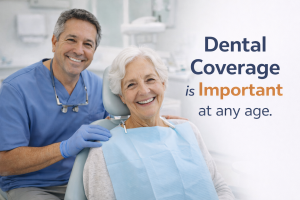
Dental coverage is important

Exploring Medicare Advantage Plans

Medicare Advantage plans, also known as Part C, can be a beneficial option for seniors seeking dental coverage that exceeds what Original Medicare offers. These plans, managed by private insurance companies and approved by Medicare, often provide additional benefits like vision, hearing, and dental care services.

However, with each Medicare Advantage plan differing in the types of services they cover, seniors must carefully assess and compare their options to ensure their dental care needs are met comprehensively. Understanding how Medicare Advantage plans are structured and the specifics of their coverage offerings is crucial for making informed decisions.

How Medicare Advantage Can Cover Dental Care

Medicare Advantage plans present a unique opportunity for seniors aiming to include dental care in their healthcare coverage. Unlike Original Medicare, these plans can offer coverage for dental services, a vital consideration for maintaining overall health as one ages. Medicare Advantage incorporates Parts A and B but is administered by private insurers, meaning coverage varies across different plans.

Some plans might include routine preventive services like cleanings and exams, while others may extend to more complex procedures such as fillings, extractions, or even dentures and orthodontics. Evaluating these differences is essential for finding a plan that suits one’s specific needs and financial situation.

It’s crucial for seniors to note that not all Medicare Advantage plans will include dental benefits. The extent of coverage can vary, with some plans only covering basic preventive services and others covering a broader range of dental treatments.

For instance, some might offer comprehensive services covering not just routine care but also major procedures like crowns or even surgery. Therefore, looking at each plan’s details is important to ensure it aligns with their dental health needs. These plans’ flexibility allows seniors to select coverage that fits best within their healthcare strategy.

The advantages of Medicare Advantage are not just limited to dental services. These plans often also offer other health-related benefits that Original Medicare does not, enhancing their appeal for many seniors. For example, vision and hearing benefits, along with fitness programs, are frequently found in Medicare Advantage offerings.

This broader range of benefits enables seniors to address multiple health concerns through a single plan, potentially simplifying their healthcare management. However, this enhanced coverage can sometimes lead to higher premiums, making the cost-to-benefit ratio a crucial factor to consider when choosing the right plan.

In the context of dental care, another key point is the network of providers associated with Medicare Advantage plans. Unlike Original Medicare, where beneficiaries can go to any provider that accepts Medicare, Medicare Advantage plans often require using network providers to receive full benefits.

This means seniors need to confirm their preferred dentists are in-network to avoid unexpected expenses. Understanding these nuances helps ensure seniors can fully utilize their plan’s benefits without facing unexpected out-of-pocket costs.

Overall, Medicare Advantage plans can be an attractive solution for seniors looking to incorporate dental care into their healthcare coverage. By providing access to dental care services alongside other essential health benefits, these plans offer a comprehensive option for those navigating the complexities of Medicare.

Though not every plan is alike, careful consideration and comparison can guide seniors toward a plan that effectively meets their needs, ensuring they maintain both their overall and oral health. Evaluating plans in relation to one’s particular location and financial scenario is a step that can’t be overlooked in this process. For tailored guidance, exploring resources and networks can also be beneficial in making an informed decision on Medicare Advantage.

To further understand how to evaluate Medicare Advantage plans for dental coverage, consider the following aspects when comparing your options:

  • Assess the specific dental services covered under each plan, focusing on preventive and major procedures.
  • Consider if your preferred dental providers are within the plan’s network to minimize out-of-pocket expenses.
  • Evaluate the overall cost, including premiums, deductibles, and co-pays, in relation to the dental benefits provided.
  • Review additional health benefits offered alongside dental, such as vision or hearing coverage, to determine comprehensive value.
  • Check plan limitations or restrictions on dental procedures to ensure they align with your anticipated needs.
  • Learn about the process for acquiring pre-authorizations for major dental work if required by the plan.

These factors can help clarify the strengths and limitations of various plans, guiding you toward a more informed decision.

Find & Compare Plans Online

Speak with a licensed insurance agent

1-855-425-2095TTY 711

Mon-Fri: 8am-9pm ET

What Other Options Are Available?

For seniors exploring dental coverage beyond Original Medicare and Medicare Advantage, other options exist to help fill the gaps. Supplemental plans and additional coverage choices offer various avenues to cover dental needs that traditional Medicare might not. By considering these alternatives, seniors can enhance their healthcare strategy, accessing essential dental and vision services.

This section delves into the specifics of supplemental plans, insurance options, and additional resources available to expand dental coverage, ensuring seniors have the comprehensive care they deserve. Understanding these options empowers seniors to navigate Medicare’s limitations effectively.

Supplemental Plans and Additional Coverage Choices

Seniors looking for ways to enhance their Medicare dental coverage have several options available through what are known as supplemental plans and additional coverage choices. These plans are designed to fill the gaps left by Original Medicare, specifically in areas like dental and vision services.

Understanding these choices is essential for ensuring you get the most comprehensive coverage possible. One popular option is purchasing dental insurance specifically tailored for seniors. These plans often cover preventive services like cleanings and exams, fillings, and sometimes even more extensive care such as crowns or implants.

However, just like with other forms of insurance, it’s important to carefully review what each plan covers, as services and costs can differ significantly from one plan to another. Standalone dental insurance can be a beneficial addition to your healthcare strategy, especially if certain dental services are a recurrent need.

Besides standalone dental plans, seniors might also explore group insurance options. These include options available through retirement associations or other groups you might belong to, like senior centers or alumni associations. Group insurance could offer you better rates and coverage terms than individual plans due to the collective bargaining power these groups may have.

It’s a smart move to look into these opportunities if you’re eligible, as they may provide the adequate support you need with favorable terms. Completing the spectrum of coverage choices, some seniors consider Dental and Vision plans as a package. Many insurance companies offer combined packages that cover both dental and vision services, which can be more cost-effective than buying each separately.

The advantage here is not just cost savings but also the convenience of managing all your dental and vision needs under one plan. These packages can be particularly appealing for seniors, as maintaining both dental and vision health is crucial for overall well-being, contributing to a better quality of life.

When considering supplemental dental coverage, it’s crucial to assess what your Medicare coverage does and does not include, factoring in any personal needs, like frequency of dental visits or existing dental conditions. This assessment guides you to select a plan that aligns with your medical needs and financial situation.

Additionally, resources such as healthcare.gov provide further insight into potential coverage options available in your area. This can be incredibly valuable when trying to understand the specifics of what a particular plan offers, helping you make more informed decisions.

In summary, while Original Medicare and some Medicare Advantage plans might offer limited dental benefits, exploring supplemental plans and other coverage options can provide the needed additional support. Whether through standalone dental insurance, group insurance, or combined packages, seniors can opt for coverage that ensures their dental health remains uncompromised.

Remember, each option requires careful examination of its benefits, limitations, and costs, so researching and comparing plans is vital. Doing so not only helps manage dental expenses but also equips seniors with the confidence to maintain both their oral health and overall well-being. Consider entering your ZIP code to explore plans available in your area, and see how these options can meet your specific healthcare needs.

Comparing Plans and Costs for Seniors

Understanding dental coverage options through Medicare involves comparing various plans to assess costs and benefits. As seniors navigate this, it’s essential to evaluate Medicare Advantage offerings and standalone dental insurance. Each choice involves distinct features, and costs can vary widely.

By comparing plans’ specifics, seniors can find ones that meet their needs and budgets. This section provides tips for selecting the best dental plan to ensure comprehensive healthcare coverage. Recognizing how different benefits fit together is key to maximizing coverage while controlling expenses.

Tips for Choosing the Right Dental Plan

Choosing the right dental plan involves more than just looking at the upfront costs, it’s about evaluating your specific healthcare needs and understanding how different plans cater to those needs. Seniors often benefit from plans that include preventive care services, such as cleanings and exams, which are essential for maintaining oral health and preventing costly procedures down the line.

First, consider what services you regularly utilize. For instance, if you’ve historically needed more restorative dental work like crowns or bridges, look for plans offering more comprehensive coverage for major services. Meanwhile, if preventive care and routine checkups suffice, a basic plan may be more cost-effective for you.

Understanding these differences can guide you in selecting a plan that aligns with your health needs and financial constraints. Beyond service offerings, seniors should consider the flexibility of the plan. Medicare Advantage plans can vary significantly in what they cover and often require you to use network providers.

This means checking if your current dentist accepts the plan is crucial. If not, switching dentists might be necessary, an important consideration for those who have established relationships with their dental providers. For some, standalone dental insurance might offer broader choices in dentists but that can come with different monthly premiums or coverage limits.

Don’t overlook these factors, as the convenience and quality of care are vital components of your satisfaction with a dental plan. Additionally, explore available resources for guidance. Websites like healthcare.gov can provide valuable insights into what different plans cover, helping you make informed decisions.

They can also clarify which plans are available in your area, as options can differ based on location. Consider factors beyond cost like allowable services and any included extras, such as discounts on additional procedures or networks offering bundled services for dental and vision. Using these resources strategically allows you to make guided choices that not only manage current needs but also anticipate future healthcare developments.

Comparing Medicare Advantage plans against standalone dental insurance is a prudent step, as each has unique advantages. While Medicare Advantage plans might offer a seamless transition with existing Medicare benefits, standalone plans can sometimes offer more extensive coverage unique to dental care. Each has unique advantages that must be weighed against individual dental needs and financial considerations.

It’s essential not to be swayed solely by monthly premiums; calculate what total costs might look like after factoring in out-of-pocket expenses. Understanding these nuances ensures seniors not only secure effective dental coverage but also maintain broader health coverage at an acceptable cost. Enter your ZIP code on our site to explore local options tailored to your needs, keeping in mind that coverage options can vary widely based on location.

Comparing plans and costs for seniors

Conclusion: Finding Your Local Medicare Dental Coverage

Understanding Medicare’s approach to dental coverage can indeed feel overwhelming, particularly with the varied options available to seniors. However, accessing suitable dental coverage under Medicare often begins with evaluating your local options.

One essential step is determining which type of plan you’re interested in, whether it’s Original Medicare supplemented with outside dental insurance or a Medicare Advantage plan that potentially includes dental services. Since Original Medicare notably doesn’t cover routine dental services, many seniors turn to these alternative solutions to ensure their dental care needs are met.

Your unique healthcare circumstances will guide you in finding the best plan. If you’re leaning towards Medicare Advantage, evaluate the dental coverage these plans offer compared to other available insurance options. While not every Medicare Advantage plan includes dental benefits, the ones that do might provide a comprehensive solution that encompasses other aspects of your healthcare needs.

For those who opt for standalone dental insurance, assessing the extent of coverage alongside your chosen Medicare plan is key to avoiding large, unexpected dental bills. Resources such as healthcare.gov can simplify this process by offering insights into what each plan covers and costs. They also present information on localized Medicare Advantage plans and standalone dental coverage.

This site is invaluable when researching providers or understanding the specifics of Medicare dental coverage. Entering your ZIP code can provide a tailored view of the available options in your region, ultimately allowing you to choose a plan that best aligns with both your dental health needs and financial situation.

When considering resources, it’s important to factor in any personal preferences or requirements. If you have a trusted dentist, ensure they’re within the network of any Medicare Advantage or dental plan you’re considering. The importance of maintaining continuity of care cannot be understated, as this often affects overall satisfaction with a healthcare plan.

Additionally, think about the dental services you frequently use. The type of coverage you need might differ if you regularly require extensive dental work compared to if you primarily need preventive services. As you evaluate your options, the combination of understanding what Medicare covers, referencing available resources, and assessing personal dental needs can lead you to a plan that truly matches your requirements.

Remember, these decisions significantly influence not just your oral health but your overall quality of life. By being well-informed and exploring all potential coverage paths, seniors can make educated decisions that best suit their healthcare needs. To get started on finding the best option for you, try entering your ZIP code on our site to discover what dental insurance options are available in your area, keeping in mind that coverage can vary by location.

Understanding dental coverage under Medicare can feel complex, but knowing your options is a great first step. While some Medicare Advantage plans include dental, others may require separate plans. Reviewing plan details for coverage like cleanings, exams, and more can help you find what suits your needs.

Visit our website and enter your ZIP code to explore dental insurance options available in your area. Remember, costs and coverage can vary by location, so take the time to explore what fits your specific requirements.

Compare plans and enroll online

Frequently Asked Questions

Does Original Medicare cover routine dental services?

No, Original Medicare does not generally cover routine dental services such as cleanings, fillings, or dentures. Seniors usually need to seek additional coverage options beyond Medicare for these services.

What dental benefits can Medicare Advantage plans offer?

Medicare Advantage plans, offered by private companies, may include dental benefits. These plans can vary widely, with some covering basic preventive services like cleanings and exams, while others may include more extensive procedures such as fillings or crowns.

How can seniors find suitable dental coverage if Original Medicare doesn't cover it?

Seniors can explore Medicare Advantage plans that include dental benefits or consider purchasing standalone dental insurance. Comparing plan details, like costs and dentist networks, is essential for finding suitable dental coverage.

Are there supplemental plans available for dental coverage under Medicare?

While Medigap plans do not cover dental care, standalone dental insurance or joining associations that offer group insurance can provide coverage for dental services not included in Medicare.

How can seniors explore local dental insurance options?

Seniors can enter their ZIP code on educational resources like Dentalinsuranceforsenior.org to identify local Medicare Advantage and standalone dental insurance options tailored to their area.

Have Questions?

Speak with a licensed insurance agent

1-855-425-2095

TTY users 711

Mon-Fri: 8am-9pm ET

Find & Compare Plans Online

Speak with a licensed insurance agent

1-855-425-2095TTY 711

Mon-Fri: 8am-9pm ET

ZRN Health & Financial Services, LLC, a Texas limited liability company