Finding the right dental insurance plan for seniors in Pennsylvania 2027 doesn’t have to be tricky. This guide aims to simplify everything, offering clear information about various plans and dental insurance coverage options available in your area, such as Ohio or Pennsylvania. Whether you’re looking into preventive care, fillings, crowns, or other dental services, knowing your options can make a big difference. We explain coverage differences, costs, and aspects to consider, such as waiting periods. With straightforward details, you’ll be able to make informed decisions confidently. Enter your ZIP code to discover local options, such as in New York, as costs and coverage can vary by location.


Dental Insurance for Seniors
find affordable dental insurance





Best Dental Insurance Plans Pennsylvania 2027
Key Highlights
- Understand various dental insurance plans in Pennsylvania to make informed decisions.
- PPO and HMO plans differ by flexibility and cost structure.
- Coverage includes preventive services, basic and major procedures, with possible limits.
- Geographical differences affect plan availability, network providers, and costs.
- Consider premiums, deductibles, networks, and annual limits when choosing a plan.
Compare plans and enroll online
Understanding Dental Insurance in Pennsylvania
Navigating dental insurance in Pennsylvania might seem daunting, but understanding the basics can make the process smoother. Dental insurance plans are designed to help cover the costs of dental care, and in Pennsylvania, there are a variety of options tailored for different needs. From basic preventive services to more complex dental work, insurance companies offer various plans. Understanding the coverage and limitations of these plans is crucial for making informed decisions. Let’s delve into the essentials, exploring how these insurance plans work and how you can access the services you need.
| Plan Type | Coverage Details | Flexibility & Limitations | Financial Considerations |
|---|---|---|---|
| HMO (Health Maintenance Organization) | Basic preventive care with limited coverage on major procedures | Requires choosing a primary care dentist; referrals needed for specialists | Lower premiums and out-of-pocket costs; limited provider network |
| PPO (Preferred Provider Organization) | Comprehensive coverage including preventive, restorative, and major services | Greater flexibility in choosing dentists; no referrals needed for specialists | Higher premiums; discounts within the network |
| Indemnity Plans | Coverage varies; typically allows for a wide range of services from any dentist | High degree of flexibility; no provider network restrictions | Higher cost-sharing; possible upfront payments |
| Discount Dental Plans | Reduced fees for dental services with participating dentists | No insurance claim forms; only a discount card needed | Lower costs compared to insurance; discounts only at specific providers |
This table provides a clear overview of the criteria you need to consider when evaluating dental insurance options in Pennsylvania, ensuring an informed decision-making process.
Find & Compare Plans Online
Basics of Dental Insurance Plans
Dental insurance plans in Pennsylvania are structured to support you with the costs of dental care, including preventive services like cleanings and exams, which are key to maintaining oral health. Typically, these plans fall into different categories, such as PPO (Preferred Provider Organization) plans and HMO (Health Maintenance Organization) plans. PPO plans offer greater flexibility, allowing you to see any dentist you choose, though staying within the network often means lower out-of-pocket costs. Meanwhile, HMO plans tend to require selecting a primary care dentist and needing referrals for specialists, possibly limiting your choices but often at a lower premium. Understanding these insurance plans is the first step in making a choice that best suits your healthcare needs and budget.
Insurance companies often collaborate with networks of dental care providers, which can affect the cost and extent of your coverage. When considering dental plans, check if your preferred dentists are within the network, as using in-network providers usually offers financial advantages. Additionally, it’s essential to understand the common terms like premiums, deductibles, and co-pays. Premiums are the regular payments you make to keep your insurance active, whereas deductibles refer to the amount you need to pay out-of-pocket before your plan begins to cover services. Co-pays are the partial payments required at the time of service. These components are crucial when evaluating the affordability and value of different insurance company offerings.
To further enhance your understanding of dental insurance plans in Pennsylvania, here are some important considerations to keep in mind:
- Check for annual maximums to understand the limit of coverage per year.
- Compare the waiting periods for specific dental procedures among different plans.
- Evaluate the coverage for orthodontic services if you or your family require them.
- Look into the reimbursement levels for out-of-network versus in-network providers.
- Be aware of any exclusions related to pre-existing dental conditions.
- Understand the emergency dental care policies included in your plan.
- Review the network’s geographic availability to ensure access to local care.
These factors can guide you in selecting a suitable dental insurance plan.
Coverage and Limitations of Dental Insurance
When engaging with dental insurance plans, understanding what is covered and what limitations exist can save you from unexpected costs. Most dental plans offer coverage for a range of services, including preventive care, which often has little to no out-of-pocket cost involved. Basic procedures, such as fillings and extractions, and major procedures like crowns and dentures are typically covered to varying extents under different plans. However, it’s important to analyze the specifics as coverage for these services can differ significantly between insurance companies and the type of plan selected.
Another aspect to be mindful of is the annual maximum limit, which is the total amount your dental insurance plan will pay for your care within a year. Once this threshold is reached, any additional dental services will come directly out of your pocket until the year resets. Additionally, many plans have a waiting period for certain services, meaning coverage begins after a specified time following the purchase of the plan. Understanding these limitations can guide you in selecting the right plan and prevent unexpected costs later on. In Pennsylvania, being well-informed about the coverage of your dental insurance plan ensures that you can maximize your benefits, access necessary dental care services, and manage your healthcare expenses effectively.

Types of Dental Plans Available
When exploring dental insurance options in Pennsylvania, understanding the various types of plans available is crucial. There are different plans, each tailored to meet specific needs, including Dental PPOs and individual dental plans. These insurance plans vary by location, impacting your healthcare options. By knowing the details of each plan type, one can make an informed choice that aligns with both their dental care needs and financial situation. Let’s delve into the key features and differences between these plans, ensuring seniors make confident decisions about their dental health.
Exploring Dental PPO and Individual Dental Plans
Dental insurance can be a bit complex, but understanding the types of plans available can simplify your choices. Two commonly offered plans are the Dental PPO (Preferred Provider Organization) and individual dental plans. A Dental PPO stands out because it offers flexibility in choosing dentists. With a PPO plan, while you benefit from having a network of providers that usually comes with lower out-of-pocket costs, you’re not confined to seeing only those dentists. This means if your current dentist doesn’t belong to the network, you can still receive care, though at a possibly higher cost. This flexibility makes a PPO a popular choice among many seeking dental insurance.
Individual dental plans, on the other hand, are often tailored to meet personal dental care needs. Such plans can be ideal for those who might not have access to group dental insurance through employers. These plans vary significantly from one insurance company to another, and it’s important to review the coverage details carefully. They often come with an annual maximum, which is the highest amount the plan will cover within a year. Procedures covered under individual plans can also include preventive services, such as cleanings and checkups, along with more extensive services like crowns, fillings, or even orthodontics in some cases.
Comparing different providers such as Delta Dental or Cigna Dental is essential, as each offers distinct advantages. For instance, DeltaCare USA is known for its comprehensive network, aiding access to many dental care providers. Similarly, Cigna Dental plans offer various programs to suit different dental needs. When selecting between a Dental PPO and an individual dental plan, consider your dental treatment needs, the network of dentists, and how often you’re likely to require dental care. These considerations can significantly influence the plan choice, ensuring it aligns with both your healthcare needs and financial expectations.
How Dental Plans Differ by Geography
Understanding how geography impacts dental insurance plans in Pennsylvania can enhance your decision-making process. Different regions may offer varied options based on local healthcare networks, preferred insurance companies, and the availability of dental care providers. For instance, a Dental PPO plan might boast a wider range of network providers in urban areas compared to rural settings, enabling easier access to preferred dentists and services. This geographical variation can affect not only the available insurance plans but also the overall costs and coverage benefits you might receive.
In Pennsylvania, it’s vital to assess the local network of providers available through your chosen insurance plan. If you’re residing in or near major cities, you’ll find a broader selection of dentists within major networks such as Delta Dental or those collaborating with Cigna Dental. In more remote areas, insurance providers might offer fewer dentist options within the network, potentially influencing your ability to choose a preferred dentist without incurring additional costs.
For those relying on individual dental plans, geography plays an equally critical role. The coverage and services offered can vary widely based on location, influencing the types of dental care you can easily access. Furthermore, the competition amongst insurance companies might affect the pricing of insurance plans, sometimes leading to more competitive premiums in areas with many providers. Understanding these geographical nuances helps ensure you can select a dental insurance plan that not only meets your dental health needs but also aligns with the logistical aspects of seeking care in your particular region. Considering all these factors can support a more informed and confident decision when choosing the right dental insurance plan.
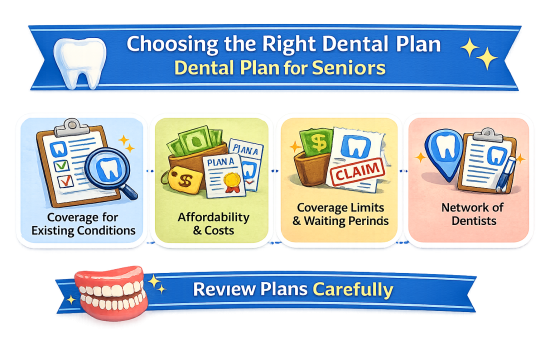
Choosing the Right Dental Insurance Plan
Selecting the right dental insurance plan can feel overwhelming, but knowing the key aspects can simplify the process. Dental insurance plans are designed to cover preventive and essential dental services. Understanding the differences between insurance companies, from network options to program specifics, plays a crucial role in deciding what suits your needs. Factors such as provider networks and premiums are essential in making an informed choice, ensuring your dental health and financial expectations are met. Let’s explore what you need to consider to make the best decision for your needs.
Factors to Consider When You Choose
When choosing a dental insurance plan, it’s important to start by assessing your specific needs. Consider what kind of dental services you regularly require. Preventive services, like cleanings and exams, might be covered 100% by most plans, but other services could vary. Look at how each insurance company structures their plans. For example, with dental PPO plans, like those from Delta or Humana, you’ll usually have a network of providers to choose from, often at a lower cost. This flexibility allows you to see dentists outside of your network if necessary, though possibly at higher out-of-pocket costs.
Another critical factor is the premium cost – the regular fee you pay to maintain your policy. Some plans might offer low premiums but come with higher deductibles or co-pays for services. It’s essential to balance the cost with the benefits provided by the plan. Knowing your budget and comparing it against potential expenses can help you choose a plan that won’t strain your finances. Insurance companies, like Delta or Humana, often provide a range of options suitable for varying income levels. Review each option carefully to see where you might save or incur extra costs.
Evaluating the provider network is equally important. Confirm that your preferred dental providers are within the insurance plan’s network to avoid surprise expenses. If provider choice is a priority, a PPO might be more ideal than an HMO. While HMOs are usually less costly, they require selecting a primary dentist and obtaining referrals for specialists, which could limit flexibility. Consider also the annual maximum limit – the cap on what your insurance will cover each year. Be aware of waiting periods for specific services if you need immediate major dental work. Knowing these details empowers you to pick a dental insurance plan that aligns with both your dental health needs and your financial situation. Concluding, to make the best choice, weigh all these factors to ensure comprehensive coverage that suits your lifestyle.
Finding the Best Fit in Pennsylvania
Choosing the right dental insurance plan in Pennsylvania requires a thorough understanding of what’s available and how different plans cater to diverse needs. With numerous options from reputable companies like Cigna Dental, Delta Dental, and Humana, it can be challenging to find a plan that fits both healthcare requirements and budget limitations. Assessing the variety of Pennsylvania dental plans involves evaluating network availability, coverage options, and potential costs. This section will guide you through the steps necessary to effectively find and choose a dental insurance plan that aligns with your personal healthcare expectations and financial considerations.
Steps to Find a Plan that Matches Your Needs
Finding and choosing the ideal dental insurance plan starts with evaluating your unique dental care requirements. Begin by assessing the types of dental services you often need, this might include regular cleanings, examinations, or more complex procedures like fillings or crowns. Understanding this will aid in narrowing down your choice among the Pennsylvania dental plans. Often, your healthcare needs will dictate whether a basic or comprehensive plan is more suitable. For instance, if frequent dental visits are necessary, opting for a plan with robust preventive service coverage might be wise.
In Pennsylvania, several insurance companies offer various plans, so it’s important to research and compare these options. Networks play a crucial role here; they not only determine the flexibility you have in choosing your dentists but also influence the out-of-pocket costs. Insurance providers like Delta or Cigna Dental offer extensive networks, but it’s essential to verify that your preferred providers are included to optimize your coverage benefits. Should you prioritize flexibility, dental PPO plans generally offer a wider network and a more extensive selection of providers compared to other plan types, though they may come at a slightly higher premium.
Consider the financial elements as well: premiums, deductibles, and co-pays are important factors. Balancing these costs against the coverage benefits is vital. High premiums don’t always equate to better coverage if the rate of deductible or co-pays is substantial. Align your budget with the potential expenditure using online resources or consulting with insurance advisors can help ensure you’re making a sound decision. Furthermore, for comprehensive services or specialist care, understanding the network’s limitations and plan restrictions can save from unexpected expenses. Finally, always check for waiting periods and yearly maximums to ensure that your chosen plan can accommodate both immediate and long-term dental needs. This thorough examination and comparison can provide reassurance in selecting the right plan, tailored to maximize dental care while meeting financial expectations.
Understanding your dental insurance options in Pennsylvania is essential to finding a plan that fits your needs. Whether you’re looking for coverage for regular check-ups or specific treatments, options vary by provider and location. Enter your ZIP code on our website to learn about the different plans available in your area. Exploring these options can help you manage dental care costs effectively. Remember, coverage and costs can differ, so it’s important to review each plan carefully to ensure it matches your needs. Take a step toward improving your dental health by checking your local options today.
Compare plans and enroll online
Frequently Asked Questions
What types of dental insurance plans are available in Pennsylvania?
In Pennsylvania, you can find a variety of dental insurance plans, including PPO (Preferred Provider Organization) and HMO (Health Maintenance Organization) plans. PPO plans often offer more flexibility by allowing you to choose from a wider network of dentists. These plans may result in lower out-of-pocket costs if you use in-network providers. HMO plans typically require selecting a primary dentist and may have a lower premium but come with more restrictions on provider choices.
How do I find dental insurance plans in my area?
To find dental insurance plans in your area, you can enter your ZIP code on our website, Dentalinsuranceforsenior.org. This tool helps you see plan options specific to your location, which is important since availability, costs, and network providers can vary geographically.
What should I consider when choosing a dental insurance plan?
When selecting a dental insurance plan, consider factors such as premiums, deductibles, network of dentists, and annual maximum limits. Assess your regular dental care needs, preferred dentists, and financial situation to find a plan that offers the best balance of cost and coverage for you.
What is an annual maximum limit in dental insurance?
An annual maximum limit is the total amount your dental insurance plan will pay for covered services within a year. After reaching this limit, any additional dental costs would be your responsibility until the new plan year starts.
Are there waiting periods for dental procedures with insurance plans?
Yes, many dental insurance plans have waiting periods, especially for major procedures. This means there is a set duration before coverage for certain services begins. Always review the plan details to understand how these periods might affect your coverage.
Find & Compare Plans Online
ZRN Health & Financial Services, LLC, a Texas limited liability company

Russell Noga is a Dental Insurance Educator who writes informational content focused on helping consumers understand dental insurance coverage, benefits, and common plan features. His work emphasizes clear explanations of preventive care, basic and major services, waiting periods, provider networks, and plan limitations. Content is reviewed periodically to ensure clarity and accuracy and is based on publicly available sources. Information may change over time as plan details, availability, and coverage options are updated.