Finding affordable dental insurance, like Delta dental insurance, can be a challenge for low-income seniors. Through the Health Insurance Marketplace, seniors have access to various plans that help manage the costs of dental care. Understanding what these plans cover is essential for maintaining good oral health without breaking the bank. By exploring available options, seniors can ensure they have the necessary coverage for routine check-ups, preventive care, and more complex procedures, all while staying within their budget. Learn how to navigate the Marketplace and secure the dental coverage that fits your health needs.


Dental Insurance for Seniors
find affordable dental insurance





Dental Insurance for Low Income Seniors
Key Highlights
- Dental insurance helps seniors manage costs for routine and complex dental procedures.
- The Health Insurance Marketplace offers plans that bundle dental and health coverage for easier management.
- Preventive care, including cleanings and exams, is typically covered by dental insurance.
- Supplemental insurance covers expensive procedures like dentures and implants, reducing out-of-pocket costs.
- Dental discount plans offer immediate savings without the need for traditional insurance coverage.
Compare plans and enroll online
Understanding Dental Insurance Options for Low Income Seniors
Finding affordable dental insurance can be a daunting task, especially for low-income seniors. Dental coverage is crucial, yet many are unaware of the various options available. Seniors often skip dental visits due to high costs, but there are multiple dental insurance options that seniors can choose from. These range from traditional plans to those offered through the health insurance marketplace. Understanding these choices can help seniors secure their dental health without straining their finances. This section explores why dental insurance is vital and how marketplace dental plans differ from other options.
Why Is It Important to Have Dental Insurance?
Many seniors underestimate the importance of having dental insurance, often due to the perceived cost versus benefit. However, neglecting dental health can lead to serious health issues. Dental benefits provide more than just peace of mind; they also ensure access to necessary dental services and treatments. Dental insurance helps spread out the cost of preventive services, such as cleanings and checkups, making these essential services affordable.
Regular visits to the dentist can prevent more severe problems like gum disease or tooth loss. Without insurance, the risk of high out-of-pocket costs often deters seniors from seeking care until it’s an emergency.
Another significant advantage of dental insurance is the coverage it offers for more extensive procedures, like dentures and crowns. Although these can be costly, having a dental plan ensures that these fears do not turn into an immediate financial burden. Insurance often covers a significant portion of these expenses, which can make a big difference for those on a fixed income. There are also plans with dental discounts that cater specifically to seniors, reducing the overall costs even further.
Moreover, having a dental plan gives seniors access to a network of dentists. This network can help them find the right dentist who meets their needs and budget. By choosing a plan that offers individual and family coverage options, seniors can extend these benefits to their family members if necessary. Ultimately, dental insurance is a key component of senior health care that ensures they receive the care they need when they need it without hesitation or financial strain.
Differentiating Between Marketplace Dental Plans and Others
The health insurance marketplace offers a unique avenue for seniors seeking dental insurance. Marketplace dental plans are available for individuals and families, allowing flexibility based on personal needs. Unlike standalone insurance dental plans, marketplace options often come bundled with health insurance, providing comprehensive coverage under one roof. This integration can simplify managing health needs and reduce the hassle of coordinating between different providers.
Marketplace dental plans typically include benefits such as preventive care, covering services like cleanings, exams, and sometimes even x-rays. By offering these services with minimal waiting periods and lower out-of-pocket costs, these plans ensure that seniors can maintain regular oral health checkups. Additionally, many marketplace plans provide coverage for basic procedures, such as fillings, and major services like crowns, making them attractive to those concerned with both routine and emergency care.
Comparing marketplace dental plans with other options involves looking at factors like cost, coverage limits, and the network of participating dentists. Marketplace plans often present information in a straightforward manner, allowing members to make informed choices based on their budget and health requirements. Seniors can get answers to common concerns, such as whether a particular dentist is included in the plan’s network or what the specific waiting period for major services is.
One of the key differences is the inclusion of PPO options in marketplace dental plans. These allow seniors the flexibility to choose any dentist, reducing the limitations typically imposed by HMOs. By offering this flexibility, marketplace plans make it easier for seniors to access the care they need without feeling restricted. Ultimately, understanding these differences helps seniors navigate their options and choose the best dental plan suited to their needs.
Key Dental Services Covered by Insurance
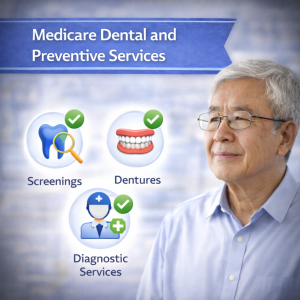
As seniors explore options in dental insurance, understanding coverage specifics is crucial. Dental insurance often covers essential services that cater to both routine and unexpected needs. From preventive care and routine checkups to more complex procedures like crowns and fillings, insurance plans aim to ensure seniors get the necessary dental treatments without financial strain. Grasping what these plans encompass can empower seniors to make informed decisions about their dental health. Let’s delve into what you can expect your dental coverage to include, focusing on preventive and restorative services.
Preventive Care and Routine Checkups
Preventive care and routine checkups are the cornerstone of dental health, and dental insurance covers these fundamental services to ensure seniors maintain their oral well-being. Most plans typically include two annual visits to the dentist, encompassing cleanings, exams, and sometimes x-rays. These appointments do far more than just clean teeth; they allow early detection of potential problems, potentially saving on future costs.
Seniors benefit significantly from this coverage as it emphasizes maintaining healthy gums and teeth, which is vital for overall health. Regular dental visits can prevent major issues, like gum disease or infections, that become more common with age.
Many plans under the health insurance marketplace offer these preventive services with little to no copayments or deductibles, encouraging seniors to use their benefits without hesitation. Ensuring routine dental visits are affordable removes financial barriers that might otherwise deter seniors from regular care. Even those plans with nominal fees provide peace of mind by minimizing the risk of substantial out-of-pocket expenses for preventable dental issues. Additionally, preventive care often includes fluoride treatments or sealants, particularly beneficial for seniors prone to root decay due to gum recession.
Seniors should be aware that while preventive services are usually covered comprehensively, they often must ensure their chosen dentist is within the plan’s network. This network connection often aligns with substantial discounts, further relieving financial burdens. By taking advantage of preventive care, seniors not only protect their oral health but also contribute to their overall medical condition, as poor dental health can exacerbate chronic illnesses like diabetes or heart disease. Therefore, understanding and utilizing preventive care and routine checkups through their dental insurance is essential for maintaining their health and confidence as they age.
Coverage for Major Dental Procedures
- Dental insurance for seniors often includes substantial support for major dental procedures such as root canals and crowns, which can be costly. This coverage alleviates the financial burden, allowing seniors to receive necessary treatments without undue stress on their budgets.
Access to Specialized Dentists
- Having access to a network of specialized dentists is crucial for seniors who may require specific dental treatments. Dental insurance plans often provide lists of in-network specialists, ensuring seniors receive high-quality care from professionals skilled in treating age-related dental issues.
Discounts on Orthodontic Work
- While often associated with younger patients, orthodontic work can be beneficial for seniors as well. Dental insurance can offer discounts on braces or corrective aligners, presenting more affordable options for those who wish to improve their dental alignment and overall oral health.
Emergency Dental Care Protection
- Dental emergencies can occur unexpectedly, causing both physical discomfort and financial strain. Insurance plans that cover emergency dental care provide peace of mind, ensuring that seniors receive prompt treatment without worrying about the cost.
Options for Spouse or Partner Coverage
- Many dental insurance plans offer options to extend coverage to a spouse or partner. This dual coverage maximizes dental health benefits for the household and secures comprehensive care for the couple, promoting overall oral health as a family unit.
Financial Ease with Flexible Payments
- Flexible payment plans offered by dental insurance providers can significantly ease financial concerns for seniors. Scheduled payments allow retirees to manage their dental expenses better, aligning with fixed incomes and ensuring access to necessary care without delays.
Educational Resources
- Some dental insurance plans provide valuable educational resources aimed at maintaining oral health. These resources can include guides, workshops, and online tools that help seniors stay informed about best practices and preventive measures, empowering them to take an active role in their dental care.
These additional benefits underline how dental insurance goes beyond routine care to offer comprehensive advantages for seniors.
Find & Compare Plans Online
Understanding Coverage for Crowns and Fillings
When it comes to understanding coverage for crowns and fillings, dental insurance plays a pivotal role in making these necessary repairs affordable for seniors. Crowns and fillings address more than just cosmetic concerns; they are essential for restoring function and preventing further damage. A filling might be required for cavities that could otherwise lead to severe decay or infection if left untreated. Generally, dental insurance plans categorize fillings as basic services and typically cover a percentage of the cost, often around 70-80%, depending on the plan.
Crowns, on the other hand, fall under major services due to their complexity and cost. They are necessary when teeth are significantly decayed, cracked, or weakened. Since crowns involve a more intensive process, including long-lasting materials, coverage is usually less than for basic services, often ranging from 50-60%. Seniors need to understand that specific coverage details can vary widely among different plans and insurers. Thus, examining each plan’s fine print and discussing options with an insurer is crucial before proceeding with these treatments.
Beyond the coverage, dental insurance often provides a network of dentists who can perform these procedures at reduced rates. This network ensures quality care without the prohibitive costs often associated with restorative services. Seniors should also consider that some plans may have waiting periods for major services like crowns, which could delay immediate treatment needs unless planned for beforehand. Dental coverage for these services ensures that seniors don’t have to pay full price out of pocket, maintaining their health and financial stability.
By understanding how dental insurance covers crowns and fillings, seniors can approach their dental health proactively, knowing they have financial support for maintaining functionality and appearance. This comprehension is vital, offering a reassuring pathway to manage dental health complexities while promoting a proactive approach to necessary dental repairs, ensuring seniors receive timely and adequate dental care.
Exploring Supplemental Dental Insurance
Supplemental dental insurance can be a crucial addition for seniors looking to expand their coverage options. While Medicare and standard dental insurance plans offer basic preventive and restorative services, they often fall short in covering more costly procedures. This section highlights how supplemental dental insurance can fill those gaps, especially for dentures and implants, and explores the benefits of dental discount plans. These options help seniors tailor their coverage to better meet their personal dental health needs, ensuring that they can access the comprehensive care required without financial strain.
Adding Coverage for Dentures and Implants
Dentures and dental implants are vital services for many seniors seeking to restore their oral health and functionality. Unfortunately, standard dental insurance plans often provide limited or no coverage for these expensive procedures. This is where supplemental dental plans come into play, offering additional coverage that can significantly reduce out-of-pocket expenses.
Supplemental plans typically function as add-ons to existing insurance, helping to cover costs specifically associated with dentures and implants. For seniors on Medicare or other basic dental plans, considering a supplemental option can make these restorative procedures more financially feasible.
Many supplemental plans target gaps left by traditional insurance by covering a substantial portion of the costs for dentures and implants. Though these plans require an additional premium, the investment could lead to considerable savings when compared to the out-of-pocket costs of these procedures. Dentures, for example, often range in cost depending on type and quality, but supplemental insurance can alleviate this burden substantially. Dental implants, being more complex and costly, benefit significantly from supplemental coverage, which can cover parts of the surgical procedure and the implant device itself.
Moreover, supplemental dental insurance often comes with added benefits such as reduced fees for subsequent adjustments or replacements, which can be common with dentures, as they may need refitting over time. This preventive measure helps seniors maintain well-fitting dentures that contribute to comfort and oral health.
Additionally, selecting a supplemental plan expands the network of qualified dental professionals available, enabling access to experienced dentists and specialists specializing in restorative dental procedures. Overall, supplemental dental insurance offers a financial safety net that empowers seniors to choose the best restorative options without undue financial pressure, reinforcing the importance of proactive dental planning.
| Coverage Option | Key Benefits | Cost Consideration | Ideal For |
|---|---|---|---|
| Traditional Dental Insurance | Covers routine exams, cleanings, and basic procedures. | Monthly premiums with potential deductibles and co-pays. | Seniors who require regular check-ups and basic dental care. |
| Dental Discount Plans | Offers discounts on a broad range of dental services. | Low annual fee, no deductibles, and no waiting periods. | Seniors are looking for immediate savings on a wide array of services. |
| Indemnity Dental Plans | Flexibility in choosing any dentist and covers a portion of dental visits. | Higher out-of-pocket costs, typically with a coverage limit. | Seniors who prefer freedom in choosing their dental care provider. |
| Medicare Advantage Plans | May include dental coverage as part of a bundled plan. | Varies by plan, often includes additional premiums. | Seniors already enrolled in Medicare are looking for additional dental benefits. |
This table offers a concise overview of supplemental dental insurance options available to seniors, outlining their specific benefits and financial considerations. It serves as a valuable resource in understanding how these plans can effectively support seniors in managing their dental health costs while ensuring they receive the appropriate care.
How Dental Discount Plans Can Help
Dental discount plans offer a unique alternative to traditional insurance by providing reduced fees on dental services outright. Especially beneficial for seniors who face limitations with their existing dental insurance policies, these plans can supplement coverage in a cost-effective manner. A dental discount plan works differently than typical insurance; instead of paying premiums for anticipated coverage, members access significant discounts for a wide range of dental procedures by paying an annual fee.
This model appeals to seniors because it promises immediate savings on services like routine cleanings, exams, and more extensive treatments such as crowns, fillings, dentures, and implants.
Unlike conventional insurance, dental discount plans do not typically have waiting periods, ensuring seniors can access discounted services immediately after enrolling. This is particularly advantageous for unexpected dental needs, where timing is critical, such as fixing a crown or getting an implant. Another benefit is that these plans are not bound by coverage limits, an attractive feature for seniors who might otherwise face out-of-pocket expenses after surpassing annual insurance maximums.
By offering flexible access to a variety of dental services at reduced rates, dental discount plans help seniors maintain their dental health without worrying about prohibitive costs.
Choosing a dental discount plan requires careful consideration, as not all plans cover the same services or offer the same discount rates. It’s essential for seniors to evaluate plans based on their specific dental care needs and preferred dentists, as each plan has its own network of participating dental care providers. While these plans do not replace the comprehensive support of supplemental dental insurance, they serve as a practical option for minimizing dental expenses, especially for those who do not require extensive coverage but still wish to save on routine and major dental care.
Through dental discount plans, seniors can manage unexpected dental expenses intelligently, enjoying flexibility and control over the cost of their dental care. By taking advantage of these plans, they ensure continuity in dental services without letting costs dictate or delay necessary treatments. In summary, dental discount plans are a strategic choice for seniors looking to expand their dental care budget without the constraints of traditional insurance, serving as an excellent companion to existing dental coverage.
Comparing Costs and Coverage After You Retire
Understanding the nuances of dental insurance is crucial for retirees who wish to manage costs effectively without compromising on coverage. Transitioning from employer-provided insurance to a personal dental plan can be daunting, yet it’s necessary for continued oral health. In this discussion, we’ll dive into the vital factors that influence your decision when choosing a dental insurance plan after retirement, helping you navigate costs, coverage, and find the best fit for your needs.
Factors to Consider When You Choose a Plan
When embarking on the journey to select dental insurance after retirement, several critical factors deserve attention to ensure the plan aligns with your needs. First is understanding the cost implications. With fixed retirement incomes, seniors need to evaluate both the monthly premiums and any potential out-of-pocket expenses that arise with different plans.
Dental insurance costs can vary significantly based on your location, the type of plan (such as PPOs versus HMOs), and the specific benefits included. It’s important to balance affordability with the extent of coverage required, ensuring the plan you choose doesn’t strain your budget while providing essential dental benefits.
Another significant factor is the scope of coverage. Retirees should examine what services are covered under different dental plans. Preventive services like cleanings and exams are typically included, but it’s crucial to explore coverage for more significant procedures such as crowns, dentures, and implants. Plans may vary in generosity, with some covering a substantial portion of the cost for these procedures, while others may require higher out-of-pocket payments. Understanding the coverage limits and services included is essential to avoid unexpected expenses later, especially when it comes to costly dental work.
The health insurance marketplace offers a diverse array of plans, each with its unique network of dental providers. As a retiree, ensuring your preferred dentists are included in your insurance dental network is vital. Check if your current dentist participates in the plan you’re considering or if you’ll need to switch to another provider. This consideration not only impacts cost but also the level of care you receive. Access to a network expands your choices and minimizes expenses, reinforcing the importance of this factor when choosing dental insurance.
Retirees should also consider waiting periods that might be attached to certain dental benefits. Some plans may require a waiting period for major services after enrollment. This delay could affect the immediacy of care required for urgent treatments. For those who anticipate needing significant dental work, exploring plans with no or minimal waiting periods can turn into a significant advantage. Additionally, compare the flexibility offered by PPO plans over HMOs. PPO plans may allow more freedom in choosing any dentist, though often at a slightly higher cost.
Lastly, retirees should explore the option of supplementary dental insurance through the health insurance marketplace, as it offers gap-filling solutions for coverage not provided by standard plans. Supplemental plans can help cover costs like those for dentures and implants, which are not always fully covered by Medicare. This ensures more comprehensive protection and can prevent unexpected dental bills from impacting financial stability during retirement.
Avoiding costs is a concern older adults face, so understanding supplemental plans and dental discount options can be beneficial. Overall, comparing these key factors ensures you’re equipped with the knowledge to choose a plan that secures your dental and financial health in retirement.
Understanding dental insurance options through the Health Insurance Marketplace can significantly support low-income seniors in maintaining oral health. By exploring various plans, seniors can discover coverage that addresses essential dental needs, such as preventive services and treatments. Remember, these plans vary by location and provider, so entering your ZIP code can help pinpoint the most relevant options. By taking this step, you can confidently secure dental insurance that aligns with your personal needs and budget. Visit our website to begin your search and find valuable coverage for your dental health today.
Compare plans and enroll online
Frequently Asked Questions
What types of dental plans are available through the Health Insurance Marketplace for seniors?
The Health Insurance Marketplace provides plans that bundle dental and health coverage, offering preventive care such as cleanings and exams, and sometimes more comprehensive care like crowns and dentures. It allows seniors to manage both health and dental needs under one plan.
Why is dental insurance important for seniors?
Dental insurance helps spread out costs for regular services such as cleanings and checkups, making them more affordable. It also helps cover expensive procedures like dentures and fillings, reducing the financial burden and encouraging preventive care.
What is the benefit of having dental insurance for preventive care?
Preventive care, often included in dental plans, covers services like cleanings and exams, helping detect potential issues early. Regular checkups can prevent more severe dental problems, benefiting seniors by maintaining oral health and reducing future costs.
What are dental discount plans, and how do they work?
Dental discount plans offer reduced fees on dental services in exchange for an annual fee, enabling immediate savings. These plans differ from traditional insurance as they don’t cover services but offer discounts on cleanings, exams, crowns, and more.
How can supplemental dental insurance benefit seniors?
Supplemental dental insurance can fill gaps in coverage for costly procedures like dentures and implants. It acts as an add-on to existing insurance, providing additional financial relief for dental work not fully covered by standard plans.
Find & Compare Plans Online
ZRN Health & Financial Services, LLC, a Texas limited liability company

Russell Noga is a Dental Insurance Educator who writes informational content focused on helping consumers understand dental insurance coverage, benefits, and common plan features. His work emphasizes clear explanations of preventive care, basic and major services, waiting periods, provider networks, and plan limitations. Content is reviewed periodically to ensure clarity and accuracy and is based on publicly available sources. Information may change over time as plan details, availability, and coverage options are updated.