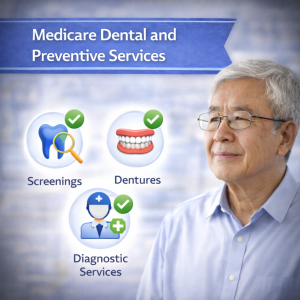
Best Dental Insurance Plans Texas 2027

Are you seeking affordable dental care plan options for seniors in Texas 2027? Understanding dental insurance and discount plans is essential for maintaining your oral health without breaking the bank. Our guide provides straightforward, educational insights into what different plans offer, including preventive services, fillings, and more.

With varied plans available, it’s crucial to find one that suits your needs, whether you’re looking for routine check-ups or major dental work. Learn how to navigate and compare options, ensuring you can keep your smile bright and healthy while fitting your budget. Begin exploring your path to affordable dental care today.

Key Highlights

  • Texas offers numerous dental plans focusing on affordability and coverage variety.
  • Dental insurance aids in covering preventive and advanced care like crowns and implants.
  • Plans vary between DHMOs, PPOs, and discount options, impacting cost and dentist access.
  • Exploring regional plans helps find coverage aligning with individual needs and budgets.
  • Seniors must balance premiums, deductibles, and scope of coverage in selecting plans.

Compare Dental Plans

Understanding Dental Insurance in Texas

Choosing the right dental insurance in Texas can be daunting, especially for seniors aiming to safeguard their oral health. Understanding the basics of dental insurance, its relevance, and the impact it has on oral health is crucial. In the subsequent sections, we’ll uncover what dental insurance entails and why it’s particularly important for seniors.

This knowledge serves as a stepping stone toward making informed decisions that balance dental benefits with personal needs and financial realities.

What is Dental Insurance?

Dental insurance is a protective measure that helps cover the costs associated with maintaining oral health. Typically, these insurance plans offer various levels of dental coverage, ranging from preventive services like cleanings and exams to more complex procedures such as fillings, crowns, and oral surgery. Understanding the terms and conditions of individual dental plans, as well as what companies offer them such as BCBS, is crucial. Plans differ significantly in terms of coverage, network restrictions, and cost-sharing aspects like premiums, deductibles, and copayments.

For instance, some insurance plans may not cover aesthetic procedures, requiring a closer look at what benefits are included. Providers like Delta Dental often have extensive networks that offer flexibility and choice to policyholders.

Insurance plans usually fall into major categories: DHMO (Dental Health Maintenance Organization) and PPO (Preferred Provider Organization). DHMOs typically require members to use dentists within their network and offer lower premiums and out-of-pocket costs. Conversely, PPO plans provide flexibility to see both in-network and out-of-network dentists, often at higher costs.

The choice between these insurance plans should be aligned with personal oral health needs and financial capacity. Additionally, there are indemnity plans, which allow choosing any dentist and are often suited for those with higher dental needs. Aggregated benefits transfer to overall better oral health at reduced costs over time, which is particularly beneficial for dental health among seniors aiming to prevent ailments requiring extensive treatments.

Understanding these dynamics enables seniors to weigh options strategically, ensuring their chosen dental insurance plan not only fits their budget but also caters effectively to their oral health needs. Moreover, while exploring dental plans, it’s advisable to consider both short-term needs and long-term oral health plans, preparing for emergencies or unforeseen dental issues.

In Texas, demographics exhibit varying dental needs, making personalized insurance reviews essential for informed decisions. This holistic approach mitigates future financial burdens of dental care, underscoring the importance of comprehensive insurance literacy.

When considering dental insurance, aligning choices with individual needs ensures optimal oral health maintenance.

  • Evaluate the types of dental services you’ll likely need, including routine and specialized care.
  • Compare network sizes and the flexibility to choose in-network versus out-of-network providers.
  • Analyze cost-sharing aspects like deductibles, premiums, and copayments for affordability.
  • Investigate additional benefits such as coverage for orthodontics or cosmetic procedures.
  • Check if there are any waiting periods for certain treatments and how they align with your needs.
  • Assess the geographic coverage area, especially if you travel frequently or live between different regions.
  • Review any age-specific provisions or benefits, particularly those beneficial to seniors.

Understanding Dental Insurance in Texas

Why It's Important for Seniors

Seniors, in particular, need to emphasize dental health as it intricately links with overall health and well-being. As people age, dental issues can become more frequent and complex, yet many seniors do not have dental insurance as part of their primary health insurance coverage. This gap makes dedicated dental insurance critical.

Proper dental coverage ensures timely access to necessary dental services without undue financial strain. Benefits cover preventive services which help manage oral health proactively. Routine check-ups and cleanings catch potential problems early, dramatically reducing the need for costly procedures later.

This care is foundational in avoiding severe health complications like infections that can exacerbate chronic conditions such as diabetes and heart disease.

Financially speaking, seniors often live on fixed incomes, making the cost-effectiveness of insurance plans a significant factor. Dental insurance can offer considerable savings on procedures and preventive services, balancing monthly premiums with the potential cost of unexpected dental issues. Besides the relief from major expenses, having insurance can also alleviate stress, knowing there’s a safety net for their dental needs.

Providers like Delta Dental play a pivotal role by facilitating access to varied practitioners under manageable financial terms, ensuring continuity in care.

Moreover, the nature of dental insurance, with its focus on preventive care, serves not just financial interests but health interests as well. Regular dental visits covered by insurance plans contribute to preserving teeth and preventing decay or gum disease, which are more prevalent with age. In Texas, given the diversity in availability and the specifics of dental coverage, it is crucial for seniors to select plans that aptly match their needs and location.

By selecting the right plan, seniors can maintain their oral health cost-effectively, enhancing their quality of life, comfort, and health longevity. This underscores the relevance and imperative for seniors to integrate dental insurance strategically into their health planning, securing peace of mind in their golden years.

Common Services Covered by Dental Insurance

Dental insurance covers numerous services, offering protection to maintain your oral health without substantial financial burden. A primary aspect covered under most dental plans includes preventive care and routine check-ups, essential for maintaining oral health. Advanced treatments like crowns, dentures, and implants are also often partially covered, ensuring comprehensive support.

Understanding what dental insurance includes helps you balance cost with care, avoiding unexpected expenses. Exploring each service provides insights into how insurance benefits translate into practical dental health management, significantly aiding both routine maintenance and advanced care requirements.

Preventive Care and Routine Check-Ups

Preventive care is a cornerstone of dental insurance, offering significant benefits that help maintain oral health and prevent more severe issues. Dental plans often cover routine check-ups and cleanings, crucial in identifying any potential problems early. These services typically include professional teeth cleanings, fluoride treatments, and routine x-rays.

By catching problems early, you can avoid the need for more extensive and costly treatments later on. Many dental insurance policies emphasize preventive services because they’re not only cost-effective but also contribute to better long-term oral health outcomes.

When considering dental plans, it’s essential to understand how preventive services are incorporated into your coverage. Such services are usually covered at 100%, meaning you can access these necessary procedures without worrying about additional out-of-pocket expenses. This arrangement is particularly beneficial for seniors who might face fixed income constraints but need consistent dental care to maintain their oral health.

Regular dental visits, supported by insurance plans, contribute significantly to preserving your oral health, preventing decay or gum disease, which become more prevalent with age.

A key aspect of preventive care is the ongoing monitoring of oral health. Routine check-ups offer your dentist the chance to screen for early signs of tooth decay, gum disease, and even oral cancers. This proactive approach can have long-term advantages, reducing the possibility of serious health problems.

It’s crucial to pick a dental plan that emphasizes these preventive services, as they play a pivotal role in managing overall health and well-being. Providers like Delta Dental and Deltacare USA often include varied options to ensure that routine preventative measures remain accessible and affordable.

Moreover, preventive dental care doesn’t just focus on immediate oral health. These visits are opportunities to receive guidance from dental professionals on best practices for daily oral hygiene. Implementing advice from these visits into daily routines can enhance the effectiveness of preventive measures, safeguarding oral health in the years to come.

By understanding and utilizing preventive services covered by your dental insurance, you’re effectively investing in your long-term dental health, ensuring a healthy smile well into the future.

Advanced Treatments: Crowns, Dentures, and Implants

While preventive care forms the foundation of dental health maintenance, advanced treatments like crowns, dentures, and implants address more substantial dental issues that might arise over time. Dental insurance often provides partial coverage for these advanced treatments, though the extent can vary significantly based on the specific dental plan and provider. Typically, advanced procedures may require some out-of-pocket expenses; however, having insurance can make these vital treatments more accessible and manageable financially.

Crowns are a common restorative procedure covered in part by many dental plans. They are essential when a filling isn’t sufficient to restore a tooth subjected to significant decay or damage. Dental plans often category crowns as major services, which usually means partial coverage ranging from 50 to 80%, after meeting a deductible.

Understanding this coverage helps in planning financially for any significant dental repairs that might arise. Insurance coverage for crowns can substantially lower the out-of-pocket costs, making it reasonable to maintain the structural integrity of your teeth.

Dentures are another advanced treatment variably covered by dental insurance. Whether you need a partial or full set, insurance might cover a portion of the costs, thus easing the financial load. For seniors, in particular, having coverage for dentures is crucial because tooth loss can significantly affect both health and quality of life.

Dental plans that cover dentures cater to this need by offering affordable options to restore the functionality and appearance of your smile.

Implants are often considered the most advanced option for tooth replacement today. While typically more expensive than other methods, dental insurance can sometimes cover implants under certain plans and conditions. Implant procedures can be life-changing, offering a more permanent solution compared to dentures.

The extent of coverage for dental implants will depend on the specific terms of your dental plan. It’s crucial for policyholders to consult their plans to understand how these costs will be managed and to preemptively plan financially.

Therefore, while undergoing any of these advanced treatments, it’s critical to discuss all insurance options with a provider like Delta Dental or Deltacare USA to comprehend the specifics of coverage. Knowing the financial implications ensures you make informed decisions about your oral health without unnecessary stress. These aspects of coverage underline why understanding the depth of your dental plan is as vital as selecting a plan itself.

Find & Compare Plans Online

Speak with a licensed insurance agent

1-855-425-2095TTY 711

Mon-Fri: 8am-9pm ET

Comparing Dental Insurance Plans in Texas

Evaluating dental insurance plans in Texas involves understanding key differences, coverage options, costs, and available services. This helps Texas residents, especially seniors, make informed decisions based on their unique dental care needs and budget. Each plan comes with its nuances, affecting how low costs and dental benefits manifest.

Exploring various insurance plans like Cigna Dental Choice and discount dental plans is crucial when considering plan types such as DHMO and PPO, group coverage, or individual options. By comprehending these distinctions and the specific offerings within Texas, individuals can select a dental plan that best suits their requirements.

Key Differences Among Plans

When it comes to dental insurance plans in Texas, there are several key distinctions that consumers, particularly seniors, should focus on. Understanding these differences is essential to choose a plan that aligns with individual needs and financial situations.

Primarily, insurance plans in Texas, like many other states, are categorized into types such as DHMOs (Dental Health Maintenance Organizations), PPOs (Preferred Provider Organizations), and indemnity plans. Each has its unique benefits and limitations that can dramatically impact coverage and out-of-pocket costs.

DHMOs generally require members to use network dentists, offering lower premiums and reduced out-of-pocket costs. However, their restrictions on dentist choice can be a downside for some. On the other hand, PPO plans provide greater flexibility, allowing policyholders to see both in-network and out-of-network dentists, though this typically comes with higher premiums and costs.

Cigna Dental Choice is one such plan often favored for its wide network of dentists, aligning with the needs of those wanting flexibility and choice in their dental care.

Indemnity plans offer the greatest freedom, letting policyholders visit any dentist, but they often come at a higher cost. While appealing to those with specific dental practitioners they wish to continue seeing, this option can significantly impact a senior’s budget given the potentially higher premiums. It’s critical to evaluate these plans against personal dental benefits required, including routine care and advanced treatments like crowns, dentures, or implants.

Another crucial aspect is the level of coverage provided. Preventive services like cleanings and exams are typically covered fully to encourage regular dental care, which is particularly beneficial for maintaining oral health among seniors. However, restorative procedures might only be partially covered, leading to additional out-of-pocket expenses.

Additionally, plans may vary with group options being offered through associations or employers, which might be beneficial for some seniors due to potential cost-sharing advantages.

Ultimately, understanding these differences can guide Texas residents to strategically select dental coverage that minimizes financial strain while maximizing dental care benefits. With varying plans available, it’s advised to thoroughly review policies, considering both short-term requirements and long-term dental health strategies.

Seniors in Texas should focus on plans that cater to preventive and restorative needs, thus ensuring comprehensive dental care is accessible and manageable.

Finding the Right Plans in Texas

Locating the right dental insurance plan in Texas involves a careful evaluation of one’s oral health needs and financial situation. Given the wide array of options available, this process requires thoughtful consideration, especially for seniors who must prioritize affordability without compromising on necessary dental care. Starting with an understanding of the landscape, Texas offers multiple standalone and embedded plan options tailored to different needs.

Many people choose plans based on cost, such as low monthly premiums and manageable out-of-pocket expenses. For those on a fixed income, discount dental plans can provide an attractive alternative to traditional insurance plans. These plans typically offer reduced rates on services from participating dentists, making dental care more accessible.

However, it’s essential to understand that discount plans are not insurance, and coverage levels, such as those involving complex procedures like tooth replacements, will vary.

For those considering more traditional insurance options, reviewing the network of dentists is crucial. Plans like those from Cigna Dental Choice offer extensive networks that might include your preferred dentists, saving money on in-network services. It’s beneficial to confirm whether your current dentist is part of the plan you’re considering or if switching dentists would be necessary for cost-saving benefits.

It’s also significant to assess how each plan handles advanced dental care, such as crowns, dentures, and implants. Given the potential costs associated with these treatments, selecting a plan that includes comprehensive coverage for both preventive and restorative services can be a wise decision. Seniors often benefit from plans that emphasize preventive care, as this can prevent the development of more severe issues that require expensive procedures.

Navigating the specifics of dental insurance in Texas, including varied provider options and plan structures, can appear complex, but attention to detail can reap substantial benefits. By comparing dental insurance plans carefully, factoring in elements like cost-effectiveness, network size, and coverage breadth, Texas residents can find a plan that optimally supports their oral health needs and financial goals. For those still uncertain, entering their ZIP code on platforms like Dentalinsuranceforsenior.org can provide tailored insights into available options in your area, such as in states like Florida or Texas, helping to ease the selection process.

The right insurance plan not only promotes proactive dental care but also alleviates financial worry, ensuring access to preventive and necessary treatment as required. Armed with the right plan, seniors can maintain strong dental health through the golden years, improving overall quality of life and peace of mind.

Costs and Affordable Options for Seniors

Understanding the costs and affordable options in Texas is key when seniors explore dental insurance plans. With a focus on premiums, out-of-pocket expenses, and discount dental plans, seniors can find solutions that fit their budget. Navigating these costs involves considering individual needs against the benefits provided by various insurance plans.

Exploring options, including discount plans, helps reduce dental care costs while maintaining access to necessary services. This ensures a balance between affordability and quality of care, enabling seniors to make informed choices about their dental health coverage.

Understanding Premiums and Out-of-Pocket Expenses

When evaluating dental insurance options in Texas, it’s crucial to understand the premiums and out-of-pocket expenses you might face. Premiums are the regular payments you make to maintain your insurance plan. They can vary widely depending on the plan you choose, as well as the coverage and the network of dentists included.

In Texas, the cost of premiums can be influenced by factors such as age, location, and the specific benefits included in the plan. It’s important to carefully consider what you’re able to afford on a monthly basis and how this impacts your budget alongside other expenses.

In addition to premiums, it’s vital to look at out-of-pocket expenses. These are costs that aren’t covered by your insurance plan and typically include deductibles, copayments, and coinsurance. A deductible is the amount you pay for dental services before your insurance kicks in.

Copayments and coinsurance refer to the portion of costs that you’re responsible for after meeting your deductible. Plans in Texas might vary in their structure, with some offering lower monthly premiums in exchange for higher out-of-pocket costs when services are used, and vice versa.

Seniors should also consider how different plans structure their cost-sharing arrangements. Some plans might fully cover preventive services, like routine cleanings, whereas others may require a copayment for these services.

Coverage for more complex procedures, such as crowns and implants, often varies, impacting what you’ll pay out of pocket. Understanding these nuances can guide decisions about which plan best suits your needs and financial situation.

Choosing a plan with a wide network of dentists can also impact costs. Staying within the network often means lower costs compared to seeing out-of-network providers. Before enrolling in a dental plan, confirming your preferred dentists are part of the network is advisable.

This can maximize savings and maintain continuity in care, crucial for managing oral health as you age. Evaluating both the premium and out-of-pocket costs will help ensure you select an affordable, yet comprehensive dental plan tailored to your needs in Texas.

Exploring Discount Dental Plans for Savings

Discount dental plans can offer significant savings, especially appealing to seniors seeking affordable dental care options in Texas. Unlike traditional insurance, discount plans aren’t designed to cover services but rather to reduce the cost when you visit a dentist within the plan’s network. These plans usually require a membership fee, often more affordable than regular premiums, and provide access to services at reduced rates.

One of the key benefits of discount dental plans is the simplicity and transparency they offer. There’s no intricate paperwork or claims process; you simply pay a discounted rate directly to the provider at the time of service. This structure can be particularly beneficial for seniors on a fixed income, offering predictability and ease in managing dental care costs.

Additionally, the lack of waiting periods means you can use your benefits immediately, a notable advantage for those needing prompt dental care.

Discount plans typically cover a wide variety of services, from routine cleanings to more advanced procedures like dentures and implants. The savings percentage varies by service and provider, so it’s important to review the plan’s details to understand potential savings. These plans can be used in conjunction with other types of dental insurance to fill gaps in coverage, further relieving financial burdens.

It’s crucial to ensure that selected dentists are within the discount plan’s network, as this is where the plan’s financial benefits come into play. Many providers in Texas participate in these networks, giving you a range of options to choose from. Typically, discount plans emphasize preventive services, aligning with the goal of promoting overall oral health while reducing potential for major procedures down the road.

In summary, discount dental plans offer an alternative route to affordable dental care, ideal for those looking to keep costs low without sacrificing access to necessary dental services. By understanding the nuances of these plans, seniors in Texas can make informed decisions that balance their financial and dental health needs effectively, ensuring a smiling and secure future. For a deeper insight into local plan options, considering entering your ZIP code on a trusted site like Dentalinsuranceforsenior.org can provide tailored information specific to your location and needs.

Costs and Affordable Options for Seniors

Navigating Enrollment and Coverage Details

Understanding the enrollment process and coverage details is crucial for selecting the right dental insurance plan in Texas. With various options and complexities, seniors and their caregivers need clear guidance to make informed decisions. In this section, we’ll explore how to choose and enroll in insurance plans, highlighting important considerations specific to Texas residents.

This knowledge is essential for navigating the insurance landscape, ensuring access to necessary dental care services while balancing costs and benefits effectively.

Steps to Choose and Enroll in Insurance Plans

Choosing the right insurance plan involves a thorough understanding of the available options and the steps to enroll effectively. First, identify your specific oral health needs and financial constraints. This enables you to narrow down insurance plans that offer suitable dental coverage. Typically, there are several plans such as DHMOs, PPOs, and indemnity plans.

DHMOs often provide lower premiums and a limited choice of network dentists, which can be cost-effective if your preferred dentist is within the network. PPOs, meanwhile, offer more flexibility in choosing dentists but come with higher costs compared to DHMOs. Indemnity plans allow for the greatest freedom in provider choice but generally carry the highest premiums.

Once you’ve determined the plan type that fits your needs, evaluate the network and coverage specifics. Consider plans like Delta Dental or Deltacare USA for their extensive networks that might include your preferred dental care providers. Ensure that the services you anticipate needing, like preventive care, routine X-rays, crowns, dentures, and implants, are covered.

Review each plan’s benefits carefully, noting any limitations or exclusions, to avoid unexpected out-of-pocket expenses later.

Enrollment involves selecting a plan during open enrollment periods or, in some cases, qualifying life events. It’s crucial to gather essential documents, such as proof of residence and medical history, to facilitate seamless enrollment. Many resources are available online, and visiting insurance websites or contacting representative services can provide additional support.

Using resources like Dentalinsuranceforseniors.org can further clarify coverage differences and assist in understanding plan specifics tailored to your location in Texas.

Moreover, understanding how insurance interacts with Medicare is essential, as most traditional Medicare plans don’t include dental coverage. Some Medicare Advantage plans may offer dental benefits, creating an opportunity for bundling coverage to maximize benefits while managing costs efficiently. Consulting with insurance experts or educators can provide valuable insights, ensuring you make informed decisions.

With a clear understanding of your needs and the options available, you can confidently enroll in an insurance plan that caters to your dental care requirements, maintaining both oral health and financial stability.


Plan TypesKey BenefitsConsiderationsEnrollment Tips
PPO PlansWide network of dentists, coverage for out-of-network servicesHigher premiums, potential out-of-pocket costsCompare network lists and costs
HMO PlansLower premiums, fixed copaymentsLimited to network providers onlyVerify local network availability
DHMO PlansNo deductibles, predictable costsPreselected dentists, less flexibilityExamine dentist options and locations
Indemnity PlansFreedom to choose any dentistHigher costs, may need upfront paymentsAssess cost balance versus flexibility

This table highlights essential aspects of selecting and enrolling in dental insurance plans for Texas residents, helping them make informed decisions while balancing dental care accessibility and cost effectively.

Important Considerations for Texas Residents

For Texas residents, selecting dental insurance involves specific considerations due to the state’s diverse health care landscape. One of the primary factors is the region’s wide variety of insurance plans and providers, which can affect the availability and cost of dental coverage. Texas has a vast network of dental care providers, but network limitations can influence which treatments and dentists are accessible under your chosen plan.

Therefore, it’s crucial to verify that your preferred providers are within the insurance plan’s network to minimize out-of-pocket expenses.

In Texas, cost considerations are paramount as insurance premiums and coverage can vary widely. Seniors, especially, should analyze how plans align with their budget, keeping in mind the balance between premiums and deductibles. For those relying on fixed incomes, affordable options like discount dental plans can complement traditional insurance types by reducing service costs through negotiated rates with providers.

Even though these aren’t insurance plans per se, they offer significant savings potential, particularly for preventive services that promote long-term oral health.

Furthermore, Texas residents must consider the impact of geographic location on service costs and availability. Dental insurance plans often have location-based variables, affecting which treatments are covered and at what cost.

Resources like Dentalinsuranceforseniors.org can help Texas residents compare plans effectively by offering location-specific information beyond merely highlighting the cost factors. Awareness of regional differences is vital when evaluating potential dental benefits.

State-specific programs and subsidies can also influence decision-making for low-income individuals or those eligible for Medicare. Texas lacks certain state-sponsored dental benefits; however, individual policies linked with federal programs like Medicare Advantage may include supplemental dental care coverage. Understanding how these options can integrate with personal insurance strategies to enhance dental care affordability and accessibility is critical.

Ultimately, the key for Texas residents, especially seniors, is to conduct a comprehensive review of dental insurance options, considering the unique variables associated with their location. By doing so, residents can align their insurance choices with specific needs and budget constraints, ensuring they receive optimal care without unexpected financial burdens. Entering your ZIP code on platforms such as Dentalinsuranceforseniors.org can offer more tailored advice and comparisons, helping you navigate the intricacies of Texas dental insurance effectively.

Exploring dental insurance options can be a helpful step towards maintaining a healthy smile for seniors in Texas. Remember, costs and coverage can vary by location and provider, so it’s important to consider plans that suit your needs. For more information specific to where you live, enter your ZIP code on our website.

We’re dedicated to providing simple, unbiased information that supports your decision-making. Take the time to explore various plans and find the one that helps keep your dental care affordable and accessible. Understanding your options is key to confident dental health planning.

Compare Dental Plans

Frequently Asked Questions

What types of dental plans are commonly available in Texas?

In Texas, commonly available dental plans include DHMOs (Dental Health Maintenance Organizations), PPOs (Preferred Provider Organizations), and discount dental plans. DHMOs usually offer lower premiums but require using in-network dentists, while PPOs provide more flexibility in choosing dentists at potentially higher costs.

How do dental discount plans differ from traditional insurance?

Dental discount plans are not insurance. They offer reduced rates for services at participating dentists without complex claims processes. Members pay a lower fee each visit, making it a cost-effective choice for accessing dental care without traditional insurance coverage.

What should seniors in Texas consider when choosing a dental plan?

Seniors should consider the balance between premiums, out-of-pocket costs, and the breadth of services covered. Evaluating the network of available dentists and checking if preferred providers are included in the plan is also crucial to minimize unexpected costs and maximize benefits.

Why is preventive care important in dental insurance plans?

Preventive care, often fully covered by dental insurance, includes routine check-ups and cleanings that help catch issues early and maintain oral health. These services are cost-effective because they minimize the need for more extensive and costly treatments later on.

How can Texas residents find personalized dental plans?

Residents can find personalized plans by entering their ZIP code on platforms like Dentalinsuranceforsenior.org. This provides location-specific information, helping them explore options that align with both their financial and oral health needs.

Have Questions?

Speak with a licensed insurance agent

1-855-425-2095

TTY users 711

Mon-Fri: 8am-9pm ET

Find & Compare Plans Online

Speak with a licensed insurance agent

1-855-425-2095TTY 711

Mon-Fri: 8am-9pm ET

ZRN Health & Financial Services, LLC, a Texas limited liability company