Finding the right vision and dental insurance in North Carolina can be simple with a little guidance. These plans help cover dental check-ups, cleanings, and other necessary treatments. Understanding what’s offered can guide you in making informed choices about your dental care. Plans vary by provider and location, but many offer benefits like emergency care or specialized treatments. Knowing your options helps you avoid unexpected dental bills and maintain your oral health. This page helps you explore available plans and their benefits so you can find one that fits your needs. Enter your ZIP code to learn more about local options.


Dental Insurance for Seniors
find affordable dental insurance





Vision and Dental Insurance NC
Key Highlights
- Insurance plans help cover dental check-ups, cleanings, and necessary treatments in North Carolina.
- Recognize unique focuses of vision and dental coverage for comprehensive eye and oral care.
- Aetna provides extensive dental and vision insurance, ensuring broad access to healthcare.
- Understand coverage versus costs to select suitable dental insurance that fits your budget.
- Review waiting periods in dental plans to avoid surprises in service coverage timing.
Compare plans and enroll online
Understanding Vision and Dental Insurance Basics
Grasping the fundamentals of vision and dental insurance is crucial for making well-informed decisions. Both types of insurance play a vital role in maintaining overall health, yet they cover distinct areas. Vision insurance primarily addresses vision care needs, such as routine eye exams and corrective lenses, while dental insurance focuses on oral health services. Comprehensive vision and dental plans may offer overlapping benefits, but understanding their specific coverages and limitations can help seniors navigate these options confidently. By exploring the key differences and benefits of each insurance type, you’re empowered to choose the right plan tailored to your needs.
Key Differences Between Vision and Dental Coverage
Vision insurance and dental insurance each have unique focuses and coverage areas. Vision coverage typically includes expenses related to eye exams, glasses, and contact lenses, aiming to support eye health and correct vision issues. Dental coverage, on the other hand, encompasses preventive services like cleanings and check-ups, as well as treatments such as fillings, crowns, and possibly more extensive procedures. Understanding the differences in these insurance plans is essential to ensure comprehensive care for both your eyes and teeth. When selecting a plan, it’s vital to consider how each insurance coverage integrates with your existing healthcare needs, potentially leveraging network benefits for added value. This awareness will help avoid unexpected expenses and maximize the benefits included in your plan documents.
Overview of Dental Plans in NC
Understanding dental plans is essential to making informed healthcare decisions in North Carolina. These plans vary widely, offering different levels of coverage, benefits, and access to dental care. In NC, you have several options ranging from individual to family plans, each designed to meet diverse dental care needs. It’s important to grasp how these plans work, what dental benefits they include, and what limitations might apply. Exploring plan documents thoroughly helps you get clarity on dental insurance coverage, allowing you to secure a plan that aligns with your healthcare requirements without encountering surprises.
What to Consider in a Dental Plan
When selecting a dental plan in North Carolina, several factors should guide your decision. First, evaluate the coverage offered, does the plan cover routine dental care, preventive services, and major treatments? Understanding these coverage elements can prevent future financial strain. Also, consider if the plan documents clearly outline the benefits and any limitations or exclusions. Checking whether your preferred dentist accepts the insurance is crucial too, as it may affect your choice. Additionally, look at the balance between the cost of premiums and the breadth of coverage to ensure it fits your budget. Thoroughly reviewing these factors will help you find a dental plan that suits your specific needs.
To further aid your decision-making process, consider these practical tips when comparing dental plans:
- Review the network of dentists and specialists included under the plan.
- Verify the plan’s annual maximum benefit to ensure it aligns with potential dental expenses.
- Confirm if orthodontic services are covered, especially if you anticipate needing them.
- Examine the plan’s policy on pre-existing conditions and how they might impact coverage.
- Check customer reviews to gauge user satisfaction and experiences with the plan.
- Compare costs for standard procedures to determine affordability.
- Investigate any additional perks or benefits, such as discounts on non-covered services.
By considering these aspects, you’ll better understand which dental plan matches your requirements.
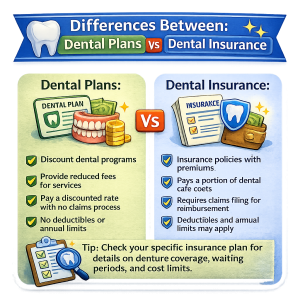
Types of Dental Care Services Covered
Exploring the dental care services covered by insurance plans helps you make informed decisions about your oral health. Dental insurance in North Carolina typically breaks down services into three main categories: preventive, basic, and major care. These categories ensure comprehensive coverage of different dental needs, from routine check-ups to advanced treatments. Understanding these distinctions can guide you in selecting a dental plan that best meets your requirements, maximizing your dental benefits and minimizing out-of-pocket expenses. Whether new to dental insurance or re-evaluating your coverage, it’s vital to grasp these service types for effective decision-making.
Preventive, Basic, and Major Care Services
Dental plans often categorize services into preventive, basic, and major care, each with specific coverage and benefits. Preventive care usually includes routine dental services like cleanings, exams, and X-rays, aimed at maintaining oral health and catching issues early. Typically, these are covered with little to no out-of-pocket cost. Basic care covers common procedures such as fillings and simple extractions, usually requiring a copayment. Major care involves complex treatments like crowns and dentures, often with a higher cost share. Recognizing these distinctions is key when choosing a plan that balances insurance coverage and personal dental care needs.
Unveiling Insurance Plans: Aetna and More
Choosing the right insurance can be a daunting task, especially when considering the vast array of options available. Aetna, Cigna, and Delta Dental are key players in providing dental and vision plans tailored for the residents of North Carolina. Each offers unique insurance plans designed to cater to varying needs, focusing on dental vision benefits and comprehensive care. Understanding the details within plan documents helps clarify what each provider offers and their network’s extent. As you explore these options, knowing their benefits and limitations ensures you’re making informed decisions for your healthcare.
How Aetna Offers Dental Vision Benefits
Aetna Dental provides comprehensive insurance plans that combine both dental and vision benefits, making it easier for North Carolina residents to manage their healthcare needs. These plans are designed to offer extensive coverage, ranging from preventive dental care to vision plans that include eye exams and corrective lenses. Aetna ensures that their network includes a broad range of providers, ensuring members have access to essential services without the hassle of out-of-network costs. As you delve into the specifics, check the plan documents to understand the full scope of benefits and any limitations that may apply. This way, you can maximize your healthcare benefits and access the care you need.
Balancing Costs: Coverage vs. Benefits
Finding the right balance between costs and benefits in dental insurance can be challenging. While coverage is essential for accessing necessary dental care, understanding the overall benefits within a plan helps you make informed decisions. Dental plans often include various services, but it’s crucial to consider expenses, such as additional costs for major procedures. Affordability is a key factor to consider as well, especially in conjunction with existing healthcare needs in North Carolina. By carefully weighing coverage against potential expenses, you can choose effective insurance plans that align with your budget and healthcare needs.
Affordability and Additional Expenses
When exploring dental insurance, understanding the true cost involves looking beyond the premiums. Additional expenses, such as deductibles and copayments, can increase the overall costs. Budgeting for these is vital to avoid unexpected financial strain. Some insurance plans offer lower premiums but may require higher out-of-pocket costs for certain dental care. It’s also important to consider how insurance providers address major expenses, including treatments like crowns or dentures. Consulting plan documents can offer clarity, revealing potential hidden costs and helping you weigh affordability against the insurance benefits offered. This careful evaluation ensures you’re not overextending financially while securing necessary dental coverage.

Understanding Waiting Periods in Dental Plans
Waiting periods in dental plans can be a bit puzzling, but they’re an important aspect to grasp. When you’re new to an insurance plan, waiting periods specify the time you must wait before certain dental services are covered. This delay helps insurance companies manage costs and coverage risks while ensuring members who need regular care can still access basic services without disruption. Understanding the role of waiting periods helps you make informed decisions about your dental insurance, particularly when balancing coverage for preventive care, fillings, and more involved procedures.
Why Waiting Periods Exist in Insurance Plans
Waiting periods are a common feature in dental insurance plans for several reasons. They serve as a mechanism for insurance companies to manage financial risks associated with new members joining a plan. Without a waiting period, individuals might sign up for coverage only when they require extensive care, significantly driving up costs. Thus, waiting periods help stabilize insurance costs and ensure that coverage remains affordable for everyone. They also encourage long-term policy retention, as members are more likely to maintain their insurance over time, receiving consistent dental care and maximizing their benefits. Understanding this helps you plan better around your dental care needs.
Find & Compare Plans Online
Exploring Dental and Vision Options in Your Area
When searching for dental and vision insurance options in North Carolina, it’s essential to consider both the available providers and the network of professionals included in each plan. Understanding insurance plans can be overwhelming, but focusing on details within plan documents can illuminate crucial elements such as insurance coverage for dental care and vision plans. Ensure the plan you choose integrates seamlessly with the services you need, providing comprehensive dental benefits without unexpected surprises. By reviewing coverage specifics and comparing network providers, you can confidently navigate the landscape of dental and vision insurance, optimizing your health care in a balanced way.
| Provider | Dental Network | Vision Network | Coverage Details |
|---|---|---|---|
| Provider A | Extensive network with multiple specialists | Wide range of optometrists and ophthalmologists | Includes preventive care and certain procedures |
| Provider B | Access to a variety of general dentists | Partnership with popular eyewear retailers | Comprehensive eye exams and discounts on glasses |
| Provider C | Offers specialized children’s dental programs | Pediatric-focused vision services | Emphasizes family-oriented plans |
| Provider D | National network with emergency dental support | Advanced care options for complex vision issues | Add-on features available for extensive coverage |
This table provides a clear overview of dental and vision insurance options, helping you make informed decisions for your health care needs.
As you explore vision and dental insurance options in North Carolina, it’s essential to compare plans to find one that matches your needs and budget. Check coverage details, waiting periods, and the types of services included. Understanding these aspects can help you make an informed decision. Enter your ZIP code on our website to see plans available in your area. Remember, costs and coverage can vary based on your location, so it’s helpful to review different options. We aim to support your journey towards better oral and vision health.
Compare plans and enroll online
Frequently Asked Questions
What types of dental services are typically covered under insurance plans in North Carolina?
Dental insurance plans in North Carolina usually categorize services into three main types: preventive, basic, and major care.
1. Preventive: Routine check-ups, cleanings, and X-rays (often covered with little to no out-of-pocket cost).
2. Basic: Procedures such as fillings and simple extractions (usually require a copayment).
3. Major: Complex treatments like crowns, dentures, and possibly other in-depth procedures (often with higher cost-sharing).
How do dental insurance plans in North Carolina vary by provider?
Plans differ by provider based on the coverage levels, network access, cost of premiums, and specific benefits included. Providers like Aetna, Cigna, and Delta Dental offer various plans designed to meet diverse dental needs.
What is the significance of waiting periods in dental insurance plans?
Waiting periods specify the time you must wait before certain dental services are covered. They help insurance companies manage costs and encourage continuous policy retention by preventing immediate claims for costly procedures right after enrollment.
What should I consider when selecting a dental insurance plan in North Carolina?
Consider the coverage offered, cost of premiums, network of providers, waiting periods, and how the plan documents outline benefits and exclusions. Whether your preferred dentist is in-network can also significantly impact your decision.
Why is understanding the coverage and cost balance in dental insurance important?
Balancing coverage against costs is vital to avoid unforeseen expenses. While a plan may offer extensive coverage, higher out-of-pocket costs for major procedures can affect affordability. Careful examination of plan documents will aid in budgeting for both premiums and potential additional costs.
Find & Compare Plans Online
ZRN Health & Financial Services, LLC, a Texas limited liability company

Russell Noga is a Dental Insurance Educator who writes informational content focused on helping consumers understand dental insurance coverage, benefits, and common plan features. His work emphasizes clear explanations of preventive care, basic and major services, waiting periods, provider networks, and plan limitations. Content is reviewed periodically to ensure clarity and accuracy and is based on publicly available sources. Information may change over time as plan details, availability, and coverage options are updated.