If you experience discomfort or jaw pain from TMJ, understanding your dental insurance options is important. TMJ, short for temporomandibular joint disorder, can often mean treatments to manage symptoms and improve comfort. While not every dental insurance plan includes TMJ coverage, some offer benefits that help with related care, like orthodontics or physical therapy. This guide explores dental plans that may provide coverage for TMJ treatments. We discuss different plans, potential benefits, and important considerations so you can make informed choices about managing TMJ with the right dental coverage.


Dental Insurance for Seniors
find affordable dental insurance





Best Dental Insurance for TMJ
Key Highlights
- TMJ affects the jaw joint, causing discomfort impacting chewing and speaking.
- TMJ symptoms include jaw pain, headaches, and potential emotional stress due to chronic discomfort.
- Navigating TMJ insurance coverage requires understanding policy details and potential eligibility challenges.
- Basic dental plans generally cover check-ups, cleanings, and diagnostics essential for TMJ management.
- Advanced TMJ treatments like orthodontics or surgery might need verification for insurance coverage.
Compare plans and enroll online
Understanding TMJ and Its Impact on Oral Health
TMJ, or temporomandibular joint disorder, is a condition affecting the joint connecting the jaw to the skull. It can cause significant discomfort and challenges for oral health. Many individuals with TMJ experience pain and difficulty with activities like chewing and speaking. Understanding TMJ is vital for managing symptoms and maintaining dental health. With the right knowledge and resources, you can find effective ways to address TMJ and its impact. This section will discuss common TMJ symptoms and how this condition affects dental health, providing valuable insights for those seeking relief and better oral health management.
What Is TMJ and Common Symptoms?
TMJ, short for temporomandibular joint disorder, involves the hinge connecting the jawbone to the skull. This condition can lead to discomfort, impacting daily activities like chewing and speaking. Recognizing the common symptoms of TMJ is crucial for early intervention and effective management. Common symptoms include jaw pain, headaches, and a clicking or popping sound when using the jaw. These symptoms can vary in intensity and duration, often fluctuating over time. Jaw pain is a hallmark of TMJ, frequently exacerbated by chewing or yawning. This pain can also radiate to surrounding areas of the face and neck, leading to discomfort that can significantly affect one’s quality of life.
People with TMJ might also experience pain or pressure around the temples and in the ears, often mistaken for ear infections. This is because the temporomandibular joint is located close to the ear canal, and inflammation in the joint can easily be felt as ear pain. In addition to physical symptoms, TMJ can cause emotional stress due to chronic pain and discomfort, impacting overall well-being. Dental health can also suffer as people with TMJ tend to avoid using their jaws to alleviate pain, sometimes leading to changes in diet and nutritional intake. Recognizing the early signs of TMJ can prompt individuals to seek medical advice, enabling timely care and prevention of further complications.
Treatment of TMJ involves a multidisciplinary approach, often requiring the expertise of dentists, orthodontists, and sometimes even physiotherapists. Gentle jaw exercises, warm compresses, and stress management techniques are often recommended as first-line strategies to alleviate TMJ symptoms. However, it’s important for patients to consult with healthcare providers to develop a comprehensive treatment plan tailored to their specific needs. Understanding the nuances of TMJ, along with recognizing its symptoms, is an essential step in taking proactive care of oral health.
How TMJ Affects Dental Health
The impact of TMJ on dental health can be substantial, as the condition directly affects the jaw’s function and position. TMJ may lead to misaligned teeth, changes in bite alignment, and increased wear and tear on dental surfaces. When the jaw doesn’t function properly, it can create uneven stress distribution across the teeth, potentially leading to tooth damage and decay. This stress often manifests as chips or cracks in the teeth, increasing the likelihood of subsequent dental problems. Additionally, people with TMJ may unintentionally clench or grind their teeth, a condition known as bruxism, which can further harm dental health.
Another consequence of TMJ is its effect on gum health. Due to pain and discomfort, individuals may inadequately clean their teeth and gums, resulting in plaque buildup or gingivitis. Jaw pain can also deter people from attending regular dental checkups, exacerbating potential oral health issues. The joint’s dysfunction can alter facial structure, leading to aesthetic concerns and increasing mental stress over time. These changes might include noticeable jaw shifts or altered facial contours that require cosmetic dental interventions.
Maintaining oral health with TMJ involves specific strategies focused on mitigating the condition’s adverse effects. It’s crucial for patients to maintain regular dental appointments for the early detection and management of potential issues. Effective communication between dental professionals and patients is important to devise personalized care plans that accommodate the unique challenges posed by TMJ. Although TMJ is a challenging condition to live with, understanding its impact on dental health can empower individuals to make informed decisions about their care. Consideration of both physical and mental health aspects is vital to manage the effects of TMJ holistically, ensuring a better quality of life.
Building on this information, here are essential strategies to support dental health for individuals suffering from TMJ:
- Schedule regular dental visits for early detection and management of TMJ-related issues.
- Practice stress-reduction techniques to minimize teeth grinding associated with TMJ.
- Use a custom-fitted mouthguard to prevent teeth clenching and grinding during sleep.
- Maintain excellent oral hygiene, even if experiencing discomfort, to prevent plaque buildup.
- Modify your diet to include softer foods that reduce strain on the jaw.
- Explore physical therapy exercises to improve jaw function and alleviate pain.
- Discuss with your dentist cosmetic options for any aesthetic concerns related to facial structure changes.
Implementing these strategies can help improve oral health and manage TMJ symptoms effectively.

Navigating TMJ Insurance for Better Coverage
Finding dental insurance that covers TMJ can feel daunting, but understanding your options will empower you. Many insurance plans have specific guidelines about TMJ coverage, so knowing what to look for is crucial. This section will explore the ins and outs of insurance coverage for TMJ and the common challenges you might face. By gaining insight into these areas, you can make informed decisions and select a plan that meets your healthcare needs, bringing clarity to the often confusing world of dental insurance for TMJ conditions.
Exploring Insurance Coverage for TMJ Treatments
Insurance coverage for TMJ treatments can vary widely, and knowing what your plan offers is essential. TMJ, or temporomandibular joint disorder, affects a growing number of patients, creating a demand for diverse treatment options. To start, it’s critical to review the specific coverage your dental insurance plan provides. Some plans may include basic coverage for TMJ evaluations and diagnostics, while others might offer more extensive benefits like therapy and medication. Understanding your policy’s details will help you identify which treatments are covered and which are not.
Another aspect to consider is how the coverage applies to the various treatments available for TMJ. For instance, orthodontic interventions can sometimes be excluded under basic coverage, despite their importance in correcting bite issues linked to TMJ. Similarly, there may be limits on the coverage for physical therapy sessions or the use of custom splints, devices often recommended by dentists to alleviate TMJ symptoms. Patients should scrutinize policy terms to avoid surprises when pursuing these treatments.
Waiting periods are another factor impacting TMJ treatment coverage. Many insurance plans enforce a waiting period before specific benefits kick in, which could delay access to necessary treatment. Understanding these waiting periods, along with pre-authorization requirements for TMJ treatments, is crucial for planning your care. Communicating with your insurance provider and healthcare professional can paint a clearer picture of what’s needed to proceed effectively.
Lastly, being proactive by asking questions about TMJ coverage and seeking clarity from your plan provider can prevent misunderstandings. Documenting every interaction can be valuable, especially when discrepancies arise regarding what was promised and what’s actually provided. With these insights, you can navigate the complex realm of dental insurance coverage for TMJ, setting the stage for optimized care tailored to your unique needs and paving the way for improved oral health management.
Potential Challenges with TMJ Insurance
Challenges with securing TMJ insurance coverage are common but manageable with the right approach. One of the primary challenges is the inconsistency in coverage across different insurance plans. Frequently, TMJ treatment is classified under both dental and medical insurance plans, depending on the nature of the treatment. While this dual categorization can be beneficial, it often leads to confusion about eligibility and benefits. It’s important to determine whether your plan treats TMJ-related treatments as a dental or medical issue, as this distinction affects coverage specifics.
Many insurance providers require detailed documentation to substantiate the need for TMJ treatment. This documentation might involve medical history, detailed diagnostic reports, and a professional treatment plan from your dentist or healthcare provider. Gathering and submitting this documentation can be a painstaking process, yet it’s essential for securing coverage. Proactively collecting the necessary paperwork and keeping it organized can significantly expedite claim approvals and benefit receipts.
Another common challenge relates to the scope of coverage provided. While some plans may offer comprehensive coverage for diagnostics and consultations, they might limit benefits for ongoing treatments like surgery or extended therapy. Understanding these limitations helps in planning your healthcare strategy and prevents unforeseen expenses. Patients might need to consider supplemental insurance or alternative financing options to cover comprehensive TMJ treatment.
While navigating these challenges, collaboration with your dental care provider is also key. Dentists experienced with TMJ can offer guidance on communicating with insurance companies, help articulate the necessity of your treatment, and ensure all medical evidence aligns with insurance requirements. By understanding and preparing for these potential hurdles, patients can more confidently manage their TMJ condition with insurance coverage that supports their needs, paving the way for improved oral health outcomes.
If you’re exploring dental insurance options for TMJ, remember that every patient’s situation is unique. Entering your ZIP code into our site will show you plans available in your area, helping you understand specific coverage options tailored to you.
The Role of Dental Insurance in Managing TMJ
Navigating the complexities of TMJ, also known as temporomandibular joint disorder, often involves understanding dental insurance coverage. Dental insurance can significantly influence the management of TMJ by covering specific services and treatments. However, the scope of coverage varies widely across different plans, affecting what patients can expect in terms of basic and advanced care. By learning more about the types of dental services covered, individuals can better tailor their insurance to meet their TMJ needs. We’ll explore what basic dental services are typically covered and delve into options for more advanced TMJ treatment coverage.
Basic Dental Services Covered by Insurance
Understanding what basic services are covered by dental insurance is crucial for managing TMJ effectively. Insurance plans generally include a range of dental care services essential for maintaining oral health. These often encompass regular check-ups, cleanings, and basic dentistry tasks like fillings and X-rays, which can help monitor the health of teeth and gums affected by TMJ. Regular dental visits enable dentists to spot early signs of dental health changes that might be linked to TMJ, such as misalignment or uneven wear on teeth.
Coverage for routine dental services can vary by plan, but many offer preventive care to help manage overall dental health. Preventive services are vital for patients with TMJ, as conditions like bruxism, a common byproduct of TMJ, can exacerbate the wear on teeth, leading to further complications if left unchecked. Similarly, insurance coverage for basic diagnostics like X-rays helps in the continual monitoring of jaw function and alignment.
While basic services are a standard component of most dental plans, the extent of covered services can differ, rendering it important to scrutinize individual policy specifics. Some plans may include additional preventive measures, like sealants or fluoride treatments, which protect tooth enamel and mitigate TMJ-induced dental wear. Such preventive care reduces the likelihood of costly restorative treatments in the future, providing long-term value.
Patients should also pay attention to policy details concerning coverage limits and waiting periods. While preventive and diagnostic services might be included immediately, some plans impose waiting periods before certain benefits kick in. Understanding these nuances assists in formulating a comprehensive care plan that aligns with the insurance coverage timeline. As you assess your insurance policy, look for clauses that outline preventive services and check for any exclusions or limitations that could impact your dental care strategy for TMJ.
Advanced TMJ Treatment Coverage Options
When TMJ symptoms extend beyond basic care needs, advanced treatment options become essential, but coverage for these services often varies. Dental insurance may cover some specialized procedures, while others might require medical insurance due to the nature of the treatment. Advanced care can include orthodontic services, which address misaligned bites that aggravate TMJ, and specialized dental appliances such as occlusal splints, designed to alleviate pressure on the jaw.
Orthodontic treatment, although beneficial for TMJ, is not always fully covered under basic dental plans. It is essential to verify whether your insurance considers such procedures medically necessary, as this could influence coverage levels. Dental appliances like splints or custom night guards may be partially covered, depending on the policy details. These devices play a crucial role in reducing grinding or clenching, alleviating TMJ symptoms over time.
Beyond orthodontics and appliances, some patients may need physical therapy or surgery, which are typically categorized under medical insurance. These treatments aim to address more severe TMJ conditions, providing long-term relief. Physical therapy sessions are often prescribed to enhance jaw function, improve flexibility, and reduce discomfort. Similarly, surgical interventions, though a last resort, might be necessary for joint repair or replacement and require pre-authorization from the insurance provider.
It’s important to engage with both your dental and medical insurance providers to understand what specific treatments are covered. Ask about lifetime maximums, as these can impact the extent of coverage available for TMJ-related procedures over time. Collaborating with your healthcare team to gather all necessary documentation is vital for pre-authorization and ensuring seamless claim processing. By comprehensively understanding these advanced coverage options, patients can make informed decisions about their TMJ treatment, ensuring that they receive both timely and effective care.
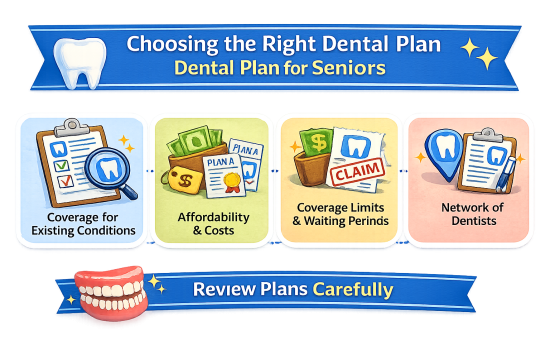
Comparing Dental Plans for Comprehensive Coverage
Exploring dental plans for TMJ coverage involves assessing options that offer comprehensive care. For those grappling with TMJ, it’s essential to find insurance that covers services beyond basic treatments. This section provides insights into selecting the right dental plan and how to align it with your healthcare needs. By understanding plan variations, you can choose coverage that best supports your TMJ treatment journey and overall oral health. We’ll delve into choosing a suitable dental plan and finding plans that meet your specific needs.
| Plan Coverage | Treatment Options | Provider Network | Cost Considerations |
|---|---|---|---|
| Includes basic and major dental services | Supports TMJ therapies such as splints and physical therapy | Access to a wide range of specialists and general dentists | Evaluate premium rates and out-of-pocket expenses |
| Offers coverage for preventive care visits | Coverage for orthodontic treatments related to TMJ | Network includes top-rated TMJ specialists | Consider deductibles and annual maximums |
| Emergency dental service availability | Includes medication and pain management for TMJ | In-network possibly offering lower co-pays | Look for plans with no waiting periods |
This table provides an overview of key factors to consider when exploring dental plans for comprehensive TMJ coverage.
Find & Compare Plans Online
How to Choose a Suitable Dental Plan
Choosing a suitable dental plan, especially for conditions like TMJ, requires careful consideration of what each plan covers. Start by evaluating the nature of your TMJ condition and the treatments recommended by your healthcare provider. TMJ treatments can range from simple splints to more comprehensive interventions like therapy or surgery. Your choice of a dental plan should reflect these potential needs. One crucial aspect to examine is how well a dental plan integrates with existing health insurance, as some TMJ treatments might fall under medical rather than dental coverage. This integration is important for ensuring that treatments, especially those that cross into medical territory, are both accessible and affordable.
Additionally, review the plan’s coverage for preventive services and diagnostics, as these are essential for monitoring and managing TMJ. Regular check-ups, cleanings, X-rays, and basic exams are typically part of preventive care, but the extent can vary significantly between plans. Some plans might provide extensive diagnostics and basic treatment coverage, while others might offer limited options, so it’s vital to understand these differences. Preventive care is the foundation upon which TMJ management is built, assisting in avoiding more severe complications down the line.
Another factor is the flexibility of the plan concerning advanced treatment options. Orthodontics and dental appliances, like splints or night guards, are commonly recommended for TMJ but are not universally covered. Assess whether the plan requires referrals or pre-authorizations for such treatments. Tapping into network savings by choosing in-network providers can also manage costs, but it might limit access to certain specialists. Evaluating the doctor network associated with the plan is therefore essential, ensuring that it includes professionals experienced in managing TMJ.
Cost is often a deciding factor, so compare premiums, deductibles, and out-of-pocket maximums. This financial assessment helps in understanding the immediate and long-term expenses related to TMJ care. Look for plans with capped out-of-pocket costs for predictability in financial planning. Finally, verify any waiting periods for specific TMJ treatments, as these timelines can delay necessary care. By meticulously reviewing these elements, you can select a dental plan that effectively supports your TMJ treatment needs and optimizes your oral health management.
Finding Plans That Meet Your Needs
Finding a dental plan that meets your specific needs for TMJ treatment requires a strategic approach. Start by outlining your particular TMJ symptoms and corresponding treatment needs. This clarity will guide your investigation into which plans are well-suited to provide the coverage necessary for these treatments. Not all dental plans are created equal, and each may offer different benefits that more or less align with your priorities. It’s important to find a plan that provides sufficient coverage across the spectrum of TMJ-related treatments, which often includes both basic and advanced care.
Accessing a comprehensive plan begins by identifying the type of treatments you may require, such as diagnostics, splint therapy, orthodontic treatment, or even surgical interventions. Look for plans that not only cover these treatments but also offer realistic benefit limits, particularly if you anticipate needing ongoing or extensive care. Some dental insurance plans might include annual maximums or lifetime caps, which can significantly affect long-term treatment affordability, making it essential to scrutinize these details.
In addition to treatment-based considerations, evaluate the structure of the plan’s provider network. Plans with a extensive network of skilled providers increase your access to a variety of specialists, requisite for managing complex TMJ symptoms. Ideally, the network should include providers who are both geographically accessible and experienced in TMJ care. Network restrictions can vary, with some plans offering flexibility for out-of-network care, albeit with different co-payments and deductibles, which can influence overall costs.
Consider also the customer service experience provided by the insurance companies. Efficient, knowledgeable support can be crucial when dealing with TMJ-related queries. The ability to easily connect with representatives who understand the intricacies of dental and medical coverage is invaluable, particularly when trying to coordinate between different specialists or verifying coverage specifics for unusual treatments. A responsive support service can help navigate the sometimes confusing world of insurance claims and approvals.
Finally, take advantage of available resources. Many companies provide online tools or customer support lines that allow you to compare plan specifics, or you can input your ZIP code on our website to view local options tailored to your needs. Engaging with these resources can ease the process of finding a dental plan that best supports your TMJ treatment journey, ensuring you receive the care and support needed for better oral health management.
Finding dental insurance that covers TMJ can help you reduce out-of-pocket costs and access necessary treatments. It’s important to compare the various plans available to find one that suits your specific needs, including TMJ coverage. Consider the services included, costs involved, and any waiting periods. You can enter your ZIP code on our website to review dental insurance plans in your area, ensuring you choose a plan that aligns with your requirements for TMJ treatment. Remember, coverage and plan availability may vary by location, so exploring your options is key.
Compare plans and enroll online
Frequently Asked Questions
What is TMJ and why is it important to have dental insurance coverage for it?
TMJ, or temporomandibular joint disorder, affects the joint connecting the jaw to the skull. This condition can cause discomfort and impact daily activities like chewing and speaking. Dental insurance coverage can help manage treatment costs for TMJ, which may include diagnostics, appliances, and even surgery, depending on the severity.
Are there specific dental plans that cover TMJ treatments?
Certain dental plans may offer some coverage for TMJ treatments. It’s crucial to review the policy details to see if benefits extend to diagnostics, orthodontics, or dental appliances. Coverage can vary significantly based on the plan and insurer, so it’s important to compare your options.
What are common TMJ symptoms that dental insurance plans consider for coverage?
Common TMJ symptoms include jaw pain, headaches, ear pain, clicking or popping sounds when moving the jaw, and pressure around the temples. Some dental insurance plans may cover treatments aimed at managing these symptoms, so check the policy’s specific coverage terms.
What are the challenges of getting TMJ treatments covered under dental insurance?
Challenges include varying coverage across different plans, specific pre-authorization requirements, and sometimes classifying TMJ treatments under medical insurance instead of dental insurance. It’s essential to carefully review each plan’s terms for TMJ-related treatments.
How can I find dental insurance plans that cover TMJ treatments?
You can search for dental insurance plans that cover TMJ by reviewing plan summaries and contacting insurers for clarification. It’s helpful to use online resources like Dentalinsuranceforsenior.org, where you can enter your ZIP code to see available plans in your area and their specific coverage for TMJ.
Find & Compare Plans Online
ZRN Health & Financial Services, LLC, a Texas limited liability company

Russell Noga is a Dental Insurance Educator who writes informational content focused on helping consumers understand dental insurance coverage, benefits, and common plan features. His work emphasizes clear explanations of preventive care, basic and major services, waiting periods, provider networks, and plan limitations. Content is reviewed periodically to ensure clarity and accuracy and is based on publicly available sources. Information may change over time as plan details, availability, and coverage options are updated.