Medicare Supplemental Insurance, often called Medigap, helps cover costs not included in standard Medicare plans, but it usually doesn’t cover dental care. Without this, many seniors seek Supplemental Dental Insurance to bridge the gap. Understanding how these two insurance options work together provides clarity on managing dental expenses. This guide explains the differences in coverage, what each plan typically includes, and how they can fit into your overall healthcare strategy. Knowing the details helps ensure you’re making informed decisions about how to safeguard your dental health and financial well-being.


Dental Insurance for Seniors
find affordable dental insurance





Medicare Supplemental Insurance Dental Coverage
Key Highlights
- Medicare Supplemental Insurance often doesn’t cover dental care, prompting seniors to seek additional plans.
- Supplemental dental insurance covers gaps in Medicare, offering broader dental services like cleanings and dentures.
- Dental insurance types include individual, group, and Medicare Advantage plans, each with unique benefits.
- Understanding what dental insurance covers and excludes helps in planning for potential healthcare costs.
- Choosing the right plan involves assessing dental needs, coverage limits, and network restrictions.
Compare plans and enroll online
Understanding Medicare and Dental Insurance
Medicare and dental insurance can be challenging to navigate. Understanding the differences between them helps in making informed decisions about healthcare. Medicare, a federal program, primarily focuses on medical insurance and offers limited dental coverage. For broader coverage, additional dental plans might be necessary. These plans can complement Medicare by covering specific dental procedures, such as cleanings and fillings. Recognizing the nuances between Medicare’s coverage and private dental insurance options is essential. This can help ensure you receive the care needed without unexpected costs.
Types of Dental Insurance Available
Diving into the world of dental insurance reveals a variety of plans designed to meet diverse needs. Primarily, there are two types: individual dental insurance plans and group plans. Individual plans are available for purchase directly from an insurance provider, allowing for flexibility in choosing coverage that fits personal needs. These plans often include preventive services, basic procedures like fillings, and major work such as crowns. Group plans, on the other hand, are typically offered through employers or organizations. They might provide more comprehensive benefits at lower costs due to the collective bargaining power of a group.
A third option involves discount dental plans, offering savings on dental procedures instead of traditional insurance coverage. These are helpful for those who seek lower costs but do not mind paying out-of-pocket for every visit. Importantly, Medicare Advantage plans (Medicare Part C) may include dental coverage. These plans, managed by private insurance companies, combine Medicare Part A (hospital insurance) and Part B (medical insurance), sometimes offering additional benefits like dental care. However, not all Advantage plans are created equal; checking what’s covered is vital to avoid surprises.
Moreover, seniors can consider standalone dental insurance, which works alongside Medicare to provide broader dental coverage. Covered benefits might include routine exams, X-rays, or necessary procedures to maintain oral health, such as dentures or extractions. When exploring these options, it’s important to compare the costs, coverage limits, and network restrictions. Each insurance type has its pros and cons, and understanding these distinctions is key to deciding what will work best for individual health needs.
Medicare Dental Coverage Explained
Medicare, while comprehensive in many areas, traditionally offers limited dental coverage. Original Medicare typically doesn’t cover most dental care, procedures, or supplies, like cleanings, fillings, tooth extractions, dentures, dental plates, or other dental devices. However, there are exceptions. Medicare may cover dental services that are an integral part of covered procedures, such as jaw reconstruction surgery after an accident or tooth extractions done in preparation for radiation treatment for cancer involving the jaw.
It’s crucial to understand that general dental work remains uncovered by Original Medicare.
For seniors wanting dental coverage with their Medicare benefits, enrolling in a Medicare Advantage plan could be beneficial. Some Advantage plans offer dental benefits, although the scope and costs can vary. These may provide access to preventive care like cleanings and exams, and sometimes more extensive procedures. It’s vital to read the plan details, as not all Advantage plans include dental benefits, and those that do may have limitations or require using network dentists to receive costs benefits. Consideration of how well a plan’s network matches preferred local dentists is important as well.
Another approach is purchasing a supplemental dental plan.
These plans are designed to enhance Medicare, covering dental care not included in Medicare’s basic offerings. Supplemental plans can help fill gaps by including essential procedures and preventive care. Often structured to address senior concerns about unexpected dental expenses, these plans can make the difference in maintaining oral health without a financial burden. As seniors explore their options, understanding how Medicare interacts with various dental plans will empower them to select the appropriate coverage to suit their needs and budget. Being informed fosters confidence in managing health care decisions effectively.
Options for enhancing Medicare benefits with dental coverage:
- Compare Medicare Advantage plans for dental benefits to find one that meets your needs.
- Check dentist network availability with each Advantage plan for access convenience.
- Review supplemental dental plans for additional coverage beyond regular Medicare.
- Explore plans offering preventive services like cleanings and exams.
- Verify inclusion of discounts or benefits on major procedures like crowns or dentures.
- Consider monthly premiums and out-of-pocket costs of dental plans.
- Investigate the impact of existing medical conditions on dental coverage.
These considerations will help guide you to better dental health options within Medicare.

Exploring Supplemental Dental Insurance
Supplemental dental insurance is a valuable option for seniors looking to extend their dental coverage beyond what Medicare provides. Since Medicare typically offers limited dental benefits, these supplemental plans serve to fill the gaps, ensuring necessary dental care is accessible. By understanding how these plans work and the benefits they offer, seniors can make wiser choices to better manage their healthcare expenses. This section details how supplemental dental insurance fits into the wider healthcare landscape for those relying on Medicare, emphasizing the advantages these plans can bring.
How Supplemental Plans Work with Medicare
Supplemental plans are designed to enhance existing Medicare coverage, providing an extra layer of protection for your dental health. When Medicare falls short in covering necessary dental procedures, these plans step in. While Medicare covers essential medical services, it often overlooks routine dental treatments such as cleanings, exams, and fillings. Supplemental dental insurance steps in to close this gap, assisting in covering the costs of these essential services. Many seniors find themselves facing unexpected dental expenses, and without the appropriate coverage, these costs can become significant burdens. By choosing supplemental insurance, individuals can alleviate some of these financial pressures, particularly where dental care is concerned.
Understanding how supplemental dental insurance works with Medicare is crucial. Essentially, these plans are separate from Medicare but are designed to complement the coverage it provides. For instance, a supplemental dental insurance policy might cover preventative care, which is not included under Original Medicare. This means routine check-ups, necessary cleanings, and diagnostic X-rays may be covered at a fraction of the cost. Seniors often value this option as it allows them to maintain their oral health without constantly worrying about out-of-pocket expenses. Moreover, supplemental dental plans offer the flexibility to cover unforeseen dental requirements, such as crowns or emergency dental procedures, which otherwise would pose financial strains.
Another aspect that makes supplemental plans appealing is their adaptability. Unlike Medicare, where you might find rigid limits on what dental procedures are covered, supplemental plans can provide tailored coverage to meet various needs. This flexibility is especially beneficial for seniors with specific dental health concerns that may not align with Medicare’s limited dental scope. Supplemental insurance offers a broader range of dental treatments, allowing for comprehensive care that is crucial as dental health needs evolve with age. Consequently, seniors who invest in these plans tend to report better dental health outcomes, enhancing their overall quality of life and well-being.
Additionally, supplemental dental insurance often comes with an understanding of the importance of network dentists. While Medicare Advantage plans sometimes restrict patients to specific dentist networks, supplemental plans might offer more extensive coverage with fewer network restrictions. This means seniors can choose their preferred providers without the compulsion to switch dentists, preserving continuity in their dental care. The ability to select one’s dentist is a significant benefit, ensuring consistent, familiar care, which can be crucial for optimizing dental health management. Consistency in care is invaluable, as it fosters a deeper understanding between patient and provider, ultimately resulting in more effective and personalized dental treatments.
Benefits of Supplemental Dental Insurance
The benefits of supplemental dental insurance extend far beyond just filling the gaps left by Medicare. One of the key advantages is accessibility to a broader range of dental services, ensuring comprehensive oral health care. Many supplemental plans cover not just preventative care but also necessary treatments like fillings, crowns, and potentially even dentures or implants. These are services typically excluded from original Medicare offerings, thus, having supplemental insurance provides the flexibility to meet diverse dental needs, aligned with the aging process and its impact on oral health.
Another significant benefit is the potential for reduced out-of-pocket costs. By purchasing supplemental dental coverage, seniors can often reduce the financial burden associated with routine and unexpected dental expenses. Seniors worried about the high cost of dental procedures can find peace of mind knowing their supplemental plan may help cover a significant portion of these expenses. This financial relief allows individuals to prioritize their dental health without the stress of potential bills deterring necessary care. Consequently, this promotes proactive dental health maintenance, which is critical in preventing larger, more expensive issues later on.
Supplemental dental insurance plans also offer greater peace of mind through predictability and budgeting. Many plans provide detailed outlines of what is covered and at what cost, allowing for informed budgeting and planning. Seniors can plan for not just their current dental needs but also potential future requirements without the anxiety of unexpected financial surprises. This structured approach to health planning ensures that dental care fits seamlessly into seniors’ broader healthcare routines, aligning with their financial and health objectives.
Aside from the financial advantages, supplemental dental insurance enhances access to care, a crucial factor for seniors who might have transportation issues or reside in areas with limited dental service providers. Some plans may offer vision benefits, expanding the care spectrum and ensuring that other crucial healthcare needs are met, all under one umbrella. This comprehensive approach fosters a well-rounded healthcare environment for seniors, covering various aspects of their health with efficiency and ease.
Thus, it’s clear that supplemental dental insurance is more than just a financial safety net. It offers broader access to necessary dental care, directly contributing to improved oral health outcomes and overall wellbeing. For seniors balancing various health concerns, supplemental insurance simplifies managing these issues, allowing for consistent care and enhancing quality of life. In the long run, this comprehensive coverage promotes a healthier, happier aging experience, ensuring dental health remains a priority without overwhelming economic concerns.
Comparing Dental Insurance Plans and Costs
Choosing the right dental insurance plan involves understanding coverage differences and cost implications to meet your needs. Dental plans vary greatly, from those covering preventive care to those addressing complex procedures. Comparing the costs and benefits of these plans helps ensure you make informed decisions that align with your healthcare goals. Additionally, comprehending how dental coverage works with Medicare and supplemental insurance can further guide effective plan selection. Understanding these dynamics is key to optimizing your dental healthcare experience without encountering unexpected expenses.
| Plan Type | Coverage Details | Exclusions | Cost Implications |
|---|---|---|---|
| Preventive | Includes cleanings, exams | Cosmetic procedures | Low out-of-pocket |
| Basic | Fillings, simple extractions | Major treatments | Moderate deductible |
| Major | Crowns, bridges, dentures | Pre-existing issues | High premium |
| Orthodontic | Braces, aligners | Adult coverage | Limited reimbursement |
| Senior Plans | Denture care, screenings | Extensive surgeries | Age-based premium |
This table offers a concise comparison of dental insurance plan options tailored to meet diverse needs. Seniors should carefully assess each plan’s specifications regarding covered services, possible exclusions, and financial commitment to ensure informed decision-making in their dental healthcare journey.
Find & Compare Plans Online
What Dental Insurance Covers and Excludes
When exploring dental insurance, it’s essential to clearly understand what is typically covered and what is excluded. Most dental plans offer coverage that encompasses preventive services such as cleanings, exams, and X-rays. These are crucial for maintaining oral health and catching any potential issues early, helping to avoid more expensive treatments later. However, some plans might limit the number of covered cleanings per year, so it’s important to check these details beforehand. Major dental procedures, including crowns and root canals, are often covered but to a lesser extent. Plans might include these under basic or major services, with a higher out-of-pocket cost than for preventive care.
Another key point is that specific procedures tend to be excluded from coverage or require separate policies. For example, cosmetic procedures like teeth whitening are typically not covered by standard dental insurance as they are considered non-essential to dental health. Additionally, dental implants, though sometimes included in more comprehensive plans, might not be covered, prompting the need for supplemental dental plans or out-of-pocket payment. Assessing the exclusions carefully will prevent any surprises when you need specific dental treatments.
When it comes to Medicare, dental coverage becomes even more selective. Original Medicare generally excludes routine dental care, which means seniors often need supplemental dental insurance to address these needs. Medicare Advantage plans may offer some dental benefits, but the specifics can significantly vary. It’s always advisable to scrutinize the plan details to understand what dental procedures will indeed receive coverage. During this evaluation process, identifying whether the plan covers dental emergencies or specific geographic coverage limitations is crucial, particularly for those living in areas with limited healthcare providers.
Understanding what dental insurance covers and excludes enables better planning for dental expenses. It allows you to make informed decisions about which plan best suits your needs, considering both current dental health and potential future requirements. As the costs of dental care can add up quickly, knowing the scope of your dental insurance can offer peace of mind and financial predictability. Engaging a prospective plan’s customer service can also provide clarity if you’re uncertain about specific coverage benefits. Ultimately, the aim is to match your healthcare needs with a plan that offers comprehensive coverage, minimizing out-of-pocket costs and enhancing access to necessary dental services.
Understanding Dental Care Costs for Seniors
The cost of dental care is a significant consideration for seniors who often live on fixed incomes, making it vital to understand the expected expenses and how they can be managed. Dental insurance can help alleviate the financial burden by covering part of these costs, but it’s important to comprehend what this entails. Generally, dental expenses fall into three categories: preventive care, basic services, and major procedures. Preventive care costs are usually minimal with insurance coverage, as these services focus on maintaining oral health. Regular cleanings and exams prevent costly treatments down the line, highlighting the value of maintaining consistent preventative care.
However, many seniors find themselves in need of basic or major dental services, such as fillings, root canals, or dentures, which can be more costly. Insurance plans usually cover a portion of these procedures, but seniors might still face significant out-of-pocket expenses. As you compare plans, paying attention to annual maximums and deductibles is essential, as these can vary widely and directly affect total costs. Plans with low premiums often come with higher out-of-pocket expenses, so balancing these factors is critical in managing overall healthcare expenses effectively.
Medicare, as noted in previous sections, offers limited dental coverage, and seniors often must seek supplemental dental insurance to bridge this gap. These plans can lessen the economic impact of extensive dental work, but not all procedures might be covered fully. Assessing supplemental plan options available to augment Medicare is a wise practice, as it provides a safety net for inevitable but unforeseen dental needs. Considering plans that offer emergency dental care can greatly benefit those prone to urgent health issues, maintaining financial peace during unexpected health challenges.
Cost predictability is another factor, as dental needs can evolve as we age. Ensuring your plan covers current and future dental requirements prevents surprises and allows seniors to maintain their oral health without undue stress. Visiting a dentist regularly for evaluations and seeking advice on potential future needs can offer insights, helping to align your chosen plan with anticipated dental care. This aids in developing a strategic approach to dental health, balancing short-term and long-term needs. Armed with knowledge, seniors can make confident decisions that safeguard both their health and financial wellbeing, ensuring that dental care remains a priority without overwhelming costs.
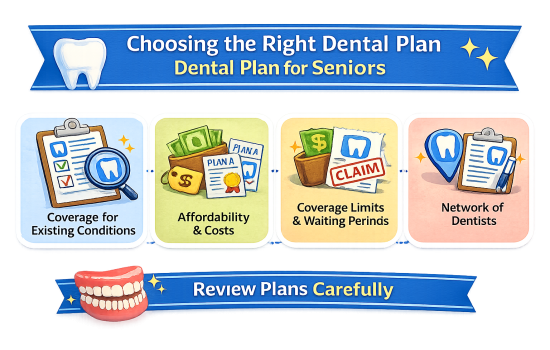
Choosing the Right Supplemental Dental Coverage
Understanding the different options for supplemental dental coverage is crucial to maintaining proper oral health without financial strain. With numerous plans offering varied levels of dental treatments, you can find one that caters to your specific needs. It’s essential to assess plan details and understand how they integrate with Medicare to maximize insurance benefits. This knowledge will help avoid unexpected dental expenses. Here, we’ll explore practical tips for finding plans that suit your needs and help cover a range of dental procedures.
Tips for Finding Plans that Suit Your Needs
When you’re on the hunt for the right supplemental dental insurance, it’s essential to start by assessing your individual dental health needs and any existing coverage you already have through Medicare or another insurance plan. Since Medicare does not generally cover routine dental treatments, a supplemental plan can provide necessary coverage for preventative services, basic care, and even some major procedures. Start by listing the dental treatments you typically require or may need in the future, such as cleanings, fillings, and crowns. Having a clear picture of your anticipated dental needs will guide you in choosing a plan that effectively complements your Medicare coverage.
Next, gather detailed plan information, focusing on aspects such as coverage limits and network restrictions. Some dental plans have an annual maximum coverage limit, meaning they will only pay up to a certain amount each year for covered services. If you expect to need a significant amount of dental care, it’s wise to choose a plan with a higher maximum. Each insurance plan can vary greatly in terms of covered procedures, copayments, and annual limits. Carefully review the plan details to ensure it meets your needs without placing added financial pressure on you.
It’s also crucial to consider the dentist network associated with each plan. Some plans require you to see a dentist within their network, while others might allow you to go to any dentist you choose. If you’re already seeing a dentist you’re comfortable with, check if they’re included in the prospective plan’s network. If not, you may want to compare the potential cost savings against the comfort of remaining with your current dentist. If you frequently need vision services, look for supplemental plans that also offer vision coverage, as this can be more convenient and cost-effective.
Supplemental dental plans also vary in premiums, deductibles, and copays. Balancing these costs is key. A plan with a low premium might not necessarily be the most affordable if it has high out-of-pocket costs for the services you need most. Analyze the benefits of low copays and deductibles against the premium rates to determine what will be most cost-effective in the long run. Consider your dental health needs, how often you visit the dentist, and whether you anticipate needing significant procedures or requiring vision coverage as part of your general healthcare.
Lastly, keeping open communication with the insurance provider and thoroughly understanding plan terms will help you make an informed decision. Getting assistance from a knowledgeable insurance advisor can also be a wise step, as they can provide insights into plan intricacies and how they may fit into your overall health strategy. With the right approach, finding supplemental dental coverage that is compatible with your Medicare plan and tailored to your needs is achievable, ensuring peace of mind for your dental health.
In conclusion, as you navigate the various options available in supplemental dental insurance, consider how they will work alongside your other healthcare plans, such as Medicare. Carefully evaluating plan specifics and envisioning potential future dental needs will help you select coverage that provides ample protection and aligns with both your health priorities and budget. Encouraging proactive dental health management, a well-chosen plan ensures you can keep your smile healthy and confident without fear of unexpected financial challenges.
Understanding your dental coverage options can help you make informed decisions about your health. Whether exploring Medicare Supplemental plans or stand-alone dental insurance, it’s crucial to know their benefits, limitations, and costs. Consider your needs and budget when comparing options. Coverage and prices vary by location, so it’s a good idea to explore different plans available in your area. Enter your ZIP code on our website to learn more about dental insurance options near you. Our goal is to provide you with the information you need to feel confident about your dental coverage choices.
Compare plans and enroll online
Frequently Asked Questions
What is Medicare Supplemental Insurance and does it cover dental care?
Medicare Supplemental Insurance, or Medigap, helps cover costs not included in standard Medicare plans like copayments and deductibles. However, it generally does not provide coverage for dental care. Many seniors look for supplemental dental insurance to cover these gaps for better dental health coverage.
What types of dental insurance are available for seniors?
Seniors can choose from individual dental insurance, group plans, Medicare Advantage plans, and discount dental plans. Each type offers various benefits and can include options such as preventive services, fillings, and major procedures like crowns and dentures.
How do Medicare Advantage plans differ from Original Medicare in terms of dental coverage?
Medicare Advantage plans, managed by private insurance companies, often include additional benefits like dental care which Original Medicare typically does not cover. These plans may provide services such as cleanings and exams but vary in scope and cost. Checking specific plan details is important to understand what dental services are covered.
Why do seniors often choose supplemental dental insurance?
Supplemental dental insurance is an attractive option for seniors because it helps cover dental procedures beyond what Medicare offers, including preventive care, fillings, and more complex procedures. This can alleviate unexpected dental expenses and provide a more comprehensive approach to oral health care.
What factors should be considered when choosing a dental insurance plan?
When selecting a dental insurance plan, it’s important to assess your specific dental needs, understand coverage limits, and be aware of network restrictions. Comparing plans based on costs, which include premiums, deductibles, copays, and the extent of covered dental services, is crucial to finding one that fits your budget and health needs effectively.
Find & Compare Plans Online
ZRN Health & Financial Services, LLC, a Texas limited liability company

Russell Noga is a Dental Insurance Educator who writes informational content focused on helping consumers understand dental insurance coverage, benefits, and common plan features. His work emphasizes clear explanations of preventive care, basic and major services, waiting periods, provider networks, and plan limitations. Content is reviewed periodically to ensure clarity and accuracy and is based on publicly available sources. Information may change over time as plan details, availability, and coverage options are updated.