How Much is Dental Insurance Per Month?

Navigating how much dental insurance costs per month can be confusing. This guide explains the factors that affect individual dental insurance prices, such as plan type, coverage level, and your location. Understand how different plans may suit varying needs and budgets.

For those aged 55, it’s important to find a plan that balances affordability with the care you need. Explore this page to learn how monthly premiums can vary and what to consider when choosing dental insurance. By the end, you’ll feel ready to explore your options with confidence.

Key Highlights

  • Dental insurance covers preventive care like cleanings, but varies by plan for major services like crowns and dentures.
  • Age and location significantly affect dental insurance costs; seniors may face higher premiums due to increased care needs.
  • PPO plans offer greater dentist choice flexibility but often come with higher costs than more restrictive plans.
  • Basic plans focus on preventive care, while comprehensive plans address major procedures but might require waiting periods.
  • Insurance rates vary widely; comparing multiple quotes helps find coverage aligning with needs and budget.

Compare Dental Plans

Understanding Individual Dental Insurance Costs

Navigating the landscape of dental insurance can be daunting, especially when trying to determine monthly costs. It’s important to know what individual dental insurance covers and how plan types, coverage, and services affect costs. Various insurance plans cater to different dental needs, with each offering unique benefits.

This section sheds light on common insurance coverage, helping seniors make informed decisions. By understanding these factors, individuals can gain confidence and better manage their insurance options.


Plan TypeCoverageLimitationsEligibilityCosts
BasicPreventive care (cleanings, exams)No orthodonticsAdults and childrenLow monthly premium
StandardPreventive care, fillings, extractionsAnnual limit on benefitsAdults and childrenModerate monthly premium
ComprehensivePreventive and major procedures (crowns, root canals)Waiting period for major proceduresAdultsHigher monthly premium
FamilyVaried services for family membersDifferent limits for each memberParents and dependentsVaried premium based on size

This table provides a concise overview of the diverse range of services typically included in dental insurance, aiding in comprehensive understanding and comparison.

What Does Dental Insurance Typically Cover?

Dental insurance often provides coverage for a range of essential services to ensure your oral health is maintained. Generally, plans cover preventive services like cleanings and check-ups, which are crucial for detecting issues early and avoiding more significant, costly procedures down the line.

Basic services such as fillings and, sometimes, extractions are also typically included in insurance dental policies. These services are fundamental to maintaining overall dental hygiene and preventing further complications.

Major services, including crowns, bridges, and even dentures, might be part of the dental insurance coverage, albeit often at a higher out-of-pocket cost or a scaled coverage level. Some plans also offer coverage for dental care services like root canals and orthodontic work, though these often come with waiting periods or higher premiums.

It’s key to note that the specifics of what a dental plan covers can vary significantly between different insurance plans. PPO dental plans, for example, might offer flexibility in the choice of dentist, which can influence insurance rates and total costs. When exploring insurance quotes, it’s useful to be aware of how different plans align with your individual needs and what services they cover.

By understanding the scope of coverage, individuals can make better decisions for their dental health, ensuring they’re not overpaying for insurance coverage they might not need, or underinsured for essential services.

Factors Influencing Dental Insurance Rates

Dental insurance rates aren’t one-size-fits-all. They vary based on several factors that affect the costs you might face monthly. Age and location are two significant influencers.

The insurance company determines premiums by assessing these and other influencing elements. Understanding these aspects can help you anticipate your insurance costs and navigate the world of dental insurance more confidently. By examining how age impacts dental insurance costs and understanding the role of location, individuals can better prepare for the financial aspects of their dental care needs.

How Age Affects Dental Insurance Costs

Age plays a pivotal role in determining insurance rates. As we age, dental care needs often increase, which can influence insurance quotes an individual receives. Younger individuals typically have fewer dental problems, leading some insurance companies to offer lower premiums for them.

However, as one moves into the senior years, the likelihood of requiring more extensive dental care rises. This means insurance plans for seniors might include higher costs, reflecting the increased risk and demand for services like crowns, dentures, or other major procedures.

Furthermore, different age groups might prioritize different aspects of dental coverage. For example, younger people might focus more on preventive services, ensuring regular check-ups and cleanings to maintain their oral health.

In contrast, older adults may require plans with comprehensive coverage for treatments that aren’t immediately needed but might be in the future, like root canals or implants. This differing level of required care impacts the insurance rates significantly, as it alters the plans that individuals are likely to choose based on their age group.

Insurance companies assess age-related risks carefully to set their premiums. By understanding this, individuals can make more informed choices about the dental insurance plans they select.

If you’re exploring options, remember to factor in your current age and potential future needs when considering cost and coverage. Anticipating changes can help mitigate future expenses and ensure that the insurance coverage is always aligned with personal dental care needs.

When selecting a dental insurance plan, age-related factors significantly impact both dental care requirements and insurance premiums. Here are some considerations for different age groups:

  • Assess preventive care priorities for younger individuals to help lower potential costs.
  • Evaluate necessary major procedures for older adults, such as crowns or dentures.
  • Consider potential future treatments to ensure comprehensive coverage, even if not currently needed.
  • Review insurance plan options that cater to varying age-specific dental needs.
  • Analyze premium differences based on age-related dental risks.
  • Identify services most beneficial at each life stage to optimize both cost and care.
  • Investigate policies that address the changing frequency of dental visits over time.

By understanding these factors, you can choose a dental insurance plan that is tailored to meet the evolving needs of individuals at different life stages.

Factors Influencing Dental Insurance Rates

Location's Impact on Dental Coverage Prices

Your location can significantly impact insurance coverage prices and insurance quotes you receive. Different areas have varying costs for dental services, influencing insurance companies when setting their rates. For instance, urban areas where the cost of living is typically higher may result in higher insurance rates. This is because the price of dental procedures, from preventive services to major treatments, tends to be higher in such regions.

Conversely, those living in rural areas might find that their dental insurance costs are lower. The cost of dental care can be less expensive, reflected in reduced premiums and overall lower insurance rates. While affordable, these areas may offer fewer dental care providers, which could limit choices when selecting an insurance plan that networks with local dentists.

Location impacts more than just cost; it can also affect the variety of plans available. Regions with a higher concentration of dental services might offer more specialized insurance plans, giving individuals the freedom to select options that closely match their needs. Conversely, areas with fewer dentists might present limited options, requiring individuals to carefully consider the coverage aspects weighed against costs.

Understanding how location influences these factors can ease the process of choosing insurance coverage, allowing individuals to find a plan that balances both cost and care based on their unique circumstances.

Average Dental Insurance Costs Per Month

When planning for dental care, understanding the average dental insurance costs is vital. Various factors, such as the type of plan and specific insurance company policies, can influence monthly rates. It’s crucial to navigate these variations to make informed decisions about your dental care needs. This section explores the dynamics of monthly premium variations, giving you a comprehensive view of what to expect when budgeting for dental insurance.

Understanding Monthly Premium Variations

Diving into the complexity of monthly dental insurance premiums, it’s essential to recognize that costs can significantly vary based on a range of factors. Among the primary considerations are the specifics of the dental plan and the insurance company offering the policy.

For individual plans, premiums often hinge on the level of coverage provided, which can range from basic preventive services to extensive options that cover major dental procedures. PPO dental plans, for instance, typically offer more flexibility in choosing dental care providers but might come with higher monthly rates compared to more restrictive plans.

The variations in costs are also reflected in insurance quotes you might receive. These quotes factor in a host of variables, such as age, location, and specific dental needs. For example, seniors might face higher costs due to the increased likelihood of needing more comprehensive services like crowns or dentures. Conversely, younger individuals may benefit from lower cost plans focused more on preventative care.

Notably, the fluctuations in insurance costs aren’t merely tied to the individual’s needs. The insurance rates set by companies take into account broader economic factors, including regional cost variances. Urban areas tend to have higher monthly insurance rates due to elevated living and procedural costs compared to rural zones. Therefore, understanding these variations can aid in making smarter decisions about which plan to select.

It’s beneficial to compare multiple insurance quotes from different providers to find a plan that aligns with both your care needs and budget. By getting a comprehensive view of the different factors that affect monthly insurance costs, you’re better positioned to choose a suitable and affordable dental insurance plan. For tailored options based on your location and needs, consider exploring comprehensive quotes through trusted educational resources.

Find & Compare Plans Online

Speak with a licensed insurance agent

1-855-425-2095TTY 711

Mon-Fri: 8am-9pm ET

Types of Dental Insurance Plans Available

Understanding the range of dental insurance plans available can help seniors identify the best fit for their needs. Dental insurance plans often fall into basic or comprehensive categories, each providing varying levels of coverage. While basic plans might cover essential services with lower premiums, comprehensive plans usually offer wider coverage, including major dental procedures.

This section explores the differences between these plans, shedding light on what individuals can expect in terms of costs, services, and limitations. By comparing these plans, individuals can make well-informed decisions based on their specific dental health needs and financial considerations.

Comparing Basic and Comprehensive Dental Plans

When considering dental insurance plans, a key distinction lies between basic and comprehensive options. Basic dental plans typically focus on preventive care and minimal basic services, making them a cost-effective choice for individuals who expect fewer dental issues. These plans usually cover routine cleanings, exams, and possibly simple procedures like fillings.

However, they may lack significant coverage for costly treatments such as crowns, bridges, or orthodontics, often resulting in higher out-of-pocket expenses for these services. Such limitations may not suffice for older adults requiring extensive dental care.

On the other hand, comprehensive dental plans provide broader coverage, ensuring a safety net for more significant dental needs. These plans often include preventive services, basic care, and major procedures like root canals, dentures, and periodontal maintenance.

While they come with higher premiums, the expansive coverage can help reduce the financial burden of dental health maintenance. For seniors who might face age-related dental challenges, comprehensive plans could provide preventive security and greater peace of mind.

It’s essential to assess the waiting periods associated with these plans as they vary widely. Basic plans might offer immediate coverage for preventive services, but comprehensive plans could require waiting periods before covering extensive treatments. This aspect significantly influences insurance quotes and coverage timelines, which should be a consideration when choosing a plan.

By evaluating these differences, individuals can decide which plan aligns well with their needs, ensuring they are neither overinsured nor left vulnerable to unexpected dental expenses. Ultimately, understanding the nuances between basic and comprehensive dental plans can ease the decision-making process and empower individuals to select a plan that offers the right blend of cost and care.

Dental Care Services and Waiting Periods

Dental Care Services and Waiting Periods

Understanding the spectrum of dental care services included in your plan is crucial, especially when considering the role of waiting periods. Many insurance plans cover essential dental services, but knowing the specifics can help avoid unexpected costs.

Also, waiting periods often apply to significant procedures, and this can affect your dental care timeline. Thus, familiarizing yourself with these aspects can aid in more strategic planning of your dental health needs and ensure you’re adequately prepared for any necessary treatments.

Services Often Included in Dental Plans

Dental insurance plans typically aim to support comprehensive oral health through a variety of covered services. At the foundation, preventive dental care services are almost universally included. These services, such as routine cleanings, exams, and X-rays, are essential in maintaining oral health and preventing significant issues.

The emphasis on prevention means that many plans offer these services with no waiting period or at a low out-of-pocket cost. This encourages regular visits to the dentist, which can significantly reduce the risk of more severe dental problems requiring extensive care down the line.

Beyond prevention, many dental plans include basic services for things like fillings and simple extractions. Basic services are crucial as they address common dental issues effectively and economically. Often, insurance plans cover a percentage of the costs for these services after a brief waiting period. This model helps manage daily dental care needs without incurring substantial costs.

However, when it comes to major services, such as crowns, bridges, dentures, and orthodontic work, coverage can vary considerably and may come with longer waiting periods, sometimes up to twelve months or more. Major services tend to have higher costs, and insurance companies manage this by structuring plans to include scaled coverage levels.

It’s important to know that while some dental insurance plans might cover these procedures, the extent of coverage often depends on the specifics of your plan and any associated deductibles.

Understanding the nuanced details of what your dental insurance plan covers is essential. It provides insight into how services like root canals or orthodontic procedures may be handled.

By thoroughly reviewing your insurance plan, including the costs and coverage provided, you can make informed decisions that align with your current and future dental care needs. Always consider the waiting periods and covered services when evaluating different insurance plans to ensure they meet your dental health requirements efficiently.

Types of Dental Insurance Plans Available

Choosing the Right Dental Insurance for You

Selecting the right dental insurance involves understanding your unique needs and comparing available options. It’s essential to evaluate insurance plans based on coverage, costs, and personal dental care requirements. With a range of dental plans available, finding the best one depends on assessing individual preferences and potential long-term dental expenses.

Informed decisions about insurance can lead to better coverage and cost savings. By exploring the aspects of plan offerings, you can ensure your choice aligns with your healthcare priorities and lifestyle.

Tips for Finding the Best Fit for Your Needs

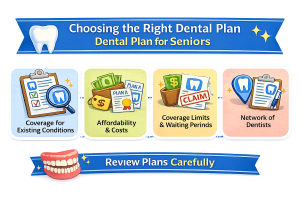
When exploring dental insurance options, focus on your specific requirements to find a plan that fits your needs. Start by assessing the type of dental care you or your family frequently require. If regular preventive services such as cleanings and check-ups are a priority, ensure the plan covers these without extensive waiting periods.

Look for plans that detail both emergency care and routine services, as these factors directly influence monthly costs and overall insurance coverage. If major procedures like crowns or implants might be in your future, a comprehensive plan that balances coverage and costs becomes essential.

Understanding the various types of insurance plans can simplify your decision. PPO dental insurance plans, for instance, offer flexibility in choosing dentists but may come with different costs and levels of coverage compared to more traditional HMOs. Consider how much you’re willing to pay out-of-pocket for procedures, and look into what percentage of each service the plan covers.

It’s also wise to review the insurance provider’s network to see if your preferred dental practitioners are included, as choosing out-of-network care can lead to higher costs.

Cost is a critical factor, but it shouldn’t be the sole determinant of choosing a dental insurance plan. Evaluate the premium, deductible, and out-of-pocket maximums. These costs influence not just what you pay monthly, but also your financial responsibility throughout the year.

Comparing insurance quotes from different companies can illuminate the cost variances based on your age, location, and expected dental care needs. This comparison is crucial, especially if you’re concerned about increasing dental care costs, as it provides clarity on potential savings across various plan options.

Ultimately, finding the best dental insurance involves a balance between coverage needs and financial capacity. Utilize trusted educational platforms to review plan details and receive personalized recommendations.

These guidelines can aid in navigating the complex insurance landscape, ensuring that you secure a dental plan that not only aligns with your current requirements but is flexible enough to accommodate future dental care needs. Exploring options by entering your ZIP code can reveal plans tailored to your regional offerings, helping you make a decision that supports both your dental wellness and budget.

Understanding monthly dental insurance costs helps in making informed decisions. Costs can vary widely based on coverage, location, and individual needs. Plans might cover preventive care like cleanings, while others extend to fillings or even dentures.

Exploring options specific to your area ensures you find a plan that meets your dental health needs and budget. Comparing benefits helps identify what works best for you. Enter your ZIP code on our website to explore plans available in your region. By doing so, you stay informed about the costs and coverage options that can support your dental health journey.

Compare Dental Plans

Frequently Asked Questions

What factors influence the cost of dental insurance for seniors?

Several factors can affect the cost of dental insurance for seniors, such as the type of insurance plan, the coverage level, and geographical location. Age also plays a role, as increased dental care needs may lead to higher premiums. By understanding these aspects, seniors can better anticipate costs.

What types of dental services are typically covered by insurance plans?

Dental insurance plans typically cover preventive services like cleanings and check-ups. Coverage for basic services such as fillings can also be included, while major services like crowns, bridges, and dentures may be covered at a higher out-of-pocket cost. Specific coverage details can vary between plans.

How do PPO dental insurance plans differ from other plans?

PPO dental plans offer more flexibility in choosing dentists and using out-of-network providers, but this flexibility often comes with higher premiums compared to more restrictive plans like HMOs. Each plan type offers unique benefits that may align differently with individual dental care needs.

Why are there waiting periods for certain dental procedures in insurance plans?

Waiting periods are common for major dental procedures to prevent individuals from enrolling in a plan solely to receive expensive treatments and then discontinuing coverage. Waiting periods help manage costs and may vary based on the insurance provider and the type of procedure.

How can I find dental insurance plans available in my area?

You can explore dental insurance options by entering your ZIP code on Dentalinsuranceforsenior.org. This will help you find plans tailored to your regional offerings, allowing for comparisons of coverage and costs to select the plan that best meets your dental health needs.

Have Questions?

Speak with a licensed insurance agent

1-855-425-2095

TTY users 711

Mon-Fri: 8am-9pm ET

Find & Compare Plans Online

Speak with a licensed insurance agent

1-855-425-2095TTY 711

Mon-Fri: 8am-9pm ET

ZRN Health & Financial Services, LLC, a Texas limited liability company