Understanding Delta Dental Copayments

Dental copayments can be confusing, but understanding them helps manage your dental expenses. If you have a dental plan with Delta Dental, knowing what a copayment is and how it works is essential.

This page explains dental copayments so you can better plan for treatment costs. We’ll explore how copayments affect out-of-pocket expenses and what you might expect to pay for services like check-ups or fillings.

This guide aims to simplify dental insurance terms, helping you feel informed and confident about your dental care decisions.

Key Highlights

  • Dental copayments are fixed amounts you pay for dental visits or procedures.
  • Delta Dental offers extensive plans with clear copayment structures, aiding in cost predictability.
  • Using Delta Dental’s estimator tools can help you anticipate out-of-pocket expenses.
  • Both individual and group dental plans have distinct benefits and potential cost differences.
  • Evaluating Delta Dental plans based on your needs ensures informed, cost-effective dental care choices.

Compare Dental Plans

Understanding Dental Copayments

Dental copayments play a crucial role in how you manage your dental care costs. A copayment, or copay, is a set dollar amount you are required to pay your dentist for certain services.

It’s a part of your dental insurance that helps share the costs between you and the insurance company. When utilizing plans like Delta Dental, understanding these copayments can simplify budgeting for dental treatments.

Maintaining awareness of copays ensures you can distinguish between what the insurance covers and what you must contribute. This section clarifies the concept and the role of copayments in dental plans.

What is a Dental Copay?

A dental copay, formally known as a copayment, is a preset amount you are required to pay for each dental visit or specific procedure. This copay is a fundamental feature of many dental insurance plans, including Delta Dental.

It’s designed to make dental care more predictable and affordable. When you visit your dentist for services like cleanings, exams, fillings, or more specialized care, this copay comes into play.

Essentially, a dental copay acts as your share of the service cost, while your insurance covers the larger portion. For example, if a service costs $100 and your copay is $20, you’ll pay the $20 at your dentist’s office, and insurance might cover the rest.

This helps prevent unexpected large bills, making dental care costs clearer and more manageable. It’s crucial to understand each plan’s specifics, as copayment amounts and covered services can vary.

These nuances are vital in understanding how your dental benefits work and how to optimize insurance coverage for your dental health needs.

Understanding Dental Copayments

Delta Dental: How Does It Work?

Delta Dental aims to simplify your dental experience by providing extensive dental plans. Understanding how these plans function helps you make informed decisions.

As the primary carrier pays a significant part of your dental expenses, knowing your copayment (copay) responsibilities is crucial. From preventive services to major treatments, Delta Dental ensures you can pay your dentist with ease and confidence.

Through their network, account management, and estimator tools, members can anticipate costs and optimize benefits for treatments. Exploring the plan options and resources available makes managing dental expenses simpler and more predictable.

Exploring Delta Dental Plans

Delta Dental offers a variety of dental plans designed to fit different needs and budgets. As one of the largest and most well-connected dental networks, Delta ensures members can access a broad array of services.

Plans are structured to cover dental treatments ranging from basic checkups to more advanced procedures like crowns and dentures. Understanding which services each plan covers can enhance your dental benefits.

Whether you’re looking into an individual or a family plan, Delta Dental provides options that cater to preventive services and major treatments alike, ensuring a balance between cost and coverage.

When exploring a Delta Dental plan, reviewing the resources they offer is essential. The network of Delta-affiliated dentists means you benefit from negotiated rates, making dental care more affordable.

Additionally, tools like the Delta Dental estimator and account access streamline your understanding of potential costs for specific services. Members have round-the-clock access to resources that explain benefits, estimate costs, and provide plan details, enabling informed decisions.

This transparency fosters confidence in knowing exactly how much treatments might cost and what your financial responsibility will be.

Delta Dental’s commitment to service ensures that members are well-equipped to handle their dental health needs. By offering comprehensive dental plans, clear copayment (copay) guidelines, and supportive online tools, Delta aims to make dental treatments straightforward and manageable.

Their diverse plan options mean you can easily find a plan suited to your specific needs, backed by a network aimed at delivering quality care. Understanding how these plans work helps in navigating dental copays and ensures you maximize the coverage of your dental insurance.

The Cost of Dental Care

The Cost of Dental Care

Navigating the cost of dental care can often feel overwhelming, especially when attempting to understand how various elements like copayments factor into the overall costs. Delta Dental streamlines this process by providing transparency about their costs.

By separating what the insurance covers from your copay responsibilities, they help make financial planning for dental services straightforward. Knowing how to leverage tools like the Delta Dental estimator can further alleviate financial stress by giving accurate cost estimates.

Let’s explore how copays specifically influence your dental plan’s cost structure, ensuring you make informed decisions about your dental health expenses.

How Copay Affects Your Dental Plan

The role of a copayment, or copay, is pivotal in shaping your dental plan’s financial landscape. Essentially, it represents the set dollar amount you are required to pay your dentist per visit or treatment, influencing your overall dental care cost.

For many, understanding this aspect clarifies how dental insurance works, easing the process of budgeting for dental care. In Delta Dental plans, for instance, knowing your copay helps in predicting out-of-pocket expenses with accuracy.

This understanding not only helps in comparing different dental plan options but also in assessing which services are more affordable under your current plan. Delta Dental’s copayment structure is designed to balance cost-sharing between you and the insurance company, often covering the larger portion of dental services.

Yet, by knowing how copays apply to treatments, such as cleanings or fillings, you can better estimate your expenses using tools like the Delta Dental estimator. This ensures transparency in potential costs before scheduling an appointment.

Additionally, being mindful of your dental plan rules concerning copays can lead to more informed discussions with your dentist, helping you make the most of your benefits. Accessing resources and information about your specific plan allows more control over your dental health choices, ensuring financial ease and confidence.

Find & Compare Plans Online

Speak with a licensed insurance agent

1-855-425-2095TTY 711

Mon-Fri: 8am-9pm ET

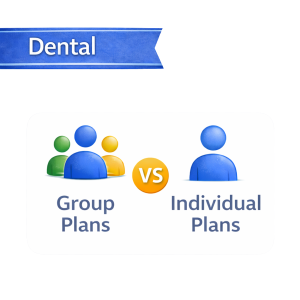
Comparing Individual Dental and Group Plans

When it comes to choosing dental insurance, understanding the differences between individual dental plans and group dental plans is essential. Both options offer distinct advantages, especially for adults and caregivers exploring coverage choices.

With Delta Dental as a popular provider, it’s crucial to delve into how plans differ and what they mean for you. Knowing whether a plan accommodates your dental needs and budget will help you decide if an individual plan or its group counterpart is more suitable.

This section examines the key aspects of decision-making.

Choosing the Right Dental Plan for You

Picking the right dental plan involves more than just assessing your current dental health needs; it requires considering your financial situation and long-term goals. Individual dental plans, often preferred by those seeking coverage without employment benefits, offer flexibility and autonomy.

With Delta Dental’s extensive network, you gain access to a wide array of providers. That allows you to compare services and cost estimates easily. A premier Delta plan might offer comprehensive benefits, including preventive services, checkups, or major treatments like crowns and dentures.

Conversely, group plans, which are typically provided by employers or organizations, might offer lower premiums due to collective bargaining. These plans can include members of businesses or other entities, granting access to robust resources shared across the network.

Exploring Delta Dental’s group options could be advantageous if your employer offers such benefits, potentially reducing out-of-pocket costs and making copayments predictable. A set dollar amount you’re required to cover, often more controlled than with individual plans, can balance the account across services.

Additionally, tools like the Delta Dental estimator provide clarity, ensuring that both individual and group plans align with financial expectations.

Ultimately, the choice between individual and group dental plans depends on factors like coverage needs, budget constraints, and available resources. Understanding each plan’s specifics will guide you in making the optimal choice. Use Delta Dental’s available online tools and resources to explore services and estimate costs.

By reviewing deductibles and copays, you create a balanced approach to your oral health care. Whether part of a network or on your own, securing the right insurance will promote transparency and financial confidence.

Comparing Individual Dental and Group Plans

Dental Benefits and Limitations

Dental benefits are designed to make necessary care affordable, but each dental plan, including Delta Dental, comes with its own set of limitations and costs. Understanding these benefits, along with the potential financial responsibilities such as copayments and deductibles, ensures you are fully prepared when seeking treatment.

Services included in your plan can vary, affecting the set dollar amount you are required to pay your dentist. This section delves into how included services match up with costs and limitations, helping you navigate your dental care needs confidently.


Service TypeExample ProceduresTypical CoveragePotential Out-of-Pocket Costs
Preventive CareCleanings, X-rays, Exams100% CoverageNo Cost or Minimal Fees
Basic CareFillings, Root Canals, Simple Extractions70-80% Coverage20-30% of Procedure Costs
Complex CareCrowns, Bridges, Dentures50% Coverage50% of Procedure Costs
OrthodonticsBraces50% Coverage (often with age limits)Significant Cost, Plans May Have Lifetime Maximums


This table provides a clear overview of dental service types, illustrating how they align with potential coverage and out-of-pocket costs, aiding in dental care planning.

Understanding Included Services and Costs

Navigating dental insurance can feel daunting, especially when it comes to understanding the scope of included services and potential costs. Typically, dental insurance plans, like those offered by Delta Dental, encompass a range of services from basic preventive care to more extensive treatments.

With preventive services, the aim is usually to keep your dental health in check, often with lower costs involved, such as minimal copays or even full coverage, depending on your plan. However, when it comes to more complex treatments, such as crowns, dentures, or oral surgeries, the costs can escalate, and limitations may apply.

Delta Dental plans often outline which services are covered profoundly, making it clear how your dental benefits can be utilized. It’s essential to understand that the set dollar amount you are required to pay your dentist, or your copayment, directly correlates to service type and plan specifics.

While some plans may cover a larger portion of the treatment costs, others might require higher out-of-pocket expenses, especially if the service goes beyond basic care. For example, fillings might have a straightforward, low copay, while restorative or cosmetic procedures might involve higher costs.

It’s crucial to evaluate your needs against the included services in your delta dental plan, ensuring you’re not caught off guard by unexpected costs. Leveraging tools like the Delta Dental network estimator not only helps in understanding potential out-of-pocket expenses but also in assessing overall treatment needs more accurately.

Such information empowers you to proactively manage dental care costs and optimize benefits, aligning your oral health strategies with financial resources.

Dental Benefits and Limitations

Managing Dental Expenses

Covering the costs associated with dental care can be challenging, but understanding the intricacies of dental expenses helps. Dental copayments represent a set dollar amount you are required to pay to your dentist for specific procedures within your Delta Dental plan.

By dissecting these elements, such as estimating costs through tools like Delta Dental estimator, individuals can plan financially and anticipate expenses. Knowing how to manage costs effectively not only involves focusing on copayments but also exploring additional strategies within your plan to maximize your dental benefits.

Tips for Keeping Your Cost Low

To effectively manage dental expenses, it’s essential to become familiar with your insurance plan and its benefits. One practical approach is leveraging Delta Dental’s estimator tools to gain insight into potential out-of-pocket costs for various services.

These estimators can project expenses for preventive services, like check-ups, as well as major treatments like crowns or dentures, making it easier to budget for dental care.

Additionally, focusing on routine maintenance and preventive care minimizes the need for extensive procedures, thus reducing the overall costs you might incur over time.

Another key strategy is understanding copayment structures within your plan. A copayment, or copay, is the preset amount you are required to pay your dentist when receiving specific treatments.

Recognizing these copayment patterns allows you to predict expenses better, ensuring financial preparedness. For instance, regular visits and timely interventions can prevent severe dental issues, thereby diminishing the need for expensive treatments that might require a larger portion of your financial resources.

Moreover, utilizing resources provided by Delta Dental, such as online account management, can enhance your awareness of what each visit might entail cost-wise. Engaging with these resources ensures you’re making the most of available benefits while managing expenses effectively.

Lastly, consider participating in dental plans that suit your specific needs, whether individual or group policies, as these choices significantly impact cost management. By taking these steps, you achieve a balanced approach to dental care expenses, leveraging your dental insurance fully and maintaining financial stability.

To further aid in managing dental costs effectively, consider implementing these additional strategies for optimal results:

  • Investigate various dental insurance plans to find one that caters to your specific healthcare needs.
  • Schedule regular dental check-ups to catch potential issues early and avoid costly treatments later.
  • Take advantage of any wellness discounts offered by your dental plan to reduce expenses.
  • Use flexible spending accounts (FSAs) or health savings accounts (HSAs) to pay for dental expenses tax-free.
  • Practice good oral hygiene at home to lessen the likelihood of needing expensive dental procedures.
  • Compare costs for treatments from different providers to ensure you’re getting the best financial deal.
  • Discuss treatment plans with your dentist to explore affordable options without compromising on care quality.


These proactive measures can lead to significant savings while maintaining oral health effectively.

Managing Dental Expenses

Concluding Thoughts on Dental Insurance

Navigating the world of dental insurance, particularly through Delta Dental, involves understanding copayments and how they impact your overall costs. It’s essential to recognize the importance of copayments and other out-of-pocket expenses in making dental care affordable and predictable.

By understanding your dental plan, network, and resources, such as the Delta Dental estimator, you can maximize benefits and services. This knowledge empowers you to make informed decisions about treatment, balancing coverage and costs.

Being well-informed offers assurance and helps you manage dental expenses effectively.

Next Steps to Find the Best Fit

Finding the right dental insurance plan requires careful evaluation of several factors. Start by assessing your current oral health needs and considering how they might evolve.

For instance, if regular cleanings or preventive care are your primary concern, and you foresee only minimal treatment needs, consider a plan that offers strong coverage in those areas.

Delta Dental provides a variety of plans, including network options that feature negotiated rates, which can reduce the set dollar amount you are required to pay your dentist, thereby minimizing your copayment burden.

Utilizing network dentists can significantly balance costs, making plans more affordable.

For those looking into more comprehensive coverage, such as for crowns or oral treatments, it’s essential to understand the limitations and benefits of different plans. Checking resources offered by Delta Dental can provide clarity on how various plans handle advanced treatments.

Make use of the Delta Dental estimator and online account tools to predict expenses, ensuring you don’t face unexpected costs. These resources help in planning and keep oral health decisions informed.

This preparation is vital as costs and coverage vary not just by plan type, but also by location.

If you’re transitioning from an employer-based plan to an individual dental plan, research is key. Understanding how these plans differ, such as the range of services and cost of copayments, will guide your choice.

Whether the flexibility of an individual plan or the collective benefits of a group plan suits you better, the right choice depends on personal and financial needs. Engaging with Delta Dental’s resources ensures you are well-informed about what each plan offers.

Ultimately, entering your ZIP code on dentalinsuranceforsenior.org can provide localized information, aiding in finding a dental insurance option tailored to your needs.

Understanding Delta Dental copayments can help you manage dental expenses effectively. Remember, copayments vary by plan and service type, so reviewing your plan details is essential.

Preventive care may have lower copayments, while more complex treatments could require higher costs. Comparing plans based on your specific dental needs can ensure you’re making informed choices.

Enter your ZIP code on our site to explore available dental insurance plans in your area. Remember, coverage and costs differ based on location.

Explore your options at Dentalinsuranceforsenior.org to make the most informed decision for your dental health.

Compare Dental Plans

Frequently Asked Questions

What is a dental copayment?

A dental copayment, or copay, is a set dollar amount you are required to pay your dentist for specific dental visits or procedures.

For example, if a service costs $100 and your copay is $20, you’ll pay $20, and your insurance may cover the remaining $80.

How do dental copayments impact out-of-pocket expenses?

Copayments can help manage dental expenses by covering a portion of the total cost, making dental care costs more predictable.

How can I find out my copayment amounts with Delta Dental?

Using Delta Dental’s estimator tools and reviewing your plan details can help you anticipate potential copayments for different services.

What services might have different copayment amounts?

Preventive services typically have lower copayments compared to more complex treatments like crowns or dentures, which might require higher costs.

How do individual and group dental plans differ in terms of copayments?

Group dental plans often have negotiated lower copayments due to collective bargaining, whereas individual plans may offer more flexibility in coverage.

Have Questions?

Speak with a licensed insurance agent

1-855-425-2095

TTY users 711

Mon-Fri: 8am-9pm ET

Find & Compare Plans Online

Speak with a licensed insurance agent

1-855-425-2095TTY 711

Mon-Fri: 8am-9pm ET

ZRN Health & Financial Services, LLC, a Texas limited liability company